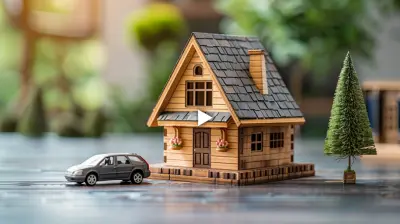
A Guide to Choosing the Right Gate for Your Front Yard
10 June 2026
Your front yard gate is more than just an entryway—it's the first impression people get of your home. It’s like the handshake of your house, setting the tone for what’s inside. Whether you want to boost security, enhance curb appeal, or just keep the neighborhood pets from making themselves at home in your yard, picking the right gate is a decision that requires some thought.
But how do you know which gate is right for your front yard? With so many options in materials, styles, and features, it can quickly get overwhelming. Don’t worry, we’ve got you covered! This guide will walk you through everything you need to consider when choosing the perfect front yard gate.
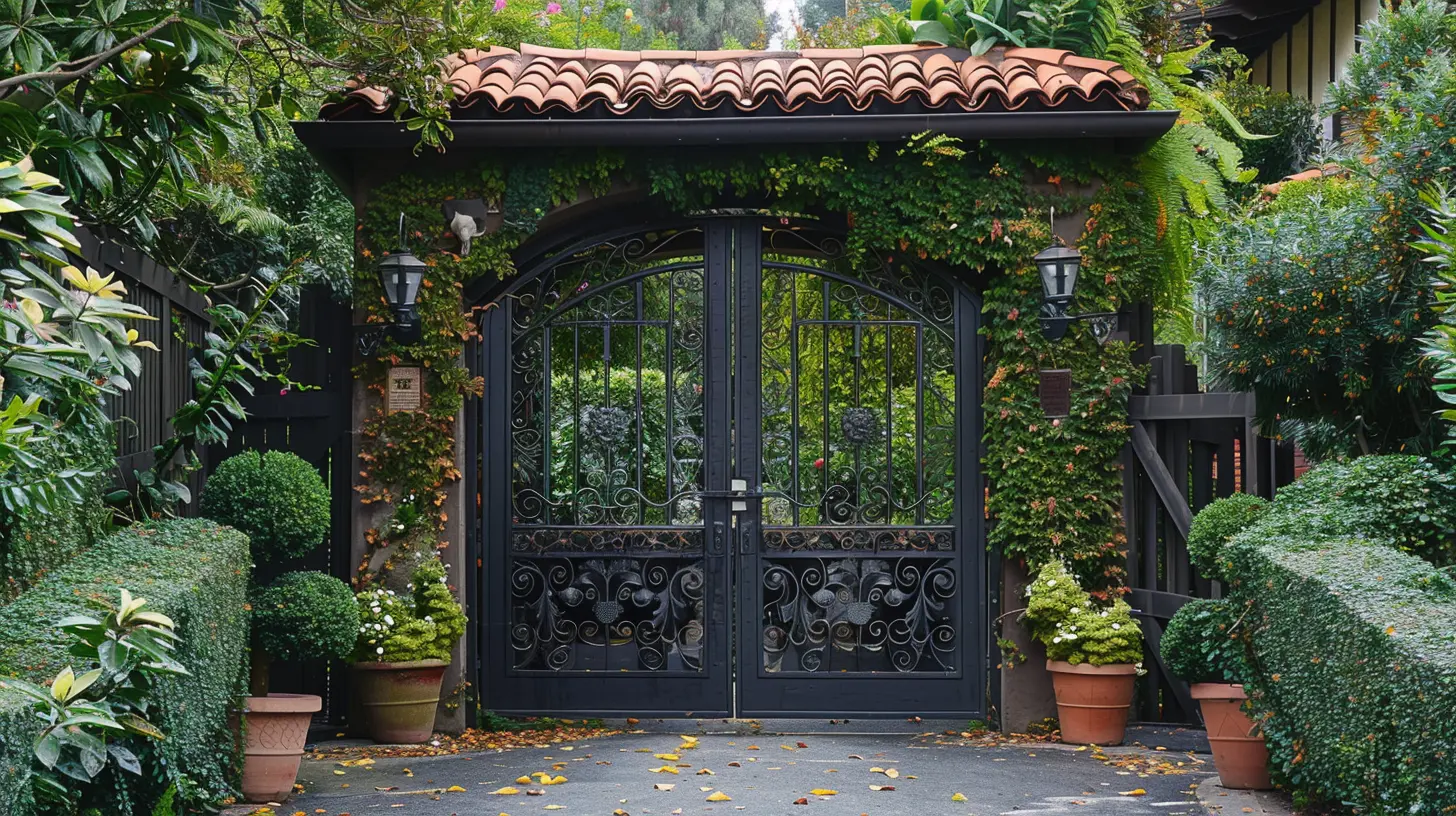
Why Your Front Yard Gate Matters
Before we dive into the nitty-gritty details, let’s talk about why a front yard gate is a big deal.- Security: A gate acts as a first line of defense, deterring trespassers and keeping unwanted visitors out.
- Privacy: If you prefer to keep prying eyes away, the right gate can help maintain your home's privacy.
- Curb Appeal: The right design can dramatically enhance the look of your property, increasing its value.
- Safety: If you have kids or pets, a sturdy gate prevents them from wandering into the street.
Clearly, a gate isn’t just a decorative element—it serves multiple purposes. Now, let’s move on to finding the perfect one for your needs.
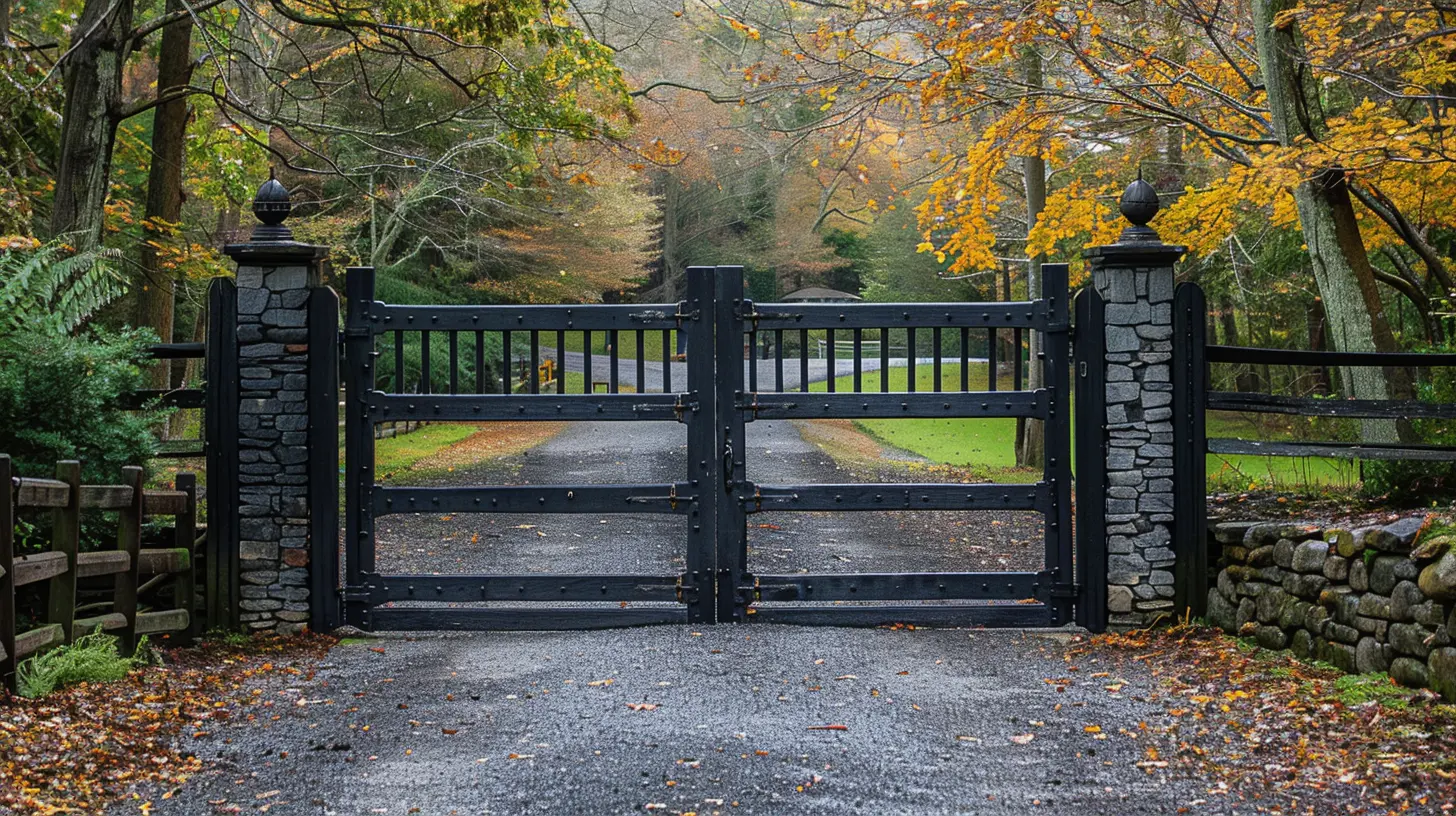
Factors to Consider When Choosing a Front Yard Gate
1. Material Options: The Foundation of Your Gate
The material you choose determines the gate’s durability, maintenance needs, and overall appearance. Here are some of the most popular choices:Wood: A Classic and Warm Aesthetic
Wooden gates provide a timeless and natural look. They pair beautifully with traditional and rustic-style homes. However, they require regular maintenance, like staining or sealing, to prevent warping, rot, and pest damage.✅ Pros: Elegant, customizable, boosts curb appeal
❌ Cons: Requires maintenance, susceptible to weather damage
Metal: Strong and Secure
Metal gates (such as wrought iron, steel, or aluminum) are excellent for security and durability. Wrought iron offers a classic, elegant appearance, while aluminum is lightweight and rust-resistant.✅ Pros: Long-lasting, low maintenance, strong security
❌ Cons: Can be expensive, some metals can rust if not coated properly
Vinyl: Low Maintenance and Modern
If you love the look of a wooden gate but hate maintenance, vinyl is a great alternative. It’s resistant to weather, pests, and rot.✅ Pros: Affordable, low-maintenance, weather-resistant
❌ Cons: Limited color choices, not as sturdy as wood or metal
Composite: The Best of Both Worlds
Composite gates blend wood and plastic, offering the aesthetics of wood with the durability of synthetic materials.✅ Pros: Durable, weather-resistant, little maintenance
❌ Cons: Can be more expensive than wood or vinyl
2. Gate Style: Finding the Right Fit
The style of the gate should complement the architectural design of your home. Let’s look at a few popular styles:- Swing Gates – These are the most common, opening inwards or outwards like a door. Great for traditional-style homes.
- Sliding Gates – Perfect for properties with limited space, these move horizontally. Ideal for modern aesthetics.
- Picket Gates – A charming option, adding a welcoming touch to cottage-style homes.
- Privacy Gates – Solid-panel gates block the view for ultimate privacy and security.
3. Automation vs. Manual: Convenience or Tradition?
Would you rather hop out of your car to open the gate, or do you want the luxury of an automatic system?- Manual Gates – More affordable and reliable, but require physical effort.
- Automatic Gates – Convenient and secure, but typically pricier and require regular maintenance.
If you opt for an automatic gate, consider features like remote control, keypad access, or even smartphone connectivity for modern convenience.
4. Height and Width: Choosing the Right Dimensions
The size of your gate plays a crucial role in both appearance and function.- For security, go with a taller gate (at least 6 feet).
- If aesthetics are your priority, a shorter gate (3-4 feet) might do the trick.
Also, think about how wide the gate needs to be. Will it just accommodate people walking through, or do you need space for a car? Driveway gates typically need to be at least 10-12 feet wide.
5. Security Features: Keeping Your Home Safe
If security is high on your list, look for features like:- Sturdy Locks – Opt for a high-quality deadbolt or keyless entry system.
- Motion Sensors and Cameras – Keep an eye on who comes in and out.
- Spiked or Decorative Tops – Adds an extra layer of deterrence for intruders.
6. Matching the Overall Landscape and Fence
A mismatched gate can stick out like a sore thumb. Make sure your gate complements your fence and landscape. If you have a wooden fence, a rustic wooden gate works best. For modern iron fencing, a sleek metal gate would look seamless.7. Budget: What’s the Cost of a Good Gate?
Your budget will play a huge role in your decision. Basic wooden or vinyl gates can start as low as $200-$500, while high-end wrought iron or automatic gates can range from $2,000 to $10,000 or more.Consider not just the initial cost but also long-term maintenance. A cheap gate may seem like a bargain now, but if it needs constant upkeep, it might cost you more in the long run.

Installation: DIY or Hire a Professional?
Should you install the gate yourself or bring in a pro?✅ DIY Installation: If you’re handy with tools and it’s a simple gate, you can save money by doing it yourself.
✅ Professional Installation: For automatic gates, customized designs, or anything involving electrical work, hiring a professional is the way to go.
While DIY saves money, a poorly installed gate can become a hassle later. If in doubt, let the pros handle it.

Maintenance Tips to Keep Your Gate in Top Shape
Once you’ve chosen the perfect gate, regular maintenance will keep it looking and functioning great.- Wooden Gates: Apply weatherproof sealant every year.
- Metal Gates: Check for rust spots and repaint when necessary.
- Vinyl Gates: Simply wash with soap and water occasionally.
- Automatic Gates: Keep the motor and sensors clean and well-lubricated.
Final Thoughts
Choosing the right front yard gate isn’t just about looks—it’s about finding the perfect balance between security, aesthetics, and practicality. Whether you prefer the warmth of wood, the durability of metal, or the convenience of automation, there’s a gate out there that fits your style and needs.Take your time, consider all factors, and make an informed decision. After all, a great gate not only protects your home but also adds charm and character, making every entrance and exit a little more special.
all images in this post were generated using AI tools
Category:
Curb AppealAuthor:

Cynthia Wilkins
Discussion
rate this article
1 comments
Meredith Yates
Choosing the right gate is more than just a decision; it's a first impression, a hint of secrets hidden behind the walls of your home... What lies beyond?
June 27, 2026 at 4:49 AM
Cynthia Wilkins
Absolutely! The right gate sets the tone for your home and invites curiosity about what's inside. It's an important choice that reflects your style and welcomes guests.