Addressing Parking and Storage Spaces in Lease Agreements
22 May 2026
When signing a lease, most tenants focus on rent, security deposits, and maintenance clauses. But what about parking and storage spaces? These two essentials often slip through the cracks—until an issue arises. Whether you're a landlord or a tenant, having clear terms for parking and storage can save you from a world of headaches later on.
Let’s dive into the nitty-gritty of lease agreements and how they should address parking and storage spaces properly.
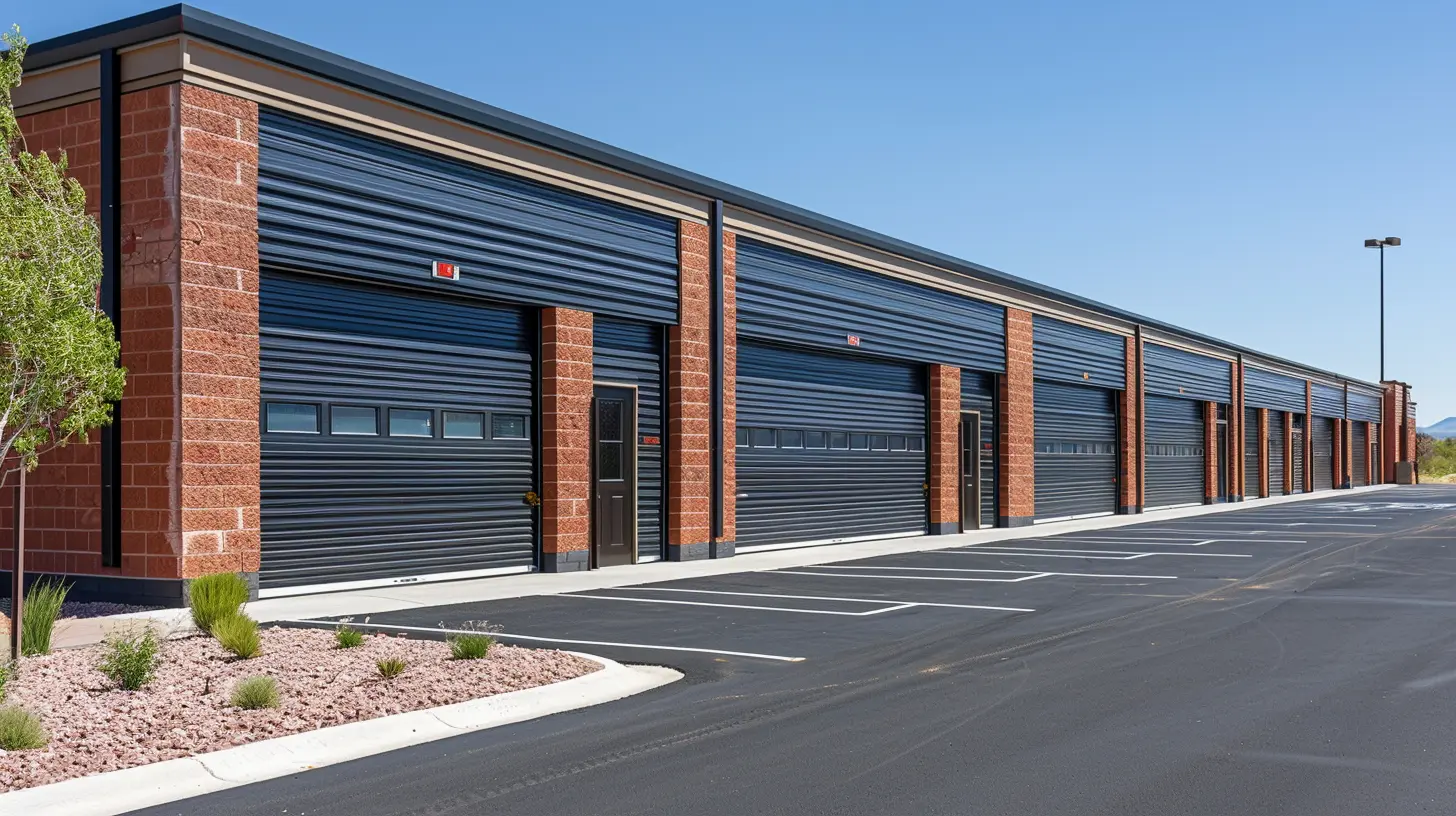
The Importance of Parking and Storage in Lease Agreements
Imagine moving into your new rental, only to find that parking is a daily nightmare and storage space is virtually nonexistent. Frustrating, right? Parking and storage are more than just minor conveniences—they can be deal-breakers.For tenants, these spaces provide security, convenience, and peace of mind. For landlords, well-defined clauses on these matters prevent disputes and ensure proper property management. If lease agreements fail to address these spaces explicitly, misunderstandings are bound to happen.

Common Lease Agreement Issues Related to Parking
Parking can be a major pain point if not addressed correctly in a lease agreement. Here are some common problems tenants and landlords face:1. Unspecified Parking Arrangements
Some leases are vague or completely silent on parking. Tenants move in assuming they can park in a certain spot, only to get ticketed or towed later. Always ensure the lease clearly states:- Whether parking is included or requires an extra fee
- The number of parking spaces assigned
- The exact location of the space
- Any restrictions on vehicle type or size
2. Limited Guest Parking
Ever had a friend over and returned to find their car towed? Some rental communities have strict guest parking policies, and tenants often assume visitors can park anywhere. If the lease doesn’t specify guest parking rules, this can quickly turn into a frustrating situation.3. Shared or Unassigned Parking Spaces
Some properties operate on a “first-come, first-served” basis when it comes to parking. If this isn’t clarified in the lease, tenants expecting a designated parking spot may constantly struggle to find a space.4. Additional Fees for Parking
Many landlords charge extra for parking, and failing to disclose this upfront can lead to disputes. If an additional fee applies, the lease should state how much it costs and whether it's included in the rent or billed separately.
How to Properly Address Parking in Lease Agreements
A well-drafted lease should leave no room for ambiguity when it comes to parking. Here’s what landlords and tenants should ensure is included:1. Detailed Parking Terms
Clearly outline whether parking is included or if the tenant needs to pay an extra fee. If applicable, specify:- The exact parking space number
- Whether it’s covered, uncovered, or a garage spot
- Any restrictions (e.g., no oversized vehicles, no commercial vans)
2. Guest Parking Rules
If guest parking is available, the lease should address:- Where guests can park
- How long guests can leave their vehicles
- Whether a permit is required
- Any towing policies
3. Towing Policies
Nobody wants their car unexpectedly towed. The lease should state:- The circumstances under which a vehicle can be towed
- Who tows the vehicles (provide contact info if necessary)
- Whether tenants are responsible for towing fees
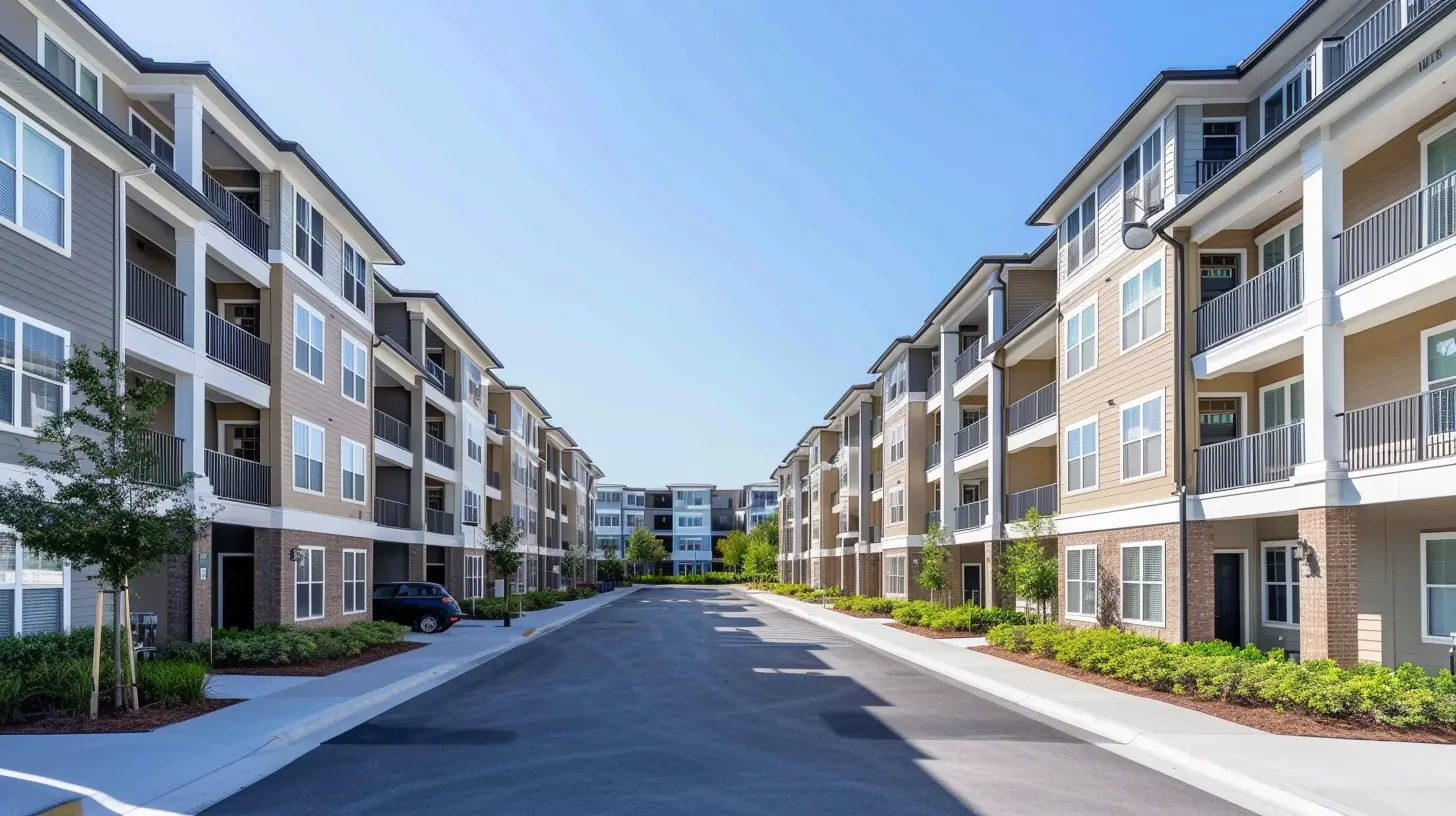
Common Storage Space Issues in Lease Agreements
Storage is another overlooked aspect of leasing, yet it plays a crucial role in how tenants use their space. Here are some common storage-related problems:1. Unclear Use of Storage Areas
Some properties provide storage spaces, but without clear rules, tenants might misuse them. Bikes, seasonal decorations, or personal belongings might be fine—but what about hazardous materials or bulky furniture?2. Limited Access to Storage Units
Tenants assume they have round-the-clock access to storage, only to discover there are time restrictions. If there are specific access hours, they should be clearly outlined in the lease.3. Responsibility for Theft or Damage
If someone’s stored belongings get stolen or damaged, who’s responsible? Many landlords include clauses stating they aren’t liable for lost or damaged items left in storage areas. If this isn't addressed in the lease, disputes can arise.4. Extra Fees for Storage Units
Some landlords provide additional storage spaces—but not for free. If tenants have to pay extra for storage, the lease should state the cost, payment terms, and any potential refunds if they move out early.How to Address Storage Spaces in a Lease Agreement
Like parking, storage clauses in lease agreements should be crystal clear. Here’s what landlords and tenants should ensure is included:1. Define the Storage Space
Does the unit come with storage? If so, specify:- The exact location of the storage area
- The size and type of storage unit
- Whether there are assigned or shared storage spaces
2. Clearly Stipulate Allowed and Prohibited Items
Define what can and can’t be stored. Common prohibitions include:- Flammable or hazardous materials
- Perishable food items
- Illegal substances
- Large appliances or furniture (if space is limited)
3. Clarify Liability for Theft or Damage
The lease should explicitly state whether the landlord is responsible for loss or damage. Most leases include disclaimers releasing the landlord from liability. Tenants might want to consider renters insurance to protect their belongings.4. State Any Storage Fees and Payment Terms
If there are additional fees, they should be outlined, along with payment deadlines and penalties for late payments.
Final Thoughts
Parking and storage spaces might seem like small details, but they can make a huge difference in a tenant’s living experience. A lease agreement should always be transparent about these aspects to prevent misunderstandings, disputes, and unexpected costs.For landlords, clearly defining parking and storage terms can protect against liability and tenant complaints. For tenants, understanding these details upfront saves time, money, and frustration.
Before signing a lease, always review these clauses carefully. If anything is unclear, ask questions and request revisions if necessary. A little attention now can prevent big problems later!
all images in this post were generated using AI tools
Category:
Lease AgreementsAuthor:

Cynthia Wilkins
Discussion
rate this article
1 comments
Andrea McLaury
In the dance of leases, parking and storage play their part, weaving convenience and ease into the tapestry of home and heart.
May 28, 2026 at 11:49 AM
Cynthia Wilkins
Absolutely, parking and storage are essential threads in the fabric of lease agreements, enhancing the overall living experience.