Data-Driven Strategies for Real Estate Risk Management
18 August 2026
Let’s face it — investing in real estate isn’t a walk in the park. Whether you're a seasoned investor, a property developer, or a rising real estate agent, risk is always lurking around the corner. We're talking market crashes, bad tenants, unsteady cash flow, economic shifts, or even natural disasters. Yep, real estate can be a gold mine… or a minefield.
Now, here’s the good news: we live in the age of data. And if you know how to harness that data, you can turn those risky guesses into calculated moves. That’s where data-driven strategies come into play. In today's post, we're diving deep into how data can be your secret weapon for real estate risk management. So grab a cup of coffee and let’s break it all down.
Why Risk Management in Real Estate Matters
Before we jump into the data side of things, let's talk about why risk management is a big deal in real estate.You wouldn’t buy a car without checking its history, right? Well, investing in a property without managing the risks is kind of like driving blindfolded. One wrong move, and boom — financial disaster. Risk management helps you:
- Protect your capital
- Make informed investment decisions
- Minimize losses
- Maximize long-term gains
- Sleep better at night!
Sounds like something worth paying attention to, right?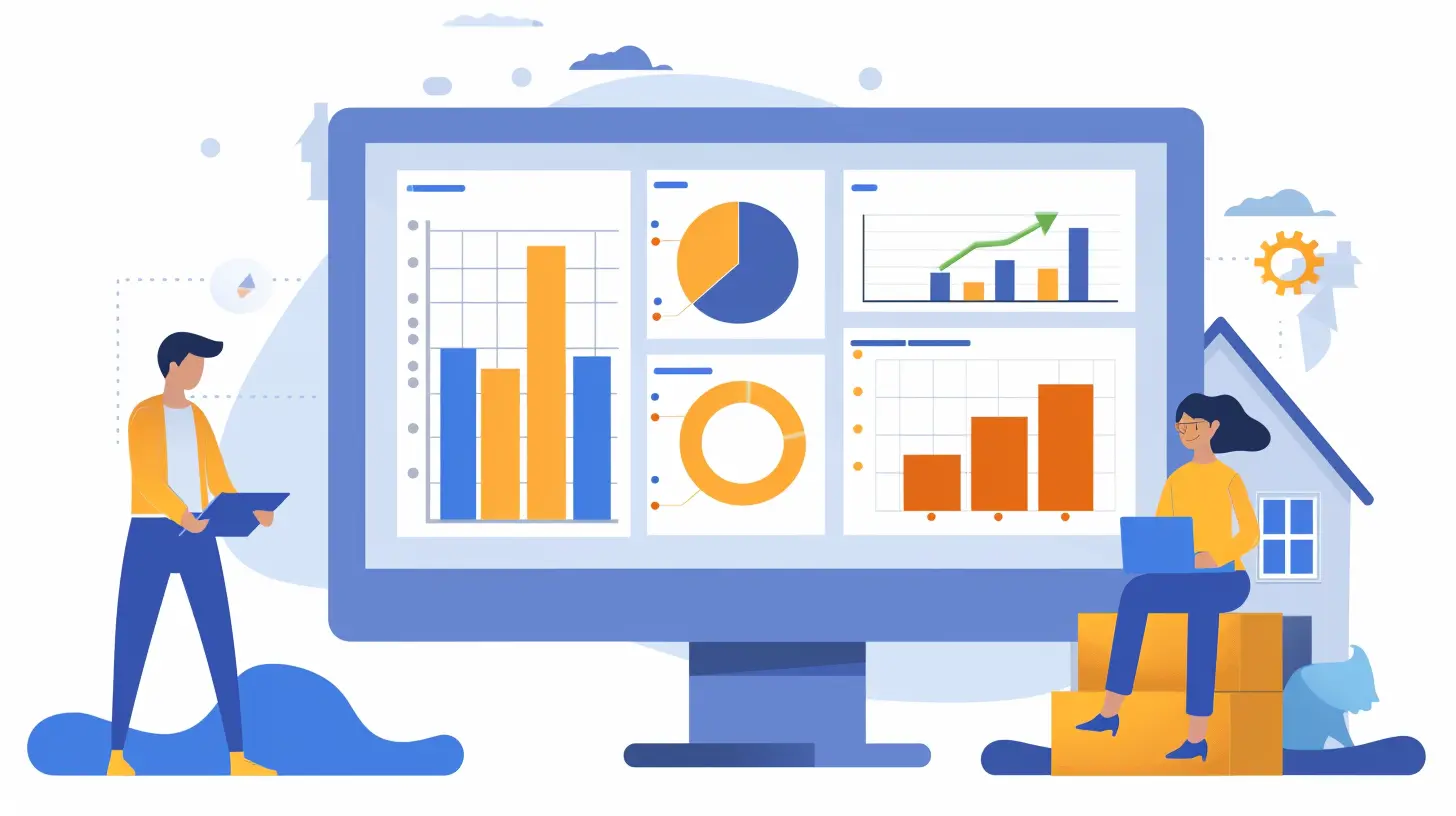
What Exactly Is a Data-Driven Strategy?
In simple terms, a data-driven strategy is about making decisions based on actual numbers and facts — not gut feelings or hearsay. It's using analytics, metrics, and historical trends to forecast risks and make smarter moves.Imagine you're playing poker and you know every player’s cards. That’s what having good data feels like.
So, how do you apply that superpower in real estate?
1. Using Predictive Analytics to Forecast Market Trends
This is where things get exciting! Predictive analytics uses past data to forecast future trends. It’s like having a crystal ball — only way more reliable.What Does It Involve?
- Analyzing property prices over time- Tracking economic indicators like job growth and interest rates
- Monitoring housing supply and demand
- Using machine learning algorithms to detect patterns
Let’s say you’re eyeing a rental property in a growing suburb. With predictive data, you can estimate how demand might rise in the next 3–5 years, how rental prices will trend, and what your ROI could look like. That’s way better than guessing based on a hunch.
How It Helps with Risk
You'll avoid investing in overheated markets or areas heading for a downturn. It also helps you time the market better — buy low, sell high.
2. Location Intelligence — Because Not All ZIP Codes Are Created Equal
Ever heard the phrase “location, location, location”? It’s a cliché because it’s true. But location intelligence takes it way beyond that.What Is Location Intelligence?
It's the process of analyzing geographic and demographic data to assess property risks and opportunities. Think:- Crime rates
- School quality
- Traffic patterns
- Noise pollution
- Natural disaster zones
- Local infrastructure plans
Real-Life Application
You might find a cheap property, but if it’s next to a landfill or in a flood zone, that’s a hidden risk. With geospatial data and heatmaps, you can see the full picture — not just the price tag.3. Credit and Tenant Risk Scoring
If you’re in the rental game, bad tenants can be your worst nightmare. Late payments? Property damage? Evictions?That’s where tenant scoring comes in handy.
What to Look at:
- Credit scores- Rental payment history
- Employment status
- Background checks
- References
Advanced platforms now use AI to score tenants based on risk. It’s not just about their past — it predicts how likely they are to pay rent on time and stick to the lease.
Why It Matters
The cost of one bad tenant can drain months of profit. But data helps you separate the fair players from the risky ones.4. Portfolio Diversification Backed by Data
You’ve probably heard this before: "Don’t put all your eggs in one basket." Well, in real estate, that means diversifying your investments — geographically and by asset class.But instead of guessing what markets are “hot,” data can show you where the growth is real and where the bubbles are about to burst.
Examples of Diversified Portfolios:
- Residential vs. Commercial- Urban markets vs. Suburban
- Multifamily vs. Single-family rentals
- Domestic vs. International properties
How Data Helps
Use tools like Tableau or Power BI to visualize your portfolio’s exposure. Want to see your rental vacancy rate across states? Done. Compare your ROI by property type? Easy.With that insight, you can pivot before things go south.
5. Stress Testing with Scenario Analysis
Think of this like a fire drill for your investments. Scenario analysis simulates different economic conditions — like a recession or a hike in interest rates — and shows you how your investments would perform.Key Scenarios to Analyze:
- Housing market crash- Inflation spike
- Interest rate hikes
- Property tax increases
- Tenant turnover surges
The Benefit?
You’ll know your risks before they become reality. That means you can build buffers (like cash reserves or insurance) to weather the storm.6. Real-Time Data Dashboards
Forget waiting for monthly reports. Real-time dashboards let you see your property performance right now — anywhere, anytime.What to Track:
- Occupancy rates- Rent collection
- Maintenance requests
- Profit margins
- Tenant satisfaction
Tools like AppFolio, Buildium, or even custom Google Data Studio dashboards can keep you in the loop 24/7.
Why It’s a Game-Changer
When you’re plugged into real-time data, you can make decisions faster — whether it’s adjusting rent, managing repairs, or addressing property performance drop-offs.7. Insurance and Disaster Risk Modeling
You can’t stop a hurricane or an earthquake. But you can prepare for the financial impact.How Data Plays a Role
- Mapping properties in high-risk zones- Estimating potential damage costs
- Analyzing historical claim data
- Estimating insurance premiums vs. losses
Some advanced insurance platforms use AI to personalize policies based on exact property specs and regional risks.
Why overpay for insurance you don’t need — or worse, underinsure a risk-prone asset?
8. Social Sentiment and Market Signals
Here’s a lesser-known — but super powerful — trick. Analyze social media and online sentiment to detect shifts in buyer behavior.Imagine spotting early signs of migration trends (like remote workers flocking to small towns) simply by tracking the types of conversations people are having online.
Tools to Use:
- Google Trends- Twitter sentiment analysis
- Online review sentiment dashboards
Combine it with demographic and economic data, and you’ve got a secret weapon for spotting emerging markets before the crowd does.
9. Compliance Monitoring and Regulatory Risk
Real estate isn’t just about buildings — it’s about laws, zoning rules, and tax regulations. And these can change overnight.Data-Based Compliance Tools Can:
- Track local and federal real estate laws- Alert you to zoning changes
- Monitor permit timelines
- Identify tax incentives you're missing out on
This reduces your legal exposure and helps you stay on top of changes that could affect your property plans.
10. Historical Data as a Teacher
Let’s wrap it up with something simple yet gold: history.The past leaves clues. Use historical trends to understand how your city or asset class reacts during bull and bear markets, pandemics, or policy changes.
Key Metrics to Study:
- Property value fluctuations over decades- Rent trends over economic cycles
- Vacancy rates by season or year
- Interest rates and their market impact
If you track these diligently, you’ll start seeing patterns — and that gives you an edge most investors don’t have.
Final Thoughts
In the game of real estate, there’s no such thing as risk-free. But that doesn’t mean you have to fly blind. Data-driven strategies are your compass, your map, and your radar.They help you see what others can’t. They make your investments smarter, your profits stronger, and your decisions bolder.
So if you’re still making gut calls or relying on outdated sources — stop. It’s time to upgrade to data-driven risk management, and trust me, your bank account will thank you.
Ready to make smarter, safer, and more profitable real estate decisions? The data is already out there — you just need to use it.
all images in this post were generated using AI tools
Category:
Real Estate AnalyticsAuthor:

Cynthia Wilkins