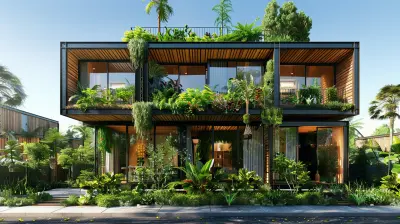
How Eco-Friendly Homes Are Attracting Millennial Buyers in 2026
27 April 2026
Let’s be real for a second: buying a home in 2026 feels a bit like trying to assemble IKEA furniture without the instructions—complicated, expensive, and you’re not entirely sure if you’ll end up with a bookshelf or a crying pile of particleboard. But here’s the twist: millennials, the generation that once swore off avocado toast to save for a down payment, are now rewriting the rulebook. And the star of this revolution? Eco-friendly homes.
You’ve probably noticed it too. Walk through any new development or scroll through Zillow, and you’ll see buzzwords like “net-zero,” “solar-ready,” and “passive house” popping up like wildflowers after a spring rain. But this isn’t just a trend—it’s a seismic shift. By 2026, millennials aren’t just interested in green homes; they’re obsessed with them. Why? Because these homes speak their language—literally and figuratively. They promise lower bills, a lighter conscience, and a way to stick it to the system without moving to a commune.
So, grab your reusable coffee cup, and let’s dive into why eco-friendly homes are the millennial darling of the real estate world in 2026. Spoiler alert: it’s not just about saving the planet. It’s about saving their sanity—and their wallets.
The Millennial Mindset: Why Green Isn’t Just a Color Anymore
Let’s start with a little pop psychology. Millennials—born roughly between 1981 and 1996—are the generation that grew up watching Captain Planet reruns, recycling their juice boxes, and being told that climate change was the boogeyman under the bed. Fast-forward to 2026, and that boogeyman is now paying rent in their backyard. Wildfires, floods, and heatwaves aren’t abstract concepts anymore; they’re headlines that hit close to home.But here’s the thing: millennials aren’t just scared—they’re pragmatic. They’ve seen the housing market crash, student loans balloon, and wages stagnate. So, when they look at a home, they’re not just asking, “Does it have a nice kitchen island?” They’re asking, “Will this house bankrupt me in ten years?” And that’s where eco-friendly features shine.
Think of an eco-home as a financial safety net with a conscience. Solar panels aren’t just about reducing carbon footprints; they’re about slashing electric bills by 50% or more. Energy-efficient windows aren’t just about keeping the planet cool; they’re about keeping your heating costs from giving you a panic attack. For millennials, every kilowatt saved is a dollar that can go toward—you guessed it—more avocado toast. (Kidding. Mostly.)
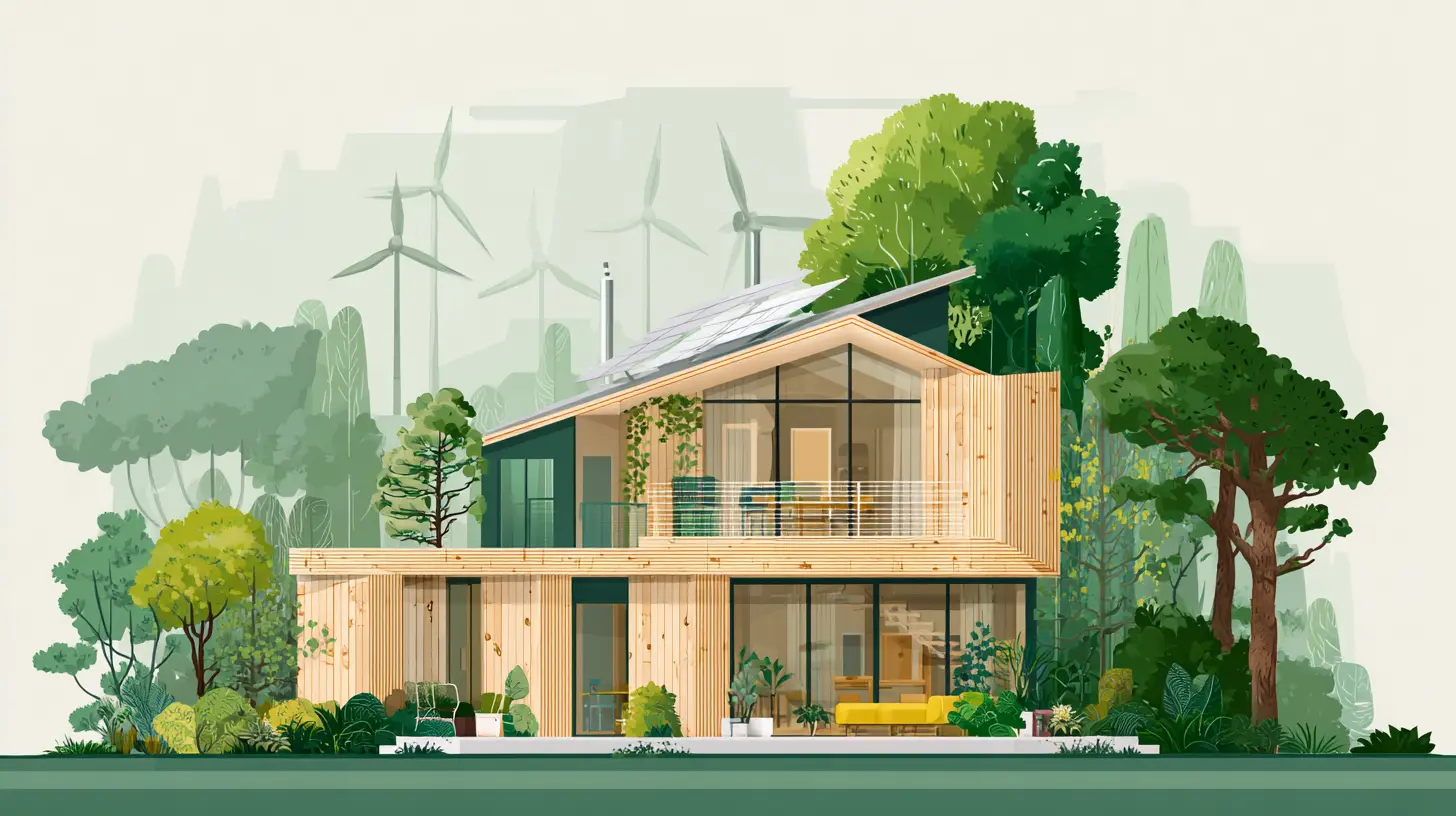
The Dollars and Sense of Going Green
Let’s talk money, because that’s what really gets the conversation flowing. In 2026, the average millennial homebuyer is staring down a mortgage that’s 30% higher than what their parents paid, adjusted for inflation. Ouch. So, when they see an eco-friendly home, they’re not just seeing a house—they’re seeing a long-term investment that pays dividends.Here’s a stat that’ll make you sit up: homes with solar panels sell for 4.1% more on average, according to recent data. But that’s just the tip of the iceberg. Millennials are also drawn to features like smart thermostats, greywater recycling systems, and high-performance insulation because they know the math works. A $10,000 solar installation might save $1,500 a year in energy costs—meaning it pays for itself in about seven years. After that? It’s pure profit. In a world where every dollar counts, that’s music to millennial ears.
But it’s not just about savings. It’s about value. Millennials have watched their parents get burned by McMansions with leaky roofs and sky-high utility bills. They’re not interested in a house that looks good on Instagram but bleeds money behind the scenes. Instead, they want a home that’s built like a Swiss bank vault—efficient, durable, and ready for the future.
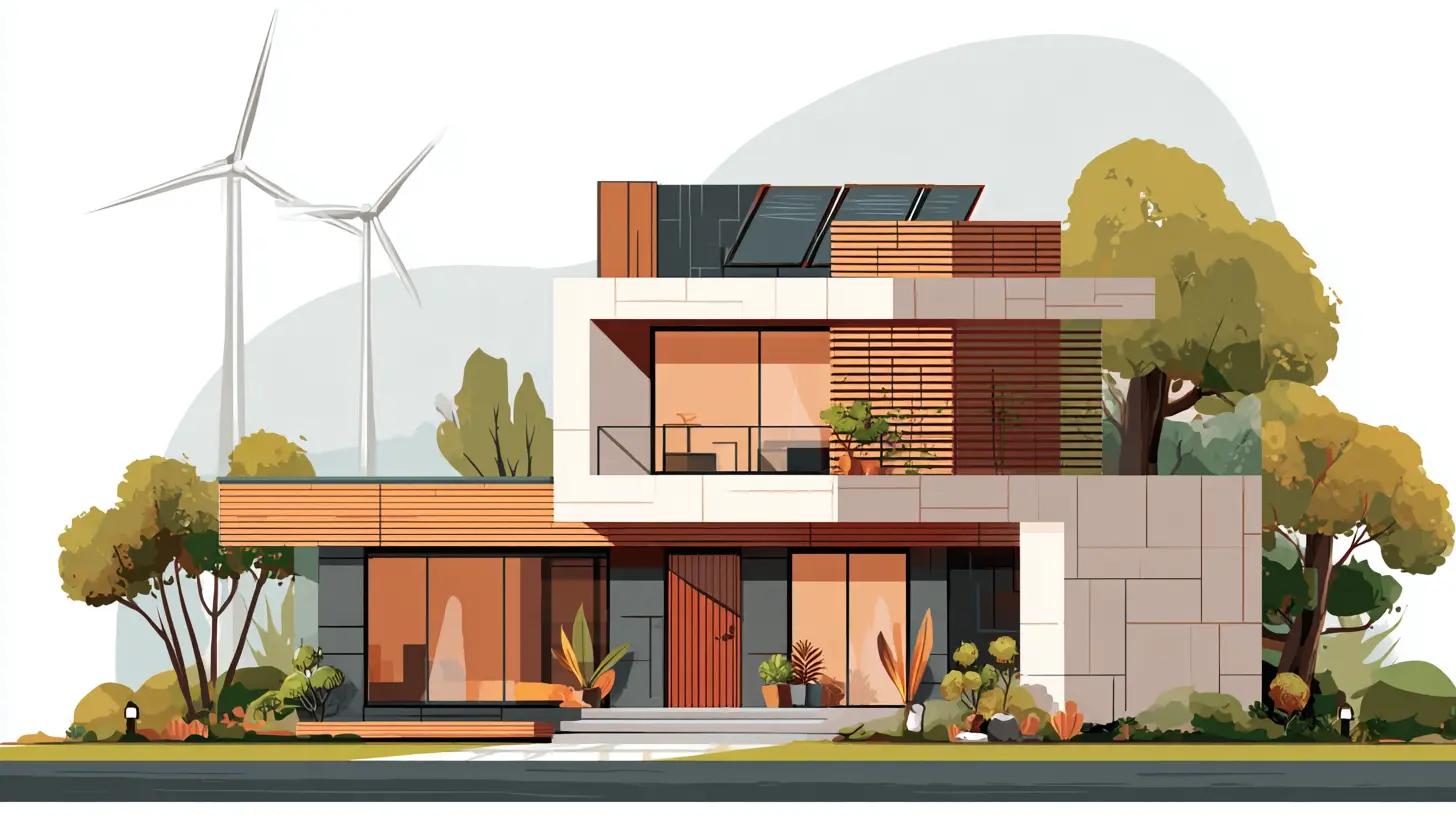
The Emotional Pull: Living With Purpose
Now, let’s get a little sappy. Because buying a home isn’t just a financial decision—it’s an emotional one. And for millennials, that emotion is often tied to purpose. Remember that scene in The Matrix where Neo chooses the red pill? That’s how millennials feel about eco-friendly homes. They’re choosing to opt out of a system that’s wrecking the planet and opting into one that feels more aligned with their values.I’m not saying every millennial is a tree-hugging activist (though some are). But I am saying that, for this generation, identity and consumption are deeply intertwined. Buying an eco-friendly home isn’t just about square footage; it’s about making a statement. It’s saying, “I care about my future, my kids’ future, and the planet’s future.” And in a world that often feels chaotic and out of control, that sense of agency is intoxicating.
Think of it like this: an eco-home is like a hug from the universe. It’s warm, secure, and makes you feel like you’re part of something bigger. And who doesn’t want that in 2026?
Tech-Savvy, Not Tree-Hugging: The Role of Smart Home Integration
Here’s where things get really interesting. Millennials are the most tech-savvy generation in history—they practically came out of the womb with a smartphone in their hand. So, it’s no surprise that they’re drawn to homes that blend green living with smart technology.Imagine walking into a house that knows you’re home before you even unlock the door. The thermostat adjusts to your preferred temperature, the lights dim to a cozy glow, and your electric vehicle starts charging from the solar panels on the roof. Sound like science fiction? In 2026, it’s reality. Eco-friendly homes are increasingly integrated with smart systems that optimize energy use in real-time.
Take the Nest thermostat, for example. It learns your schedule and adjusts the heating and cooling accordingly, saving you up to 12% on your energy bills. Or consider the rise of “energy management systems” that let you monitor your home’s power consumption from your phone. For millennials, this isn’t a luxury—it’s a necessity. They want control, transparency, and the ability to make data-driven decisions about their lives.
But here’s the kicker: these smart features aren’t just convenient; they’re addictive. Once you’ve experienced a home that practically thinks for itself, going back to a dumb house feels like using a flip phone in the age of the iPhone. And that’s exactly why eco-friendly homes are winning the millennial market.
Location, Location, Location (And Commute Times)
Let’s not forget the elephant in the room: location. Millennials have famously flocked to cities for years, drawn by walkability, nightlife, and job opportunities. But 2026 is seeing a shift. Remote work, which exploded during the pandemic, is now a permanent fixture for many. And with that shift comes a new set of priorities.Eco-friendly homes aren’t just popping up in the suburbs; they’re redefining what “location” means. Millennials are looking for homes that are close to public transit, bike lanes, and green spaces. They want to live in communities where they can walk to the grocery store, bike to work, and charge their EV at home. In other words, they want a location that aligns with their eco-conscious lifestyle.
And here’s the twist: they’re willing to pay a premium for it. Studies show that homes in walkable neighborhoods with access to green amenities command higher prices—and millennials are happy to foot the bill. Why? Because it’s not just about the house; it’s about the lifestyle. A home that’s close to a park, a farmers’ market, and a transit hub isn’t just convenient; it’s a statement of values.
The Resale Value Factor: Future-Proofing Your Investment
If there’s one thing millennials have learned from the 2008 housing crash, it’s that nothing is guaranteed. So, when they buy a home, they’re thinking about the future—not just their own, but the home’s resale value. And eco-friendly features are a goldmine in this department.Think of it like this: buying a conventional home in 2026 is like buying a flip phone in 2016. Sure, it works, but it’s quickly becoming obsolete. As energy costs rise and climate regulations tighten, homes without green features are going to lose value. On the flip side, eco-friendly homes are future-proof. They’re built to withstand rising energy prices, stricter building codes, and even extreme weather events.
Millennials know this. They’re not just buying a home; they’re buying an asset that will appreciate over time. And with features like solar panels, energy-efficient appliances, and sustainable materials, they’re banking on a future where green is the new gold.
The Social Media Factor: Instagram-Worthy Sustainability
Okay, let’s be honest for a minute. Millennials love a good Instagram post. And eco-friendly homes are inherently photogenic. Think sleek solar panels, lush green roofs, and minimalist interiors made from reclaimed wood. These homes aren’t just functional; they’re aesthetic.But it’s more than just vanity. Social media has created a culture of comparison, and millennials are acutely aware of how their choices are perceived. Posting a photo of your solar-powered home or your composting system isn’t just about showing off; it’s about signaling your values. It’s a way of saying, “I’m part of the solution, not the problem.”
And here’s the thing: this social validation is powerful. When a millennial sees their friend’s energy bill drop to $20 a month after installing solar panels, they start asking questions. They start researching. And before you know it, they’re scheduling tours of eco-friendly homes. It’s a virtuous cycle—and it’s driving demand through the roof.
The Generational Shift: Breaking the Cycle of Waste
Let’s zoom out for a second. Millennials have been called the “generation of experiences,” but that’s a bit reductive. What they really are is a generation that’s tired of waste. They’ve watched their parents accumulate stuff—big houses, big cars, big debts—and they’ve decided to do things differently.Eco-friendly homes are a natural extension of this mindset. They’re built to last, use resources efficiently, and minimize waste. From bamboo flooring to low-VOC paints, every element is chosen with intention. And that intentionality resonates with millennials on a deep level.
Think of it as the Marie Kondo approach to homeownership: does this house spark joy? And does it spark joy without trashing the planet? For millennials, the answer is a resounding yes.
The Bottom Line: Why 2026 Is the Year of the Green Home
So, here we are. It’s 2026, and eco-friendly homes are no longer a niche market—they’re the mainstream. Millennials are driving this shift because it aligns with their values, their finances, and their vision for the future. They’re not just buying a house; they’re buying a lifestyle, a statement, and a hedge against uncertainty.If you’re a real estate agent, builder, or homeowner, the message is clear: go green or go home. Because the millennial buyer isn’t just looking for a roof over their head. They’re looking for a home that reflects who they are—and who they want to become.
And honestly? That’s a pretty beautiful thing.
all images in this post were generated using AI tools
Category:
Millennial Home BuyingAuthor:

Cynthia Wilkins
Discussion
rate this article
2 comments
Anika Alexander
Eco-friendly homes are clearly gaining traction among millennial buyers in 2026. With a focus on sustainability and energy efficiency, these properties not only reduce environmental impact but also lower utility costs. It's exciting to see how the market is evolving to meet the values of younger generations.
July 26, 2026 at 12:27 PM
Niko Parker
This article insightfully highlights the growing appeal of eco-friendly homes among millennials in 2026. Sustainable features not only enhance property value but also resonate with their values, reflecting a significant shift towards environmentally-conscious living. Great read!
April 29, 2026 at 4:46 AM
Cynthia Wilkins
Thank you for your feedback! I'm glad you found the article insightful. It's exciting to see this shift toward sustainable living among millennials.