How to Price Your Home Right: Advice for First-Time Sellers
1 December 2025
So, you've decided to sell your home—congrats! Now comes the tricky part: pricing it just right. Price it too high, and buyers might ghost you like a bad Tinder date. Price it too low, and you could be leaving thousands on the table.
The reality? Pricing your home isn't a shot in the dark. It’s a mix of strategy, psychology, and a little bit of real estate magic. Lucky for you, I’ve got the inside scoop on how to find that sweet spot.
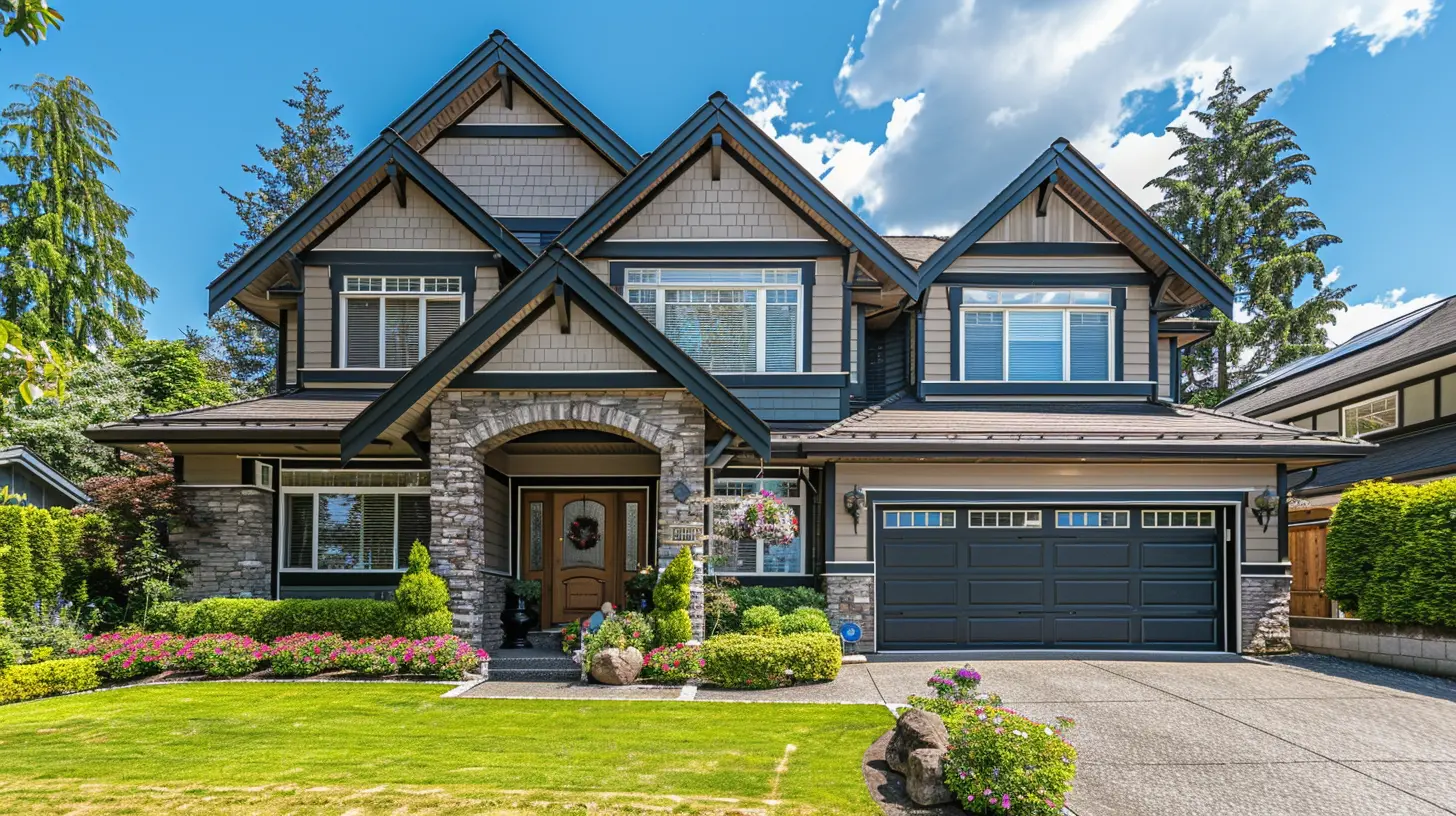
Why Pricing Matters More Than You Think
Before we dive into the how-to, let's talk about why pricing is such a big deal. You might assume you can always start high and drop the price later, but that can backfire.- First impressions matter – If your price is way off, buyers may not even bother looking.
- Overpriced homes sit on the market – The longer your home lingers, the more buyers wonder, "What's wrong with it?"
- Underpricing can cost you – While a lower price might attract multiple offers, there's always the risk of selling for less than your home is worth.
So, how do you strike the perfect balance? Let's break it down.
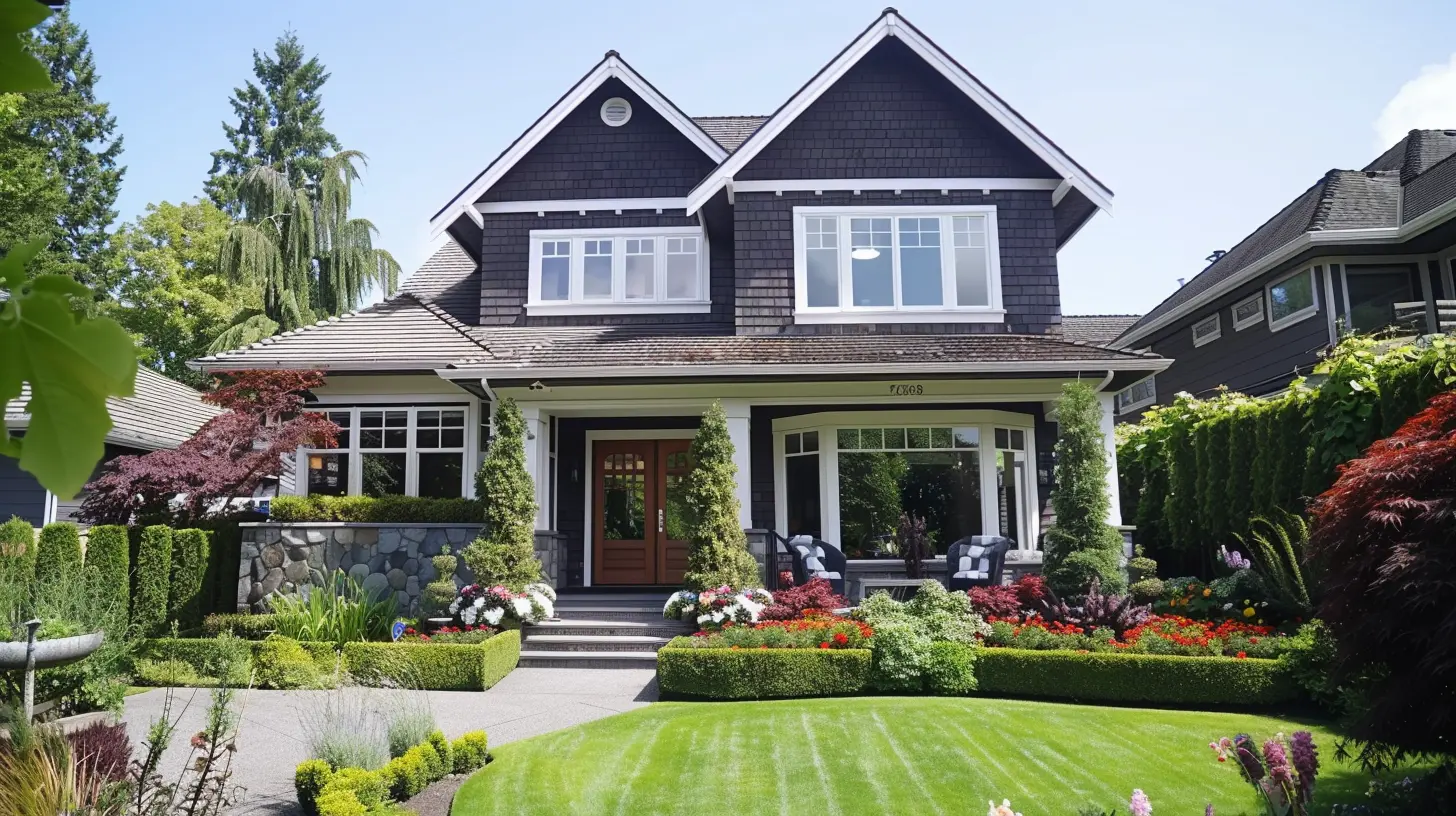
1. Start with a Comparative Market Analysis (CMA)
Think of a Comparative Market Analysis (CMA) as your real estate cheat sheet. It looks at similar homes in your area that have recently sold, those currently on the market, and even the ones that didn’t sell (a.k.a. the pricing mistakes to avoid).What to Look For in a CMA
- Homes with similar square footage, bed/bath count, and lot size.- Recent sales within the last 3–6 months (markets shift fast!).
- Price trends—are homes selling above or below asking price?
A real estate agent can provide you with a detailed CMA, but you can also do some homework on Zillow or Realtor.com to get a rough idea.
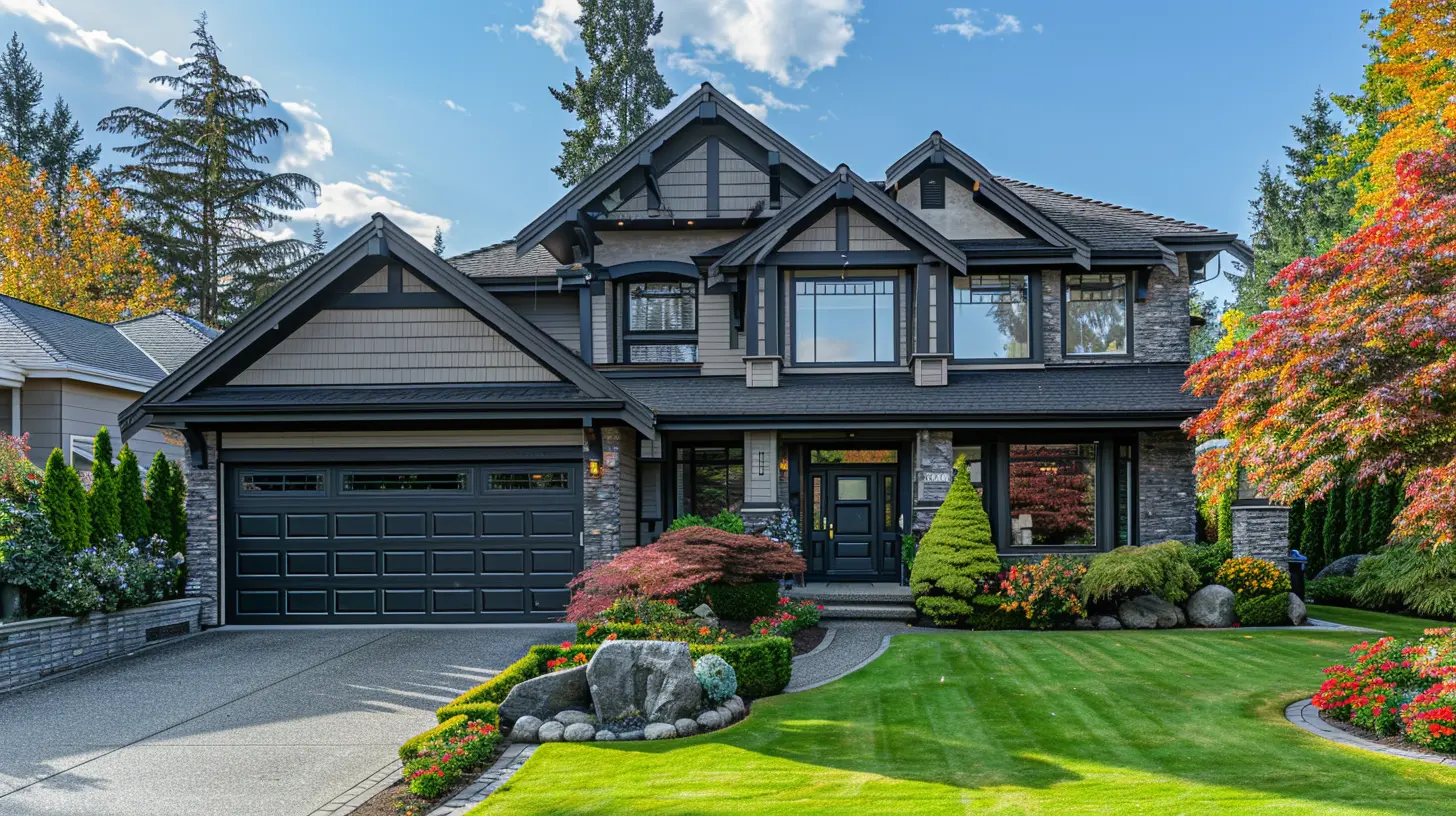
2. Consider Market Conditions
Is it a seller’s market or a buyer’s market? This can make or break your pricing strategy.- Seller’s market: Low inventory + high demand = higher home prices and bidding wars.
- Buyer’s market: More homes for sale = lower prices and buyers calling the shots.
If homes in your area are selling like hotcakes, you may have some flexibility to price on the higher side. But if the market is slow, you’ll need to be extra strategic.
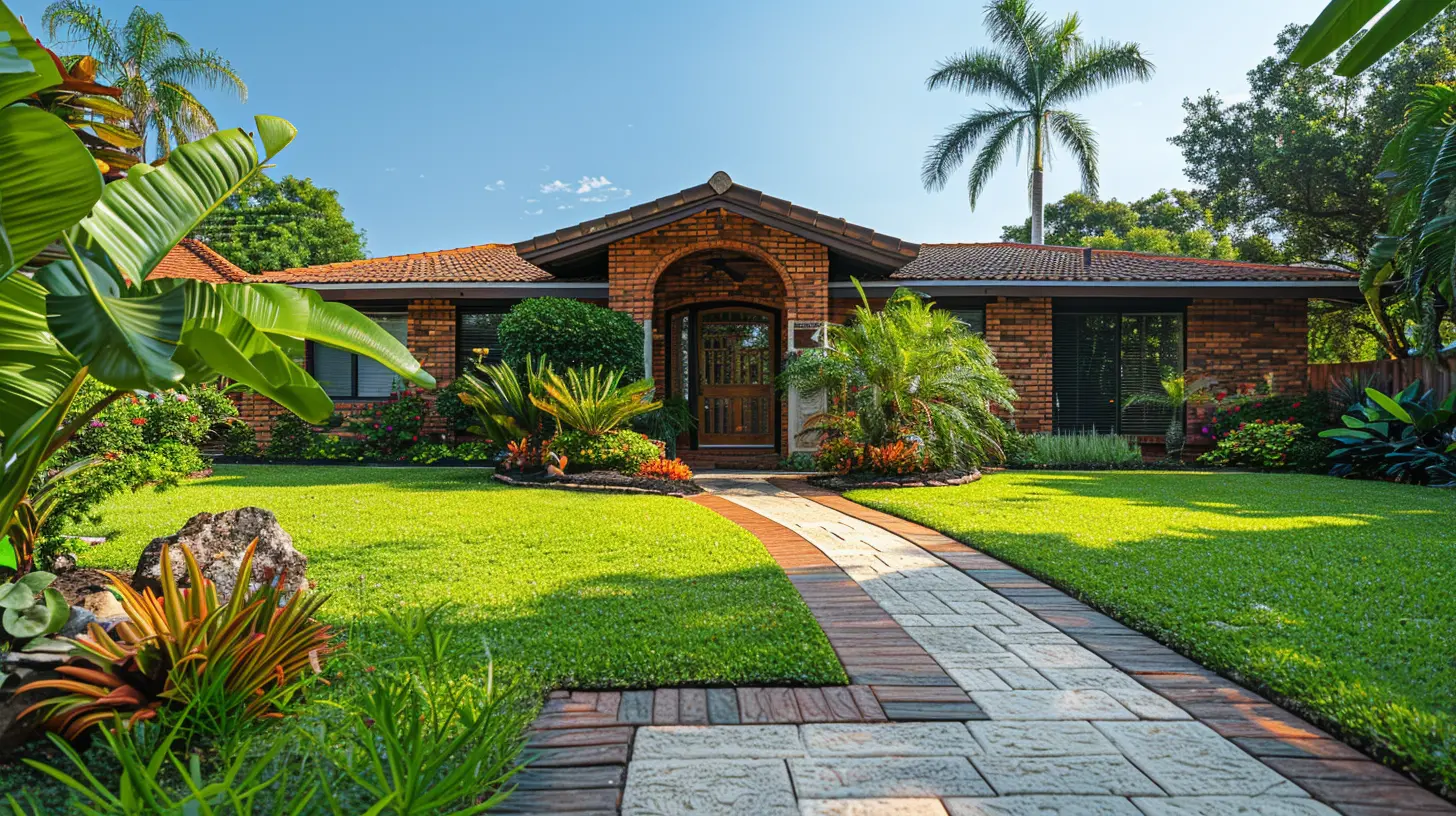
3. Set an Attractive and Competitive Price
Avoid the rookie mistake of emotional pricing. Just because your home holds sentimental value doesn’t mean buyers will pay extra for it. Instead, focus on what the market says.Pricing Sweet Spots
- Homes priced at $299,900 often attract more buyers than ones priced at $300,000 because of psychological pricing.- Prices ending in “9” ($249,900 vs. $250,000) can create a perception of a better deal, similar to how retailers price products.
Take a moment to think like a buyer. Would you rather click on a home priced at $400,000 or one at $399,000? Even a small difference can increase interest.
4. Don't Ignore Online Search Ranges
Most buyers use price filters when house hunting online. If you price your home at $305,000, but many buyers cap their search at $300,000, you could be missing out on a big chunk of potential buyers.To maximize visibility, try to set a price within common search brackets (e.g., $250k–$300k instead of $255k).
5. Factor in Home Upgrades & Flaws
Does your home look like it belongs in a Pinterest dream board? Or does it need a little TLC? Your home’s condition directly impacts its value.What Adds Value?
- Updated kitchens & bathrooms – Buyers love modern finishes.- New roof, HVAC, or major systems – Big repairs already done? That’s a selling point.
- Curb appeal – A fresh coat of paint and some landscaping can work wonders.
What Lowers Value?
- Outdated interiors – If your home still has carpet from the '90s, buyers might want a discount.- Unfinished projects – Half-done DIY jobs can scare buyers away.
- Noisy location – Living near a busy road or train tracks can affect your asking price.
Be honest with yourself. If the neighbor’s home (with a brand-new kitchen) sold for $400k, but yours still has 1980s countertops, you might need to list a little lower.
6. Test the Waters with Pre-Listing Feedback
Still unsure about your price? Try pre-listing feedback from unbiased sources.Who Can Help?
- A trusted real estate agent – They know the market better than anyone.- Friends & family members – Ask them to guess what they think your home is worth.
- A small, private listing – Some sellers quietly list their home off-market to gather interest before going public.
The more feedback you get, the better you can fine-tune your pricing strategy.
7. Be Ready to Adjust Quickly
Even with all the research in the world, sometimes things don’t go as planned. If your home isn’t getting showings or offers within the first few weeks, it may be time to reassess your price.Signs You Need a Price Adjustment
- Low traffic – If buyers aren’t booking showings, something’s off (likely the price).- No offers – Plenty of views but no bites? Buyers might feel your home is overpriced compared to the competition.
- Negative feedback – If buyers repeatedly mention the price as a concern, listen.
A strategic small price drop (2-5%) can reignite interest without making it seem like you’re desperate.
8. Avoid the "Chasing the Market Down" Trap
One of the biggest mistakes sellers make is constantly reducing the price in small increments. This gives the impression that the home is undesirable or that the seller is in distress.If you need to lower the price, do it decisively—a single, well-calculated adjustment is better than several tiny ones.
9. Consider Using a Pricing Strategy That Creates Urgency
Some sellers use a "price it low, create a bidding war" strategy. This means listing slightly under market value to attract multiple buyers, ideally driving up the final sale price.While this can work in hot markets, it’s risky if demand isn’t strong. Not every area is San Francisco or New York City!
10. Work with a Pro (Seriously, It’s Worth It)
Look, you can price your home yourself based on online research, but nothing beats the expertise of a seasoned real estate agent. They have:- Insider knowledge of local pricing trends
- Access to the latest market data and tools
- Negotiation skills to help you get top dollar
A good agent will guide you through the pricing process and help you avoid costly mistakes.
The Bottom Line
Pricing your home right is part science, part strategy, and part psychology. With the right approach, you’ll attract serious buyers, sell faster, and walk away with the best possible price.So, don’t price too high just because you feel sentimental. Don’t price too low out of panic. And definitely don’t play the guessing game. Be smart, stay strategic, and sell like a pro!
all images in this post were generated using AI tools
Category:
First Time SellersAuthor:

Cynthia Wilkins
Discussion
rate this article
2 comments
Beatrice McDonough
This article offers valuable insights for first-time sellers. Pricing a home accurately can be challenging, but understanding market trends and setting a competitive price are crucial. I appreciate the practical tips provided, which emphasize the importance of research and professional guidance in achieving a successful sale.
December 10, 2025 at 4:47 AM
Cynthia Wilkins
Thank you for your feedback! I’m glad you found the insights and tips helpful for first-time sellers navigating the pricing process.
Valeria McInnes
Unlock the secrets of pricing—what lies behind the perfect number? Delve into the art of selling your home wisely.
December 3, 2025 at 4:11 AM
Cynthia Wilkins
Pricing your home correctly combines market research, understanding buyer psychology, and strategic adjustments. It's about finding that sweet spot that attracts buyers while ensuring you get fair value.