How Urbanization Trends Are Reshaping Suburban Real Estate
29 April 2026
Urbanization is accelerating like never before. People are gravitating toward metropolitan areas, drawn in by job opportunities, better infrastructure, and modern lifestyles. But here’s the twist—while urban centers are booming, the effects are rippling out into the suburbs, dramatically reshaping the real estate landscape.
Suburbs, once considered slow-paced and distant from the hustle and bustle, are now evolving into dynamic, self-sufficient communities. So, how exactly are urbanization trends influencing suburban real estate? Let’s dive in.
The Shift: From Traditional Suburbs to Urban-Style Communities
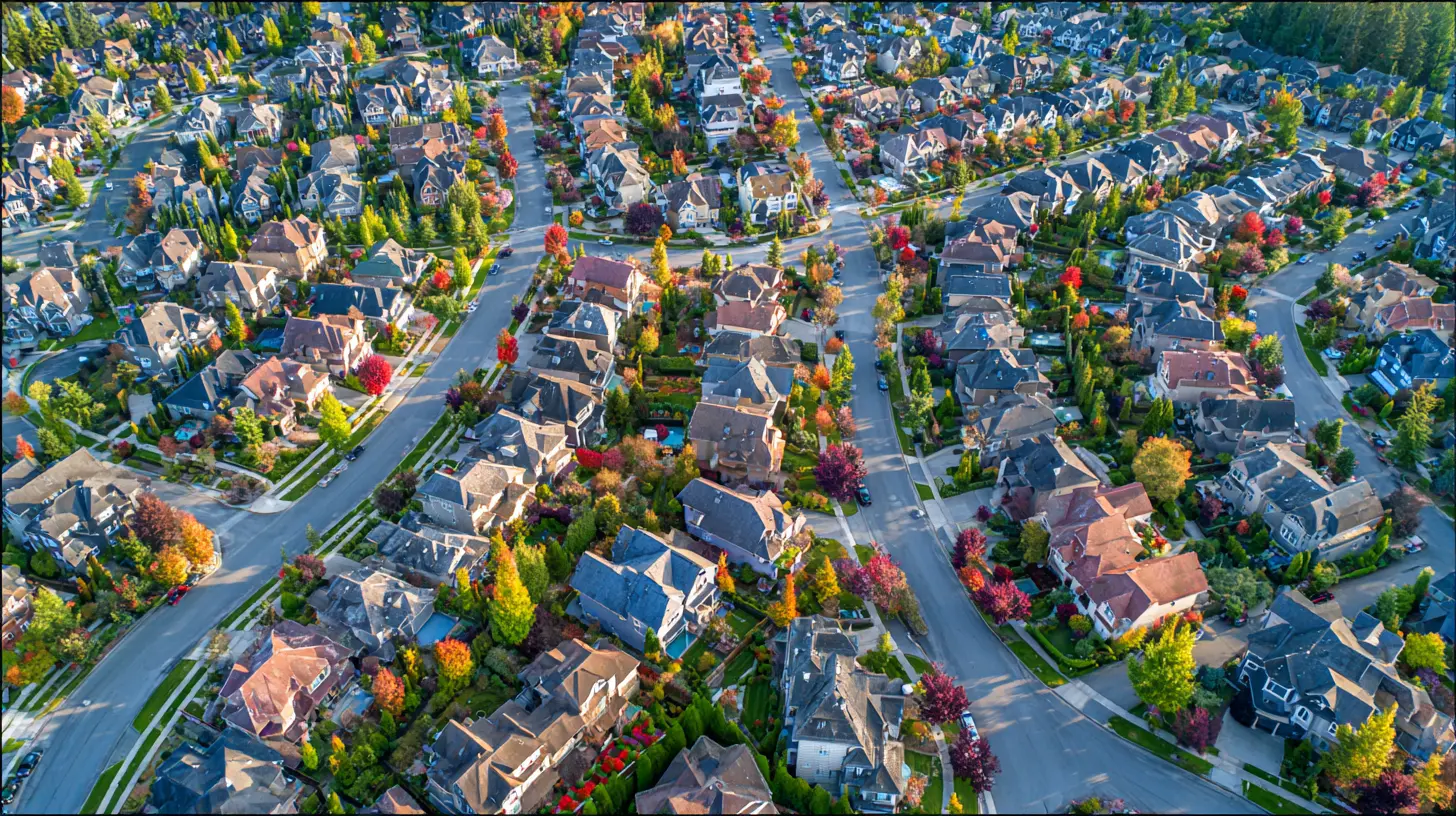
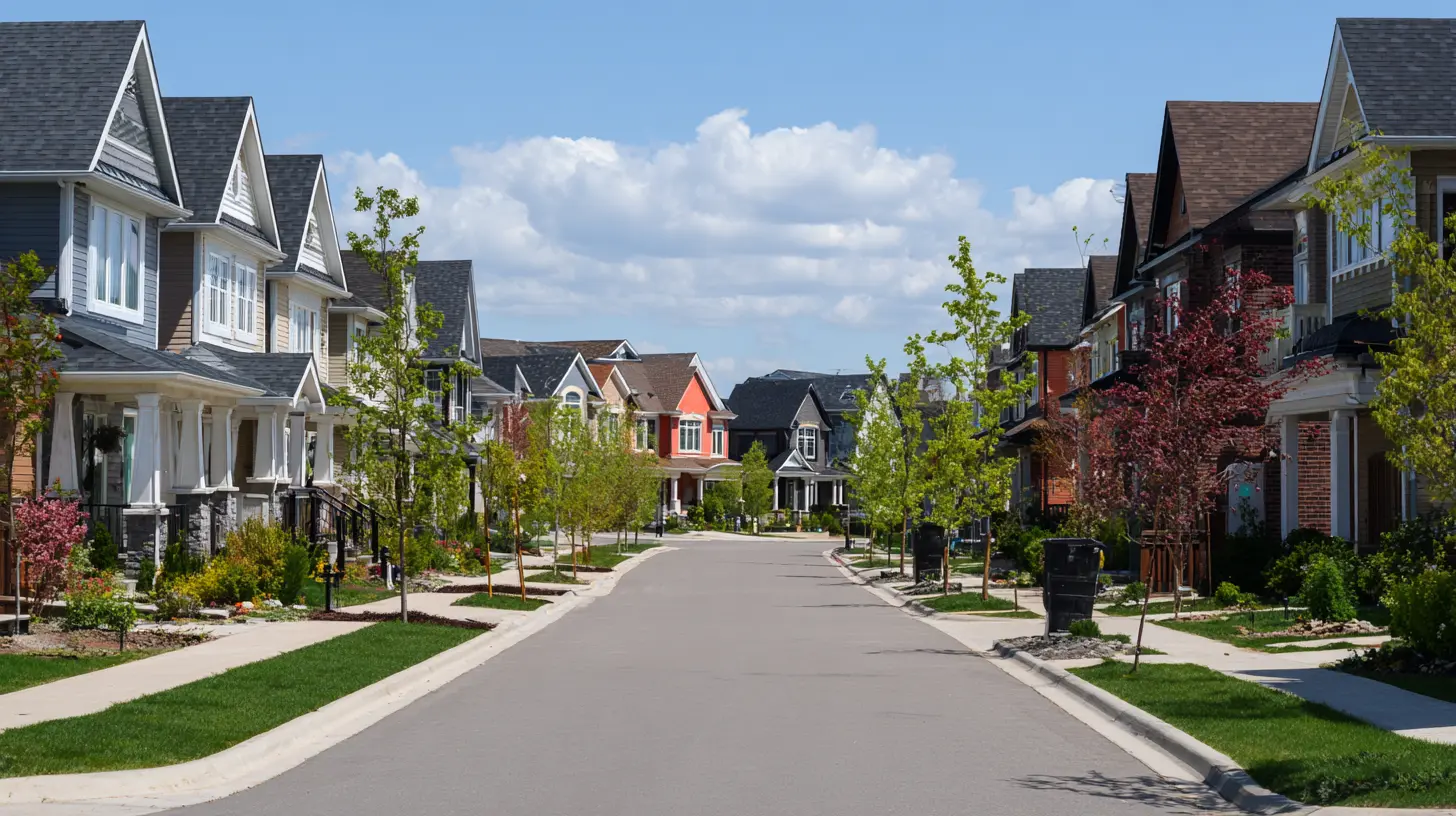
Suburbs used to be the go-to option for those seeking peace, larger homes, and a break from city life. However, urbanization has changed what homebuyers expect. Many people now want the best of both worlds—the convenience and amenities of a city combined with the space and affordability of the suburbs.Developers have taken note. The result? Suburbs are beginning to mirror urban environments, featuring walkable communities, high-density housing, and mixed-use developments. The concept of the “bedroom suburb,” where people live but commute elsewhere for work, is fading fast.
Walkability and Mixed-Use Developments
Today’s suburban real estate isn’t just about large yards and spacious homes. Mixed-use developments—where residential, commercial, and recreational spaces coexist—are becoming the norm. Think about it: Wouldn’t you prefer a neighborhood where you can walk to a coffee shop, grocery store, or even your office?Many suburban areas are adopting the “15-minute city” model, where everything you need is just a short walk or bike ride away. This shift coincides with an increasing desire for convenience, reducing the need for long commutes.
The Rise of Suburban Workspaces
The remote work trend, accelerated by the pandemic, has drastically changed how and where people live. With fewer people needing to commute daily, many are reconsidering their need to live in downtown cores. This has made the suburbs more attractive, particularly those with co-working spaces and upgraded infrastructure to support remote workers.Developers are cashing in on this trend by integrating co-working spaces within residential communities. Picture a suburban neighborhood with a modern workspace a few steps from home—no more jam-packed trains or gridlocked highways.
Changing Homebuyer Preferences
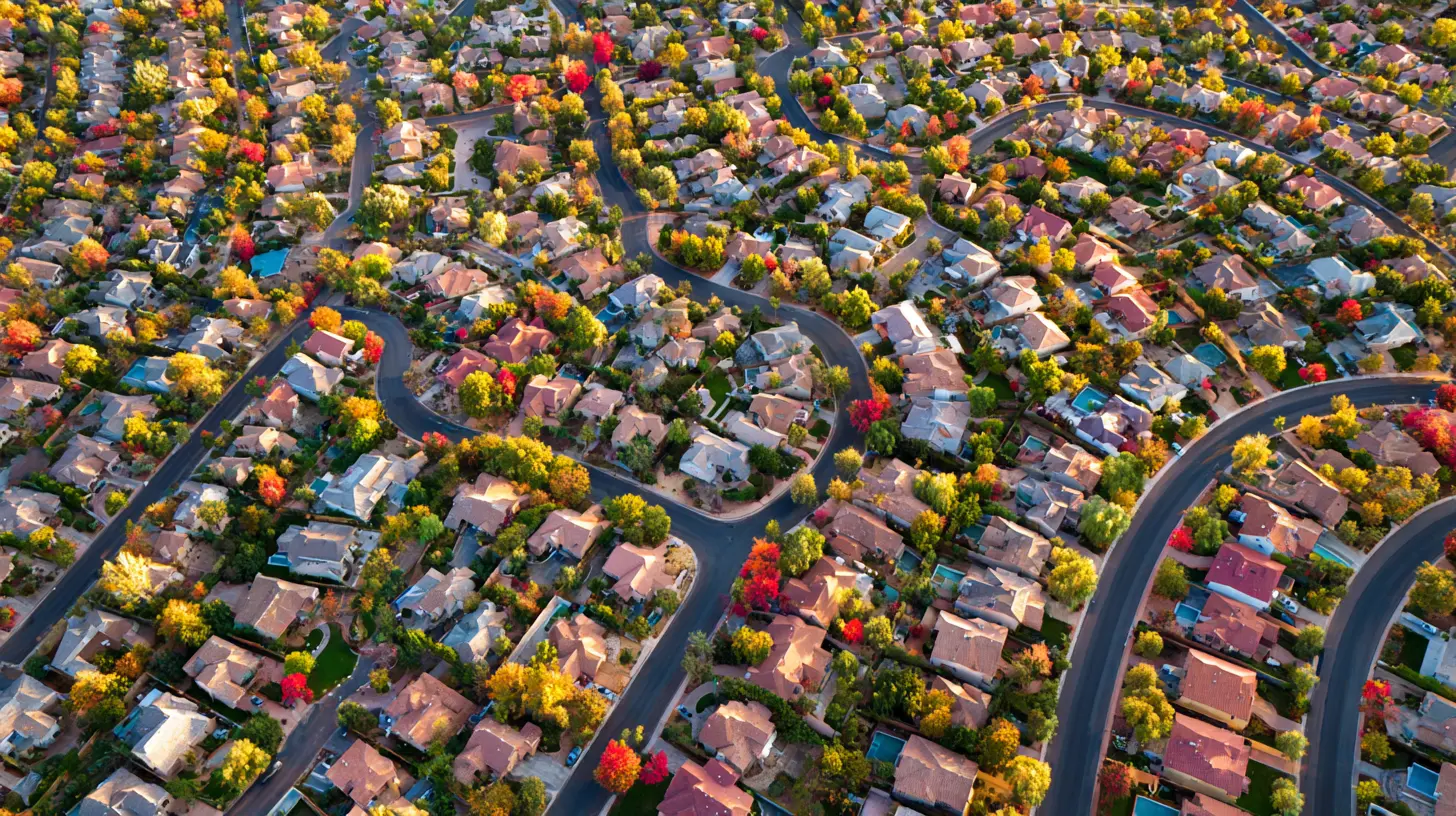
Urbanization trends are not just altering the physical layout of suburban areas but also shifting what buyers prioritize.Higher Demand for Multi-Functional Homes
Homes today need to do more than ever before. With remote work and schooling on the rise, buyers are looking for houses that offer dedicated office spaces, high-speed internet, and even fitness areas.Open-concept homes with adaptable spaces are becoming the new normal. A room that functions as a home office during the day might transform into a relaxation space by evening. This demand for flexibility is shaping new suburban housing designs.
Increased Appeal of Sustainable and Smart Homes
Sustainability is no longer a niche market—it’s a major selling point. Many suburban homebuyers are looking for energy-efficient homes with solar panels, smart appliances, and green building materials.Developers are responding by offering eco-friendly homes that reduce the carbon footprint while saving homeowners money in the long run. From smart thermostats to rainwater harvesting systems, suburban homes are getting a futuristic upgrade.
The Infrastructure Boom in Suburban Areas
The suburban revival wouldn’t be possible without major infrastructure investments. As more people relocate to these areas, cities and developers are focusing on upgrading transportation, broadband, and public services to accommodate the growing population.Improved Transportation Networks
Traditionally, one of the biggest downsides of suburban living was the long, tedious commute. However, many suburban areas are seeing massive improvements in public transportation.New rail lines, express bus services, and better road networks are making it easier than ever to commute to metropolitan centers when necessary. Some suburbs are even investing in bike lanes and pedestrian-friendly streets, making alternative transportation more viable.
High-Speed Internet as a Necessity
Remember when reliable internet was a luxury? Not anymore. For suburban communities to attract remote workers and businesses, high-speed internet is critical. Many suburban towns are investing in fiber-optic networks to ensure residents can work, study, and stream without interruptions.
The Affordability Factor: A Driving Force for Migration
Let’s face it—living in a city isn’t cheap. Skyrocketing home prices and rental costs are driving many buyers out of urban cores and into suburban areas where they can get more bang for their buck.For the cost of a cramped downtown condo, many homebuyers can afford a spacious suburban house with a backyard. This affordability factor is one of the biggest reasons suburban real estate is seeing unprecedented demand.
The Role of Investors and Developers
Real estate investors are quickly recognizing the potential of suburban markets. With urban dwellers making the move, suburban rental and home prices are increasing, making these areas attractive for investment.Build-to-Rent Communities
Many developers are betting on the rental market by creating build-to-rent suburban communities. These developments cater to those who want the suburban lifestyle without the long-term commitment of homeownership.Retail and Entertainment Expansion
It’s not just residential properties that are booming—retail and entertainment spaces are also following the migration patterns. Shopping centers, dining districts, and entertainment hubs are popping up in suburbs to meet the needs of the growing populations.
Challenges and Potential Downsides
Of course, there are challenges that come with this shift. Rapid urbanization in suburban areas can lead to increased traffic congestion, strain on public services, and rising home prices that push out long-time residents.Balancing growth while maintaining affordability and quality of life will be key. Policymakers and developers must work together to ensure suburban expansion is sustainable rather than chaotic.
The Future of Suburban Real Estate
Urbanization isn’t slowing down, and neither is suburban transformation. The line between city and suburb is becoming increasingly blurred as we move toward a new era of “urban suburbs.”Smart planning, sustainable development, and continued investment in infrastructure will determine how well these changes benefit both new and existing residents. One thing is certain—the suburban real estate market is hotter than ever, and this trend isn’t stopping anytime soon.
Final Thoughts
The suburbs of the future won’t look like those of the past. With urbanization influencing everything from home design to community planning, today’s suburban neighborhoods are evolving to meet the modern buyer’s needs. Whether you’re a homebuyer, investor, or real estate professional, understanding these shifts is crucial to staying ahead in the game.Suburban real estate isn’t just a backup option for city dwellers anymore—it’s becoming the main attraction.
all images in this post were generated using AI tools
Category:
Real Estate TrendsAuthor:

Cynthia Wilkins
Discussion
rate this article
2 comments
Vivian Collins
Urbanization is driving demand for suburban properties with better amenities and commuting options. This shift creates unique opportunities and challenges for real estate investors.
July 15, 2026 at 2:32 AM
Velma Bryant
It's important to consider how these changes impact communities and individuals. Let's prioritize thoughtful development that benefits everyone involved.
May 13, 2026 at 2:29 AM
Cynthia Wilkins
I completely agree. Thoughtful development is crucial to ensure that urbanization serves the needs of all community members.