Integrating Data Analytics into Commercial Real Estate Decisions
20 May 2026
Real estate ain't just about luck and gut feelings anymore. Nope! We’re stepping into an era where data analytics is the real MVP, transforming the way investors, brokers, and developers make crucial decisions. Gone are the days of throwing darts in the dark—now, we’ve got cold, hard data to light the way.
So, what’s the deal with data analytics in commercial real estate (CRE)? Buckle up, because we’re diving deep into how number-crunching is reshaping the landscape, making smarter investments, and cutting risks like a hot knife through butter.
Why Data Analytics is a Game-Changer in CRE
Let's be real—commercial real estate has always been a bit of a gamble. You’re betting on locations, market trends, and tenant behaviors. But what if I told you that data analytics could help you see the future? Well, almost.With a vast pool of historical and real-time data, CRE professionals can now predict market trends, assess risks, and optimize investments better than ever before. From tenant preferences to property valuations, every decision can now be backed by solid data rather than just gut instincts.
Let’s break it down, shall we? 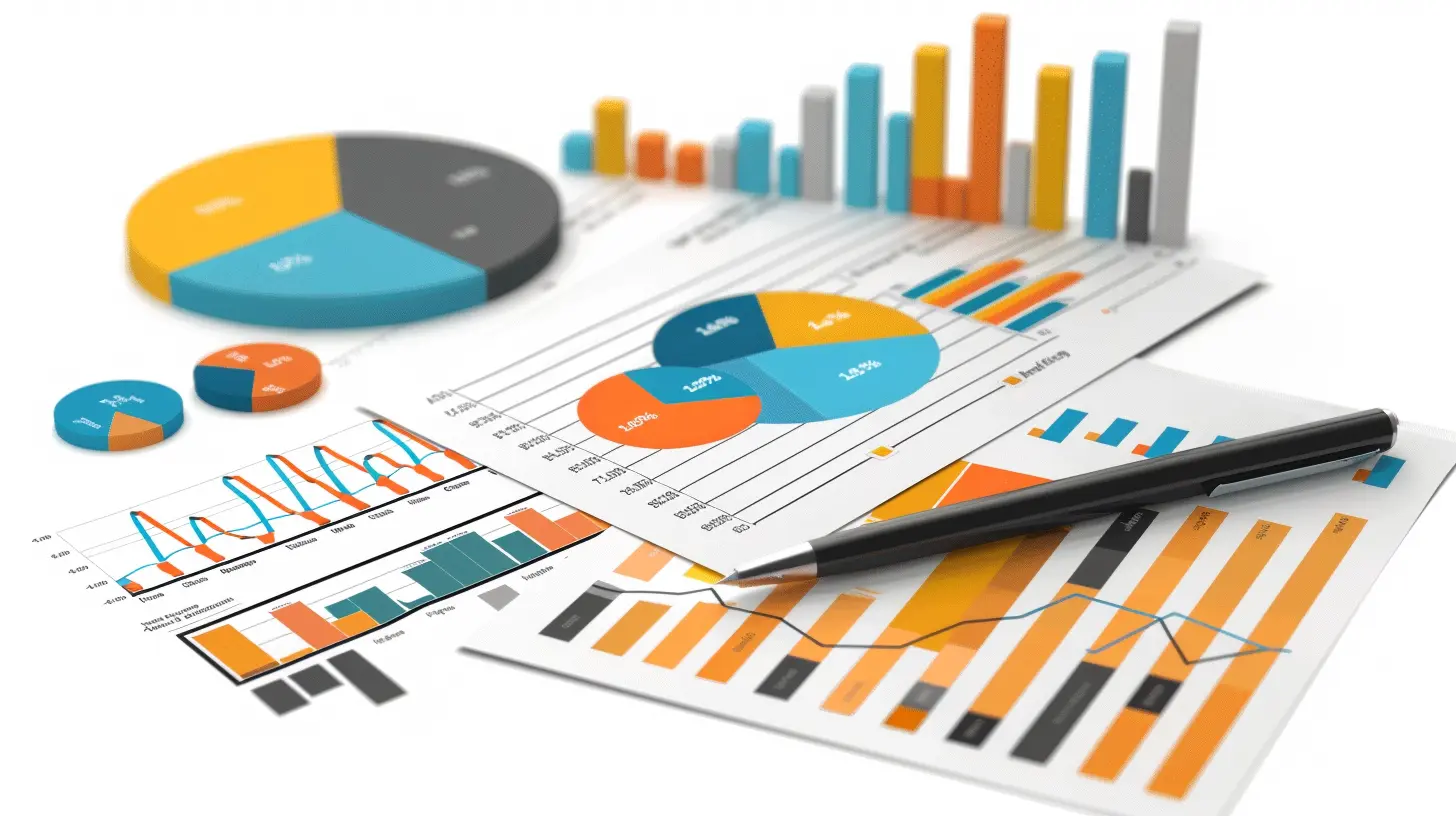
The Role of Data Analytics in Commercial Real Estate
1. Market Trend Prediction
Wouldn’t it be nice to know what’s going to happen before it actually does? With data analytics, that’s becoming a reality. By analyzing past and present market behaviors, AI-powered algorithms can forecast future trends.For instance, data tools can reveal:
- Which neighborhoods are experiencing rapid growth
- Where rental demand is surging
- How economic shifts impact commercial spaces
Imagine knowing where the next urban hotspot is before everyone else. That’s the kind of edge data analytics provides.
2. Property Valuation Like a Pro
Forget outdated appraisals and vague guesstimates. With data analytics, property valuation has become more precise than ever. By analyzing:- Local market trends
- Comparable property prices
- Economic indicators
CRE professionals can determine a property’s true value with laser precision. No more overpaying for hype or underselling a goldmine—just cold, hard facts backing every decision.
3. Risk Assessment & Mitigation
Commercial real estate isn’t all sunshine and big checks. Risks are everywhere—declining neighborhoods, unpredictable tenants, economic downturns. But guess what? Data analytics can help sniff out red flags before they turn into financial disasters.By assessing factors like:
- Crime rates
- Employment growth
- Historical occupancy rates
Investors can avoid risky deals and focus on properties that scream profitability. It’s like having a crystal ball, but way more reliable.
4. Tenant Behavior & Lease Optimization
Ever wish you could read your tenants’ minds? Well, data analytics isn't exactly telepathy, but it's pretty close.By crunching data on tenant behavior, landlords and property managers can:
- Predict lease renewal rates
- Identify tenant preferences
- Optimize rental pricing strategies
This means fewer vacancies and happier tenants—because, let’s face it, a satisfied tenant is way better than a revolving door of unreliable renters.
5. Operational Efficiency & Cost Savings
Wasting money on inefficient property management? Not anymore. Smart analytics tools can track everything from energy consumption to maintenance needs, ensuring cost-cutting without compromising quality.For instance, predictive maintenance powered by data analytics can:
- Flag equipment failures before they happen
- Reduce unnecessary repair expenses
- Optimize HVAC, lighting, and security systems
Less waste, more savings. That’s a win-win in any book. 
How to Implement Data Analytics in Your CRE Strategy
Alright, we get it—data is powerful. But how do you actually use it to your advantage? Let’s break it down step by step.Step 1: Collect & Clean Your Data
Ain’t no magic without good data! Start by gathering data from various sources:✔️ Property management software
✔️ Market research reports
✔️ Tenant feedback surveys
✔️ Social media trends
✔️ Public records
But hold up! Raw data can be messy. Invest in data-cleaning processes to ensure accuracy before making high-stakes decisions.
Step 2: Choose the Right Data Analytics Tools
Not all tools are created equal. To get the most out of your data, you need the right tech stack. Here are some heavy hitters in CRE analytics:- CoStar & Reonomy (Market insights & property data)
- Yardi & RealPage (Property management systems)
- Google Analytics & Tableau (Data visualization & reporting)
- AI-powered forecasting tools (Predicting market trends like a boss)
Pick your weapons wisely, and you’ll be making informed decisions in no time.
Step 3: Apply Data-Driven Decision Making
Once you have clean, structured data and the right tools, it’s go time. Use analytics to:✔️ Identify profitable investment opportunities
✔️ Set competitive rental prices
✔️ Optimize leasing strategies based on tenant behavior
✔️ Improve property management and reduce operational costs
No more "gut-feeling" investments—it's all about strategic decision-making.
Step 4: Monitor & Adjust
Data analytics isn’t a one-and-done deal. Markets shift, trends evolve, and new insights surface. The key? Continuous monitoring and adapting your strategies accordingly.Set up regular reporting and performance tracking to stay ahead of the game. Make adjustments when necessary—because being data-savvy means staying flexible. 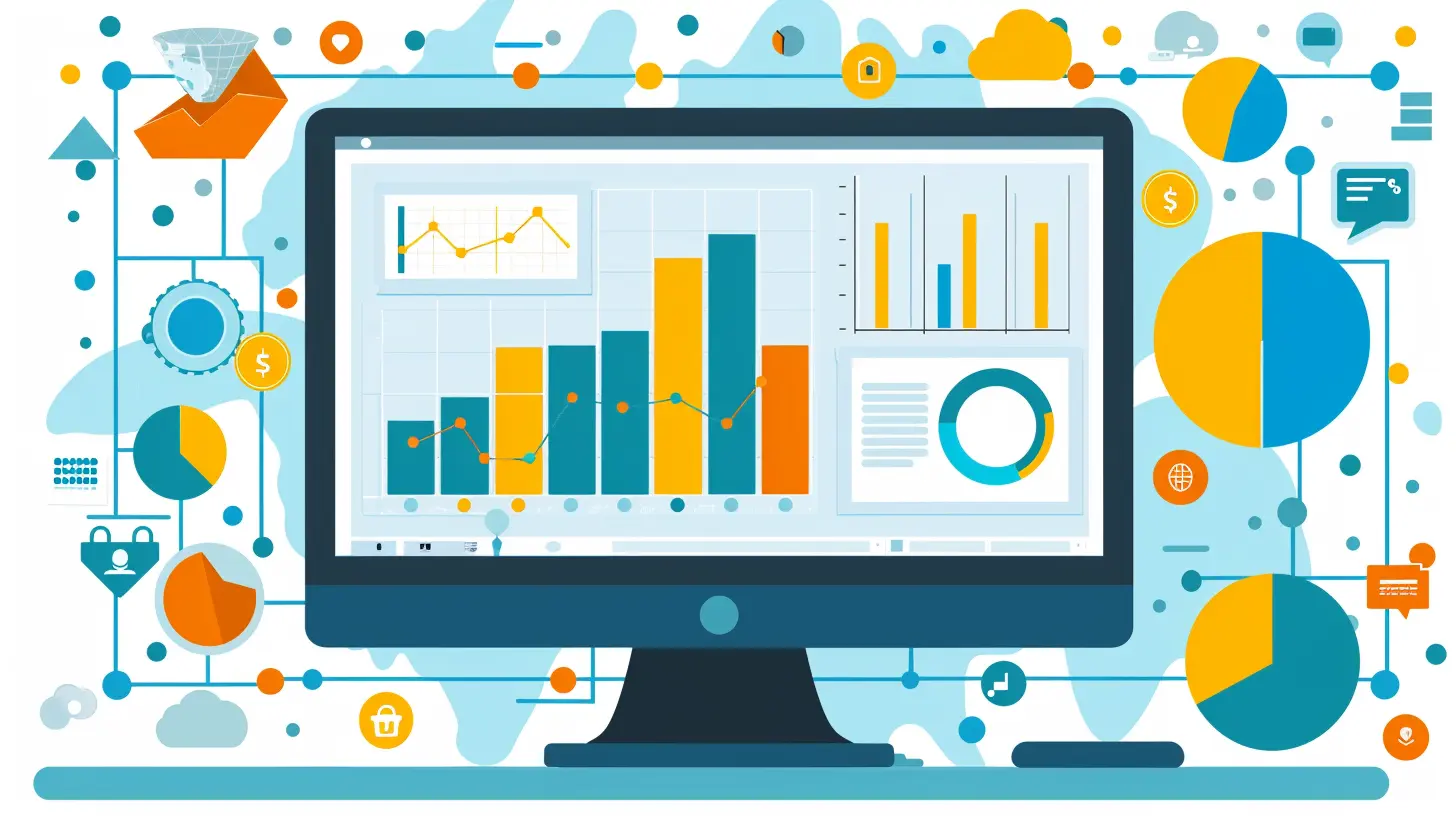
The Future of Data Analytics in CRE
Still thinking all this data stuff is just a passing craze? Think again! The future of commercial real estate belongs to those who embrace the analytics revolution.AI & Machine Learning Will Take Over
Forget traditional spreadsheets—AI-driven models will soon handle everything from investment predictions to risk assessments without breaking a sweat.Blockchain & Big Data Will Increase Transparency
Imagine a world where CRE transactions are completely transparent—no shady deals, no hidden figures. Blockchain-powered data analytics could make that happen.Real-Time Analytics Will Become the Norm
In the near future, real estate pros won't wait for market reports—they'll get real-time insights at their fingertips, making split-second, data-backed decisions.Final Thoughts
Data analytics is not just a fancy buzzword in commercial real estate—it’s the game-changer. Whether you're an investor, property manager, or developer, ignoring data is like gambling blindfolded.Want to stay ahead of the competition? Start integrating data analytics into your CRE strategy today. Because in this business, knowledge isn’t just power—it’s profit.
all images in this post were generated using AI tools
Category:
Real Estate AnalyticsAuthor:

Cynthia Wilkins
Discussion
rate this article
1 comments
Marlowe Cantu
Data analytics can transform decision-making in commercial real estate, driving better investments and strategic insights.
May 28, 2026 at 4:38 AM
Cynthia Wilkins
I completely agree. Leveraging data analytics provides invaluable insights that can significantly enhance investment strategies in commercial real estate.