Is Real Estate a Stable Career During Economic Uncertainty?
9 May 2026
Economic uncertainty can shake up just about every industry—and real estate is no exception. When the market fluctuates, interest rates rise, and layoffs hit, people start to wonder: is working in real estate still a stable career? This is a fair question, especially if you're considering a long-term career in this field.
The truth? Real estate isn't bulletproof, but it has a certain resilience that many other industries lack. In this article, we'll break down why real estate remains a promising career even in tough economic times, the challenges you might face, and strategies to stay ahead.
The Nature of Real Estate: A Cyclical Market
To understand whether real estate is stable in times of economic uncertainty, we have to recognize its cyclical nature. The market moves in cycles, with periods of boom and bust. When the economy is thriving, home prices rise, people buy and sell frequently, and agents make good money. But when things slow down, transactions become fewer, and the job gets tougher.Despite these ups and downs, real estate has a long history of bouncing back. Even during major recessions—like the housing crisis of 2008 or the COVID-19 pandemic—the market eventually recovered. Real estate is a necessity. People will always need homes, whether for living, renting, or investing.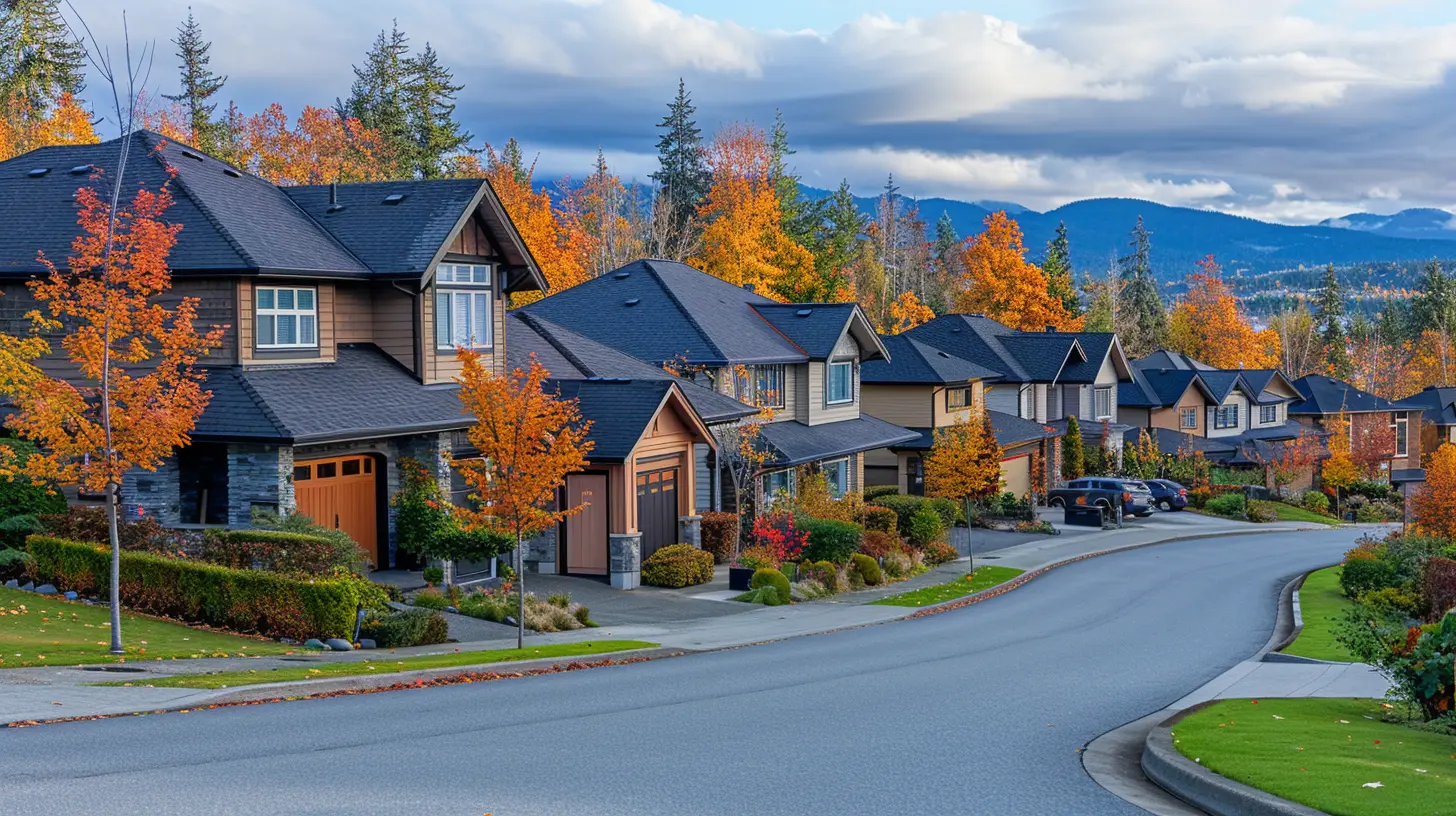
Why Real Estate Can Be a Stable Career—Even in Tough Times
1. Housing Will Always Be in Demand
Regardless of what the economy is doing, people need somewhere to live. While downturns might slow buying and selling activity, the demand for housing never completely disappears. People continue to relocate for work, downsize, or invest. Unlike other industries that can shut down entirely during a crisis, real estate always has some level of movement.2. Opportunities Shift with Market Conditions
One of the great things about real estate is that it adapts. When home sales decline, rental markets often strengthen. Investors look for opportunities in distressed properties. In a slow economy, people may opt to rent instead of buy, creating a strong demand for property management. If you're flexible and willing to pivot, you can find ways to keep your business steady.3. Real Estate Agents Are Not Bound by a Salary
While some may see this as a drawback, the commission-based nature of real estate means that you're not restricted by an employer deciding whether to keep you on payroll. Your income is based on effort, strategy, and adaptability. In contrast, traditional jobs in sectors like retail or tech may see layoffs, leaving employees without options.4. Multiple Income Streams Are Possible
Successful real estate professionals don’t rely on just one source of income. There are many ways to diversify your earnings, including:- Property Management: Managing rental properties for landlords.
- Real Estate Investing: Flipping homes or holding rental properties for long-term gains.
- Short-Term Rentals: Listing properties on platforms like Airbnb.
- Commercial Real Estate: Expanding beyond residential to work with businesses and landlords.
By combining different revenue streams, real estate professionals can make their careers more stable—no matter what the market is doing.
Challenges of Real Estate During Economic Uncertainty
While real estate offers many opportunities, it's not without challenges. Here are some hurdles you might face, especially in an uncertain economy.1. Market Slowdowns Mean Fewer Transactions
During an economic slump, fewer people buy and sell homes. Buyers hesitate due to high interest rates or financial insecurity, and sellers may hold off because they’re unsure if they’ll get the best price. This means fewer transactions and tougher competition among agents.2. Financing Can Be a Barrier
When banks tighten lending standards, it becomes harder for buyers to secure mortgages. If people can’t get financing, sales may stall, affecting commissions and income for real estate agents.3. Increased Competition
In tough markets, more agents chase fewer deals. Those who aren’t well-established or don’t have a strong network may struggle to close sales. This makes building relationships and marketing yourself more important than ever.4. Emotional Toll
Real estate requires resilience. Dealing with buyers and sellers who are uncertain or anxious can be stressful. It takes patience, confidence, and strategic problem-solving to navigate challenging times.
How to Succeed in Real Estate During Economic Uncertainty
While real estate has its risks, there are ways to thrive—even when the economy is shaky.1. Stay Educated and Adaptable
Market conditions are always changing, and the best agents are those who stay ahead of trends. Learn about shifts in interest rates, local market patterns, and alternative financing options. The more knowledgeable you are, the better you can guide clients through uncertain times.2. Strengthen Your Networking and Relationships
Real estate is a relationship-driven business. Whether the market is up or down, people remember someone who provided them with honest advice and great service. Stay in touch with past clients, connect with new potential buyers or sellers, and build relationships with other industry professionals like lenders and contractors.3. Leverage Digital Marketing and Social Media
Traditional marketing isn’t enough anymore. Buyers and sellers turn to the internet first, so having a strong online presence is crucial. Use social media, create valuable content (blogs, videos, emails), and position yourself as a trusted expert in your market.4. Expand Your Skill Set
Don’t just be an agent—be a real estate resource. Learn about real estate investing, property management, or home staging to add value to your clients. The more services you can provide, the more opportunities you'll have.5. Save and Plan for the Long-Term
Real estate income can be unpredictable. If you're in this career for the long haul, it's a good idea to be financially smart. Save money during the good times to help cushion the slower periods. Budget wisely and avoid unnecessary expenses when the market is uncertain.Final Thoughts: Is Real Estate a Stable Career?
The answer depends on how you define stability. If you're looking for a traditional 9-to-5 job with a guaranteed paycheck, real estate might not feel stable—especially during economic downturns. However, if you're willing to adapt, build relationships, and create multiple income streams, real estate can offer long-term security and success.Economic uncertainty will always be a part of life, but real estate isn’t going anywhere. People will always need homes, and opportunities will always exist for those who are resourceful and persistent. While it comes with ups and downs, real estate remains one of the most rewarding careers for those willing to navigate the challenges.
So, is real estate a stable career during economic uncertainty? With the right mindset and strategy, the answer is a resounding yes.
all images in this post were generated using AI tools
Category:
Real Estate CareersAuthor:

Cynthia Wilkins
Discussion
rate this article
1 comments
Jet Marks
Real estate can offer stability during economic uncertainty, but success relies on adaptability, local market knowledge, and networking. Focus on building strong relationships to weather challenges.
May 16, 2026 at 3:13 AM
Cynthia Wilkins
I completely agree. Building relationships and understanding the local market are crucial for navigating the ups and downs in real estate. Adapting to changes ensures long-term success.