Opportunities in Real Estate Tech Integration by 2026
15 April 2026
Remember the last time you used a paper map on a road trip? That faint rustle, the frantic folding, the inevitable wrong turn that added an hour to your journey? Now, you just tell your phone where to go. That seismic shift—from cumbersome analog to seamless digital—isn’t just for navigation. It’s happening right now in the world of bricks and mortar. The real estate industry, long seen as a bastion of tradition, is in the midst of its own GPS moment. And by 2026, the integration of technology won't be a luxury for a few forward-thinking agents; it will be the very pavement on which the entire market drives.
Let's pull over for a second and look at the dashboard. What do we mean by "tech integration"? It’s not just having a fancy website or using a digital signature. That’s like calling a car with cup holders "high-tech." True integration is the deep, connective tissue that links every part of the real estate process—from the first flicker of a buyer’s dream to the final turn of the key in a new lock—into a single, intelligent, and surprisingly human system.

The Foundation: Why 2026 Isn't Just Another Year on the Calendar
You might be thinking, "Why 2026? That’s oddly specific." It’s not a random guess. We’re standing at a convergence point. The powerful technologies that have been bubbling in labs and startups for years—Artificial Intelligence, the Internet of Things (IoT), blockchain, immersive virtual spaces—are finally maturing, becoming affordable, and, crucially, learning to talk to each other. By the middle of this decade, they will have moved from flashy pilot projects to the expected standard.Think of it like broadband internet. In the early 2000s, it was a cool novelty. By 2010, you couldn’t run a business without it. The period between now and 2026 is our "broadband adoption" phase for real estate tech. The opportunities aren't just in inventing new gadgets, but in weaving these existing threads into a stronger, smarter fabric. The prize? A market that is more efficient, transparent, and accessible for everyone involved.
The Buyer’s Journey: From Scrolling to Strolling in a Digital World
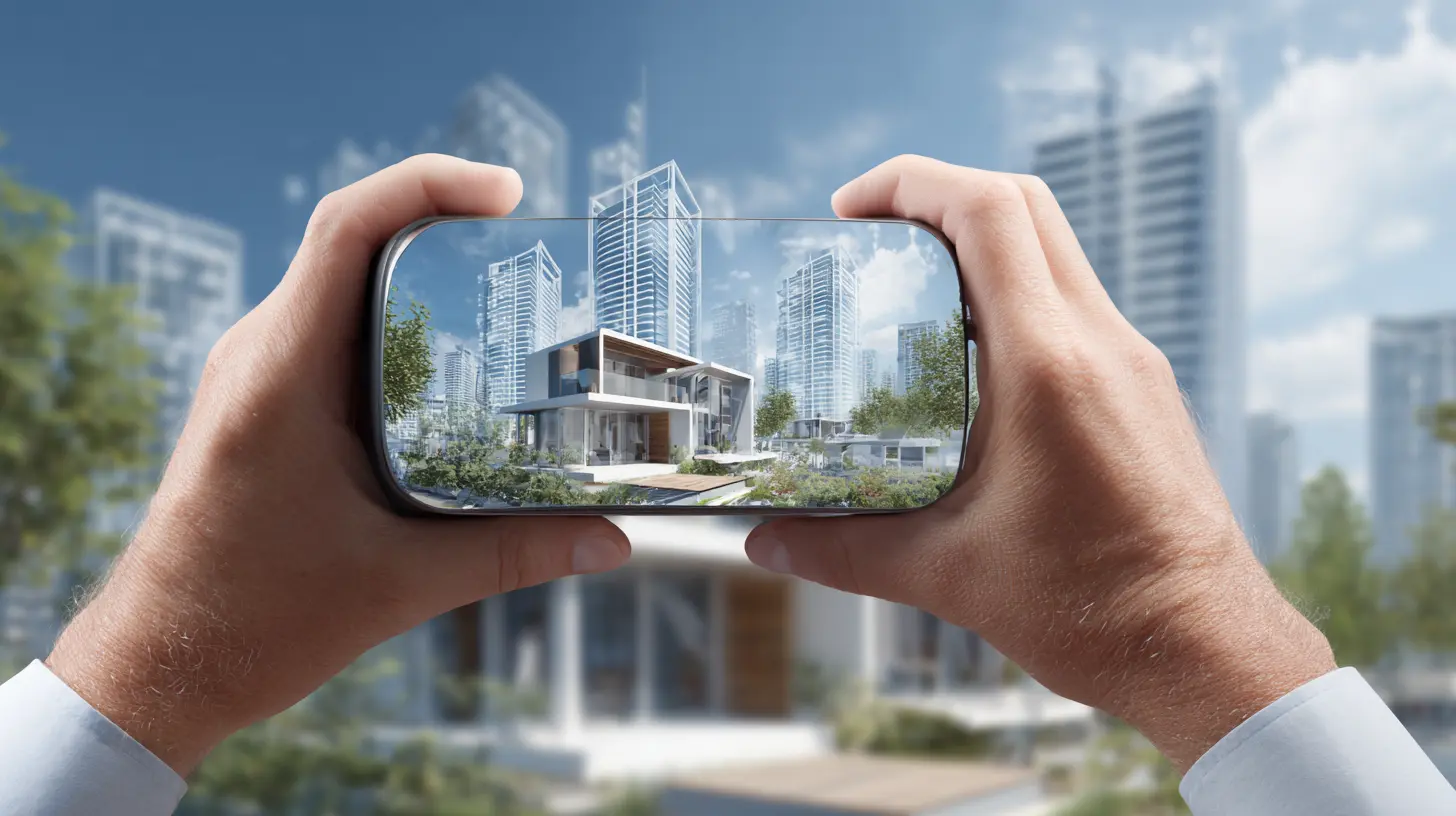
Let’s start with the most visible change: how we find and fall in love with our homes. The days of driving by a "For Sale" sign are fading fast. The opportunity here is to create a hyper-personalized, immersive discovery process.Your AI Matchmaker
Imagine not just setting filters for bedrooms and bathrooms, but having a digital assistant that learns your unspoken preferences. It notices you always pause on listings with bay windows, homes on quiet cul-de-sacs, or kitchens with specific shade of blue cabinetry. This AI-powered tool won’t just show you listings; it will curate them, saving you from the soul-crushing scroll through hundreds of mismatched properties. For agents, this is a golden opportunity to leverage AI to serve clients at a profoundly personal level, moving from a sales role to a trusted guide role.The Era of the "Digital First" Viewing
Virtual tours are old news. By 2026, the opportunity lies in true immersive walkthroughs. We’re talking about putting on a lightweight VR headset and not just looking at a space, but feeling its dimensions. You’ll be able to open virtual cabinets, see how the afternoon light floods the living room at 4 PM in December, and even test different paint colors on the walls in real-time. This tech doesn’t replace physical visits; it makes them infinitely more meaningful. Buyers from across the country or the globe can genuinely experience a property, making relocation and investment decisions faster and with more confidence. The opportunity for sellers? To showcase their property in its absolute best light, 24/7, to a global audience.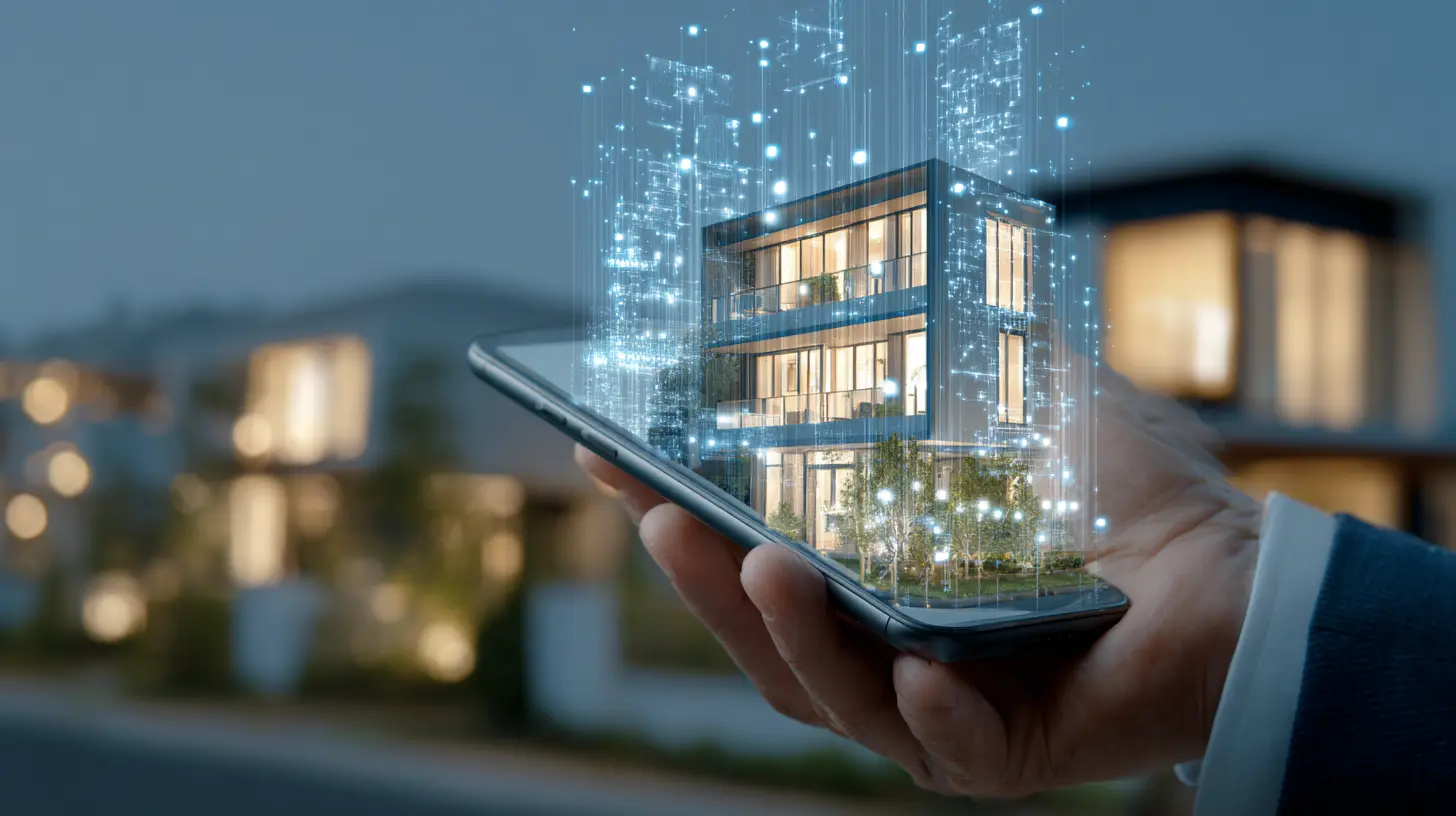
The Transaction Engine: Cutting the Red Tape with Digital Threads
Here’s where the magic of integration gets serious. The actual process of buying a home is famously paper-laden and stressful. Tech integration by 2026 promises to turn that tangled knot into a smooth, digital ribbon.Smart Contracts and the Blockchain Ledger
The phrase "blockchain" might sound like tech-bro jargon, but its application here is beautifully simple: irrefutable transparency. Imagine a shared, secure digital ledger that records every step of the transaction—the offer, the inspection contingency, the mortgage approval. Every party (buyer, seller, agent, lender, title company) is on the same page, literally. Smart contracts—self-executing contracts with the terms written into code—could automatically release earnest money once inspection conditions are met, or transfer title upon final payment. The opportunity? To reduce fraud, slash closing times from 45 days to perhaps 10, and eliminate a mountain of anxiety. This isn't just a faster process; it's a more trustworthy one.The Automated Back Office
For agents and brokers, a huge opportunity lies in automating the administrative beast. AI can now handle scheduling, draft standard communications, manage compliance checklists, and populate forms with data pulled directly from your CRM. This frees up professionals to do what technology never can: build genuine relationships, negotiate with emotional intelligence, and provide strategic counsel. Your value shifts from being a paperwork processor to being an irreplaceable human expert.
The Home Itself: Living in a Responsive Ecosystem
This is perhaps the most exciting frontier. Tech integration won’t stop at the sale. The home itself is becoming a connected, responsive partner.The Proactive Property
Thanks to IoT sensors, the house of 2026 will have a "nervous system." It won’t just tell you the thermostat is set to 72°F; it will learn your patterns and adjust itself. More importantly, it will perform self-diagnostics. A sensor on the water heater detects a tiny, anomalous pressure build-up and sends an alert to your homeowner’s app and your preferred plumber before it bursts and floods the basement. A roof sensor notes the first signs of wear after a major storm. This transforms homeownership from reactive maintenance to predictive care. The opportunity for service providers (inspectors, contractors, HVAC companies) is to integrate into these alert systems, offering proactive service subscriptions.Value Creation Through Data
All this connectivity generates a river of anonymized, aggregated data. This presents a colossal opportunity for the entire market. We can move beyond comparing square footage and number of bathrooms to understanding real performance metrics. How much does a certain smart-home package actually save on energy bills? Which neighborhood features correlate with the highest long-term satisfaction? This data can inform everything from more accurate appraisals to better urban planning, creating a market that values what truly contributes to quality of life.The Challenges & The Human Touch: Navigating the New Landscape
Of course, this integrated future isn’t without its potholes. Data privacy and security will be paramount—who owns the data from your smart home? There’s a digital divide to bridge, ensuring these tools create accessibility rather than new barriers. And there will be a learning curve as the industry adapts.But here’s the crucial point: this isn't about robots replacing realtors. It’s the opposite. Think of the best tour guide you ever had. They didn’t just point at buildings; they told stories, sensed the group's mood, and answered deep, curious questions. The tech we’re talking about removes the burden of pointing at buildings (here’s the listing, here’s the form, here’s the maintenance schedule). It frees up the human professional to be that storyteller, negotiator, and trusted advisor.
The opportunity by 2026 is not to become a tech expert. It’s to become a tech-empowered human expert. It’s about using these integrated tools to provide a service that is more insightful, more personalized, and more valuable than ever before. The key won’t be in the circuit board, but in the hand that guides it.
The map of real estate is being redrawn. The old, static paper version is gone. By 2026, we’ll all be navigating a living, interactive, intelligent landscape. The question isn't whether you'll join the journey, but how you'll choose to drive.
all images in this post were generated using AI tools
Category:
Real Estate OpportunitiesAuthor:

Cynthia Wilkins
Discussion
rate this article
2 comments
Jamie Hughes
This article truly highlights the exciting potential of technology in real estate. As we approach 2026, the integration of innovative tools can bring significant benefits to both buyers and sellers. I'm eager to see how these advancements will shape the industry in the coming years.
May 20, 2026 at 3:55 AM
Cynthia Wilkins
Thanks for your thoughts! The possibilities are indeed exciting, and I can't wait to see the impact of these innovations unfold in real estate.
Kason Huffman
Exploring real estate tech integration by 2026 reveals immense opportunities for efficiency, enhanced customer experiences, and data-driven decision-making, positioning firms to thrive in a competitive landscape.
April 20, 2026 at 5:10 AM
Cynthia Wilkins
You're absolutely right. The potential for tech integration in real estate is enormous. Embracing these innovations will certainly give firms a competitive edge.