Selecting the Right Pavers for a Front Yard Upgrade
6 July 2026
Upgrading your front yard is one of those home improvement projects that can significantly boost your curb appeal while adding value to your property. And when it comes to creating a stunning and durable entrance, choosing the right pavers is crucial. But with so many options available, how do you pick the perfect ones?
Don't worry—we've got you covered. In this guide, we'll break down everything you need to know about selecting the right pavers for your front yard upgrade. From materials and styles to durability and budget, we’ll walk you through it all. 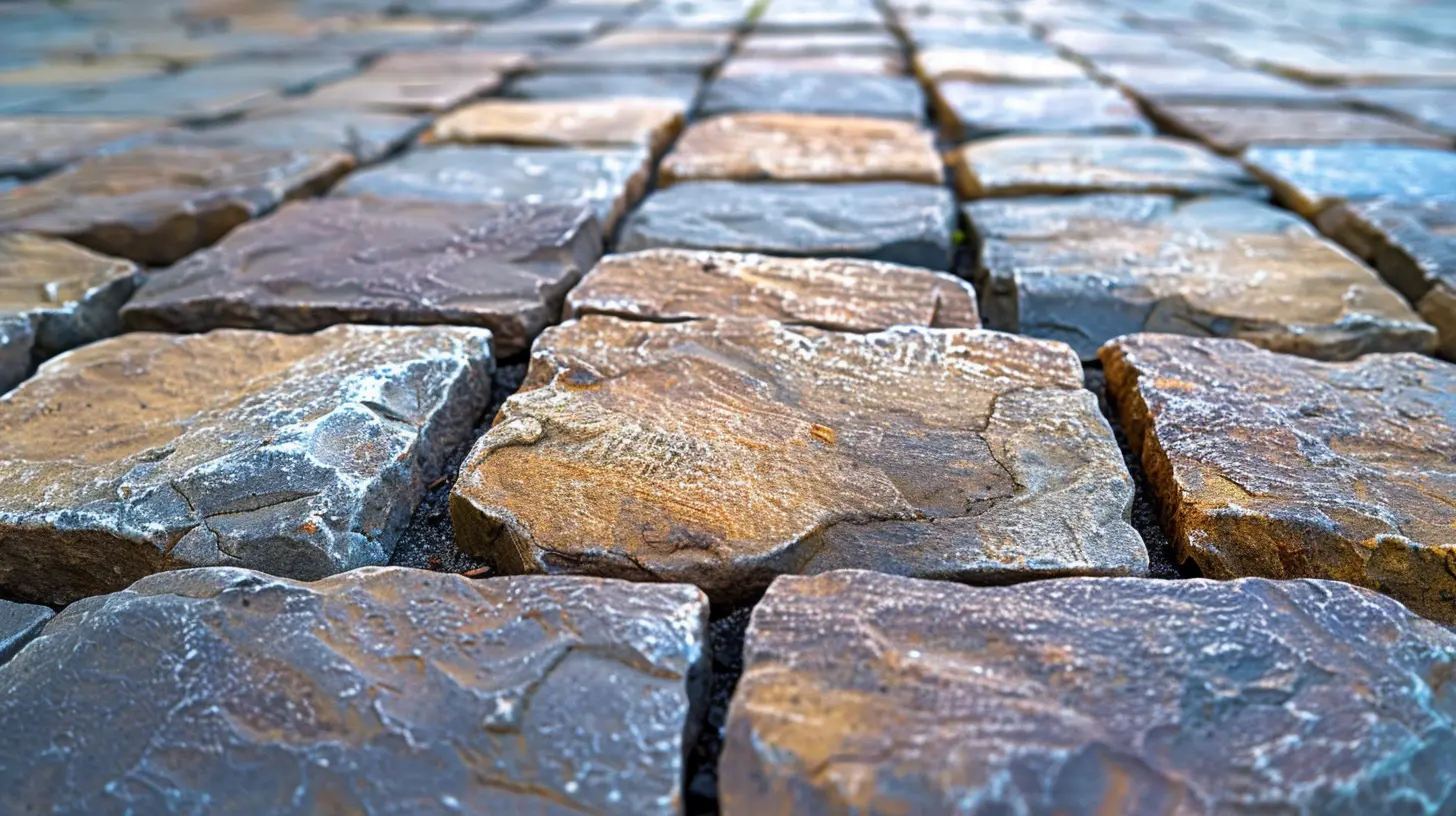
Why Pavers Matter for a Front Yard Upgrade
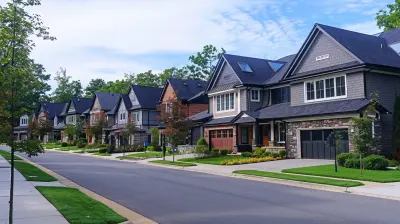
Your front yard is the first thing people see when they approach your home. It sets the tone for your entire property. Pavers help define that space, making it look polished, inviting, and well-maintained. They’re more than just decorative elements—they provide a solid foundation for walkways, driveways, and patios while making maintenance a breeze.But here’s the deal: not all pavers are created equal. Some are designed for heavy-duty use, while others are better for decorative spaces. So before you dive in, let's look at the factors that will help you make the best choice. 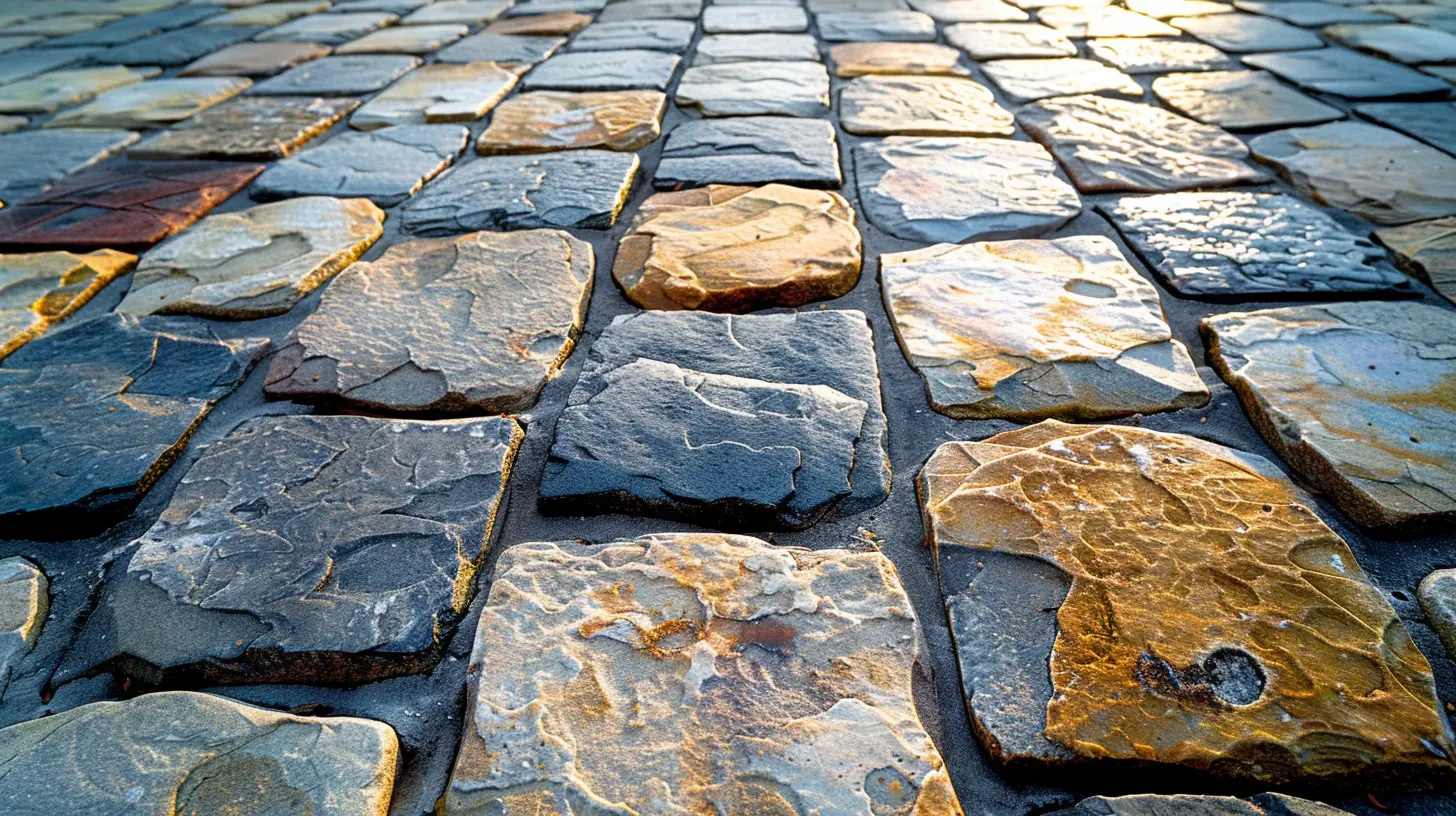
Factors to Consider When Choosing Pavers
1. Material Options: What’s the Best Choice?
Pavers come in a variety of materials, each with its own pros and cons. The right one for your yard depends on aesthetics, durability, and function.Brick Pavers
Brick pavers offer a classic, timeless look that works well with both modern and traditional homes. They’re made from natural clay and are extremely durable.✔ Pros:
- Long-lasting and environmentally friendly
- Rich color that doesn’t fade when exposed to sunlight
- Low maintenance
✖ Cons:
- Can be more expensive than other options
- Limited in color variety
- Prone to chipping in high-traffic areas
Concrete Pavers
If you’re looking for versatility, concrete pavers are a fantastic choice. They come in various shapes, sizes, and textures, mimicking the look of natural stone or brick at a lower cost.✔ Pros:
- Budget-friendly
- Easy to install and replace
- Available in an array of colors and styles
✖ Cons:
- Can crack over time
- Color may fade after prolonged sun exposure
Natural Stone Pavers
Want to add a luxurious feel to your front yard? Natural stone pavers, such as granite, limestone, and travertine, offer an upscale look with unique textures and patterns.✔ Pros:
- Extremely durable and long-lasting
- Adds natural beauty and uniqueness
- Slip-resistant
✖ Cons:
- Higher cost compared to brick or concrete
- Requires professional installation
- Can be difficult to cut and shape
2. Cost vs. Durability: Finding the Sweet Spot
Budget plays a huge role in your decision, but don’t compromise quality for the sake of saving a few bucks. Brick and natural stone tend to be more expensive but offer longevity, while concrete is cost-effective but may need more maintenance over time.A good rule of thumb? If your pavers will be in a high-traffic area (driveway or walkway), invest in durability. It’ll save you money on repairs and replacements in the long run.
3. Paver Shapes and Patterns: Elevate Your Design
The shape and layout of your pavers can completely transform how your front yard looks. Here are some popular patterns to consider:- Herringbone – Classic, elegant, and perfect for high-traffic areas due to its interlocking strength.
- Basket Weave – Great for creating a vintage, old-world charm.
- Running Bond – Simple yet stylish, excellent for making your space look longer or wider.
- Random Layout – Offers a more natural, organic feel, ideal for rustic or contemporary designs.
Remember, the layout you choose affects both aesthetics and structural integrity. Some patterns provide better stability, making them more suitable for driveways, while others are purely decorative.
4. Color Selection: The Right Hue for Your Home
Color isn’t just about aesthetics—it impacts how the space feels. Light-colored pavers reflect heat, keeping surfaces cooler, while darker tones add warmth and contrast.When selecting colors:
✔ Match with Your Home’s Exterior: Complement the colors of your house, siding, or roof for a cohesive look.
✔ Consider Climate: Light colors work best in hot areas, while darker tones add depth in cooler regions.
✔ Mix and Match: Combine different shades to create a dynamic, visually appealing design.
5. Maintenance and Longevity: Plan for the Long Haul
How much effort are you willing to put into upkeep? While all pavers require some care, certain types demand more maintenance than others.- Brick and natural stone need occasional sealing to preserve their color and prevent moss growth.
- Concrete pavers benefit from sealants to reduce fading and cracking.
- All pavers require regular sweeping, washing, and weed prevention to stay fresh and clean.
If easy maintenance is a priority, opt for concrete pavers, as they require the least upkeep. 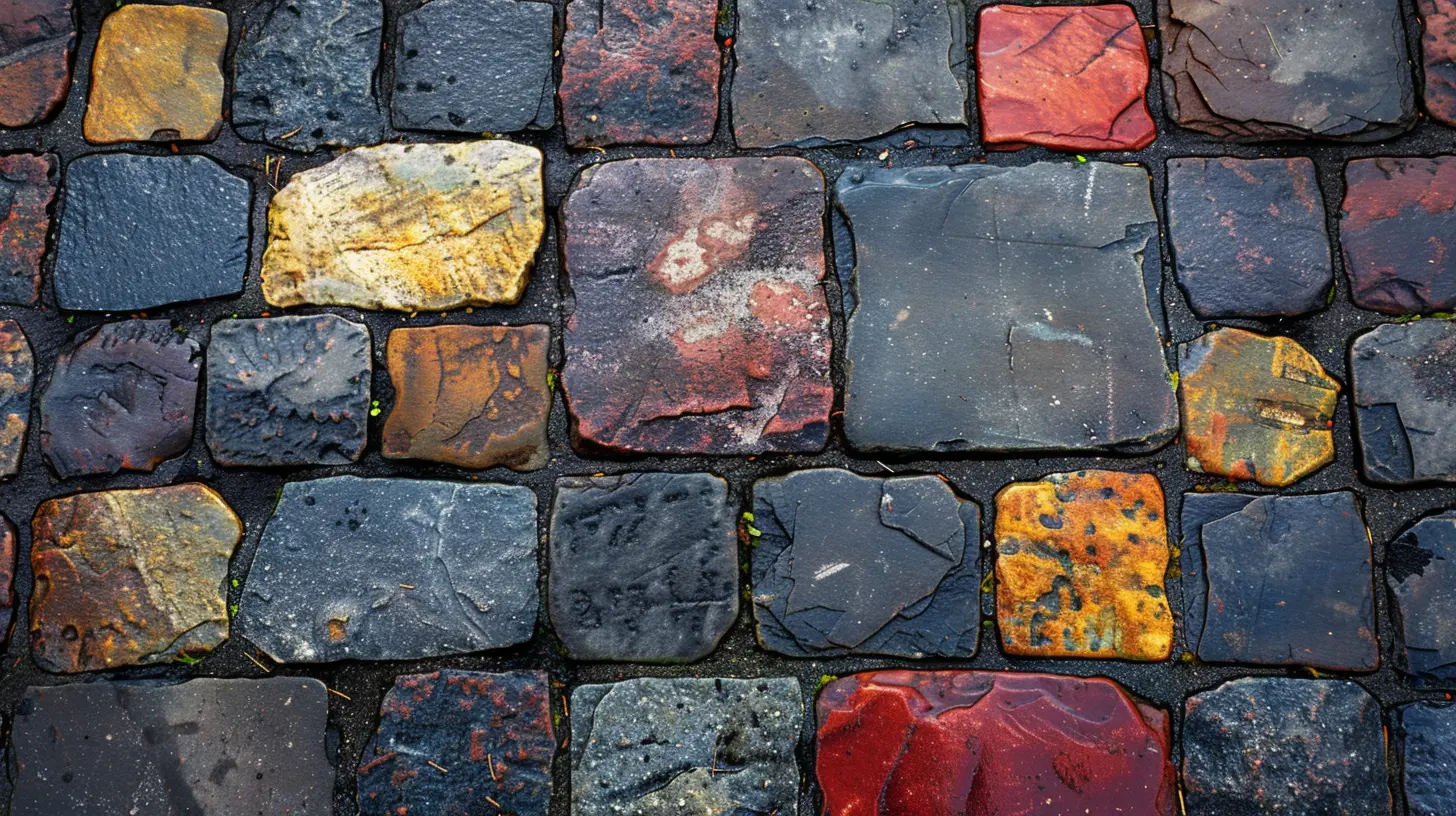
Installation: DIY or Hire a Pro?
Now that you have a better idea of your paver options, it's time to decide on installation. Should you roll up your sleeves and DIY, or call in the pros?✅ DIY Installation: If you're working with a small walkway or patio, installing pavers yourself is doable if you’re up for the challenge. You'll need a level surface, good edging, and the right tools to get the job done.
? Professional Installation: For large-scale projects or intricate patterns, it's best to hire a professional. They’ll ensure proper drainage, stability, and flawless execution. Keep in mind that hiring a pro adds to the cost, but it guarantees long-lasting results. 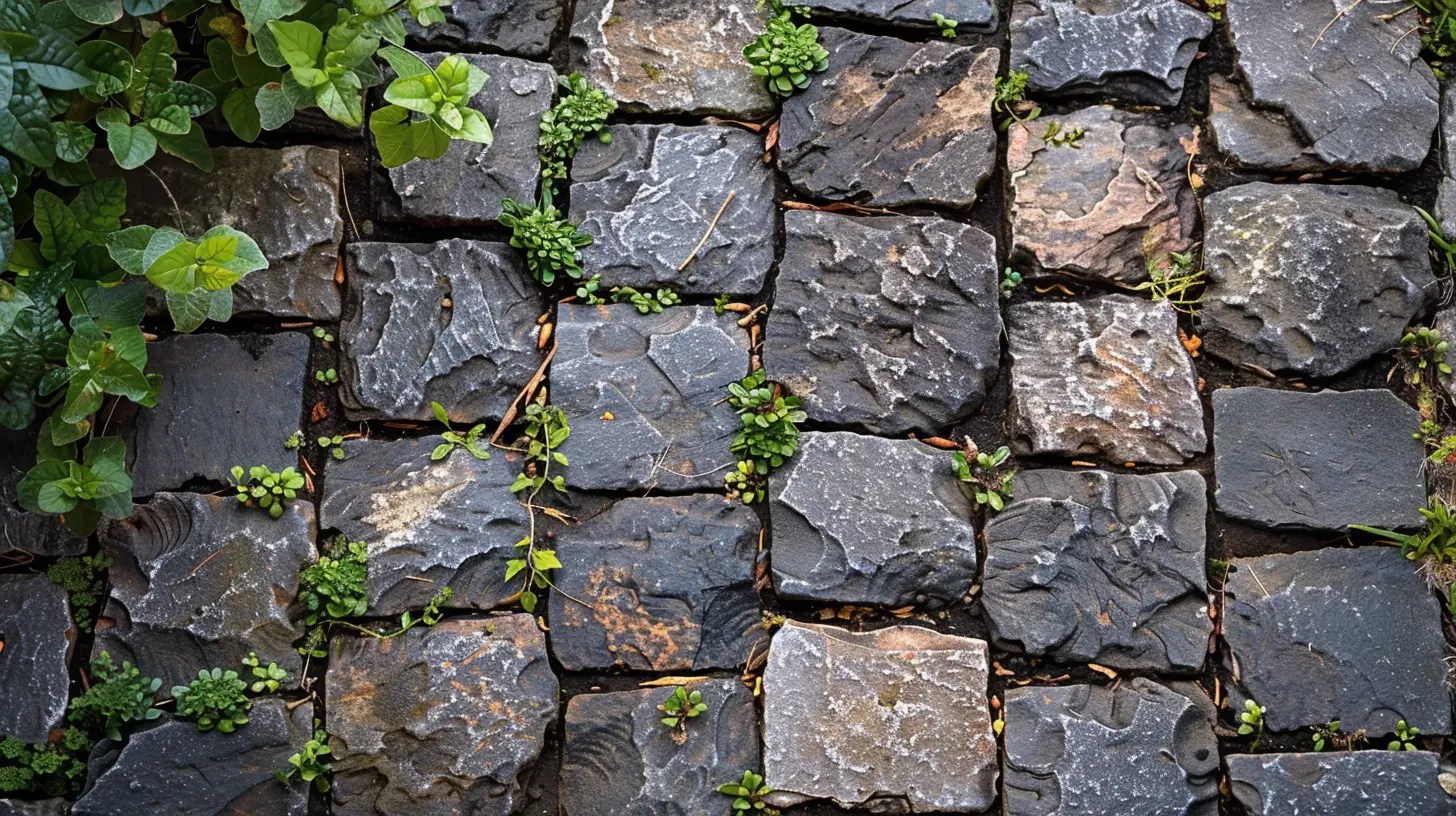
Final Thoughts: Choosing Pavers That Elevate Your Front Yard
Selecting the right pavers for your front yard upgrade is more than just picking a color and material—it’s about balancing beauty, durability, and functionality. Whether you go with brick for classic charm, concrete for versatility, or natural stone for a high-end look, your choice will define your home’s first impression.Think about your budget, maintenance needs, and the long-term vision for your property. With the right pavers, your front yard transformation will not only look stunning but also increase your home's value instantly.
So, are you ready to make your front yard the envy of the neighborhood? Let’s get started!
all images in this post were generated using AI tools
Category:
Curb AppealAuthor:

Cynthia Wilkins
Discussion
rate this article
1 comments
Axel Roberts
Choosing the right pavers is like picking the right pair of shoes for a first date. You want something that looks good, feels comfy, and won't leave you stuck in the mud when it counts... literally.
July 9, 2026 at 12:06 PM