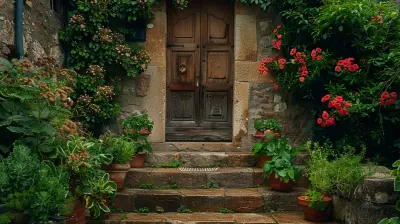
Selling a Historic Home: Unique Challenges and Opportunities
7 January 2026
Selling a historic home is not like selling any ordinary house. There’s a different kind of charm, a unique story, and a deep sense of nostalgia tied to historic properties that can make the process both rewarding and challenging. If you’re thinking about putting your vintage beauty on the market, you need to be prepared for the journey ahead.
From navigating preservation regulations to finding the right buyers who appreciate the charm of the past, selling a historic home requires a well-thought-out strategy. But with the right approach, it can also present incredible opportunities. Let’s break it all down so you can make the most of your historic home sale. 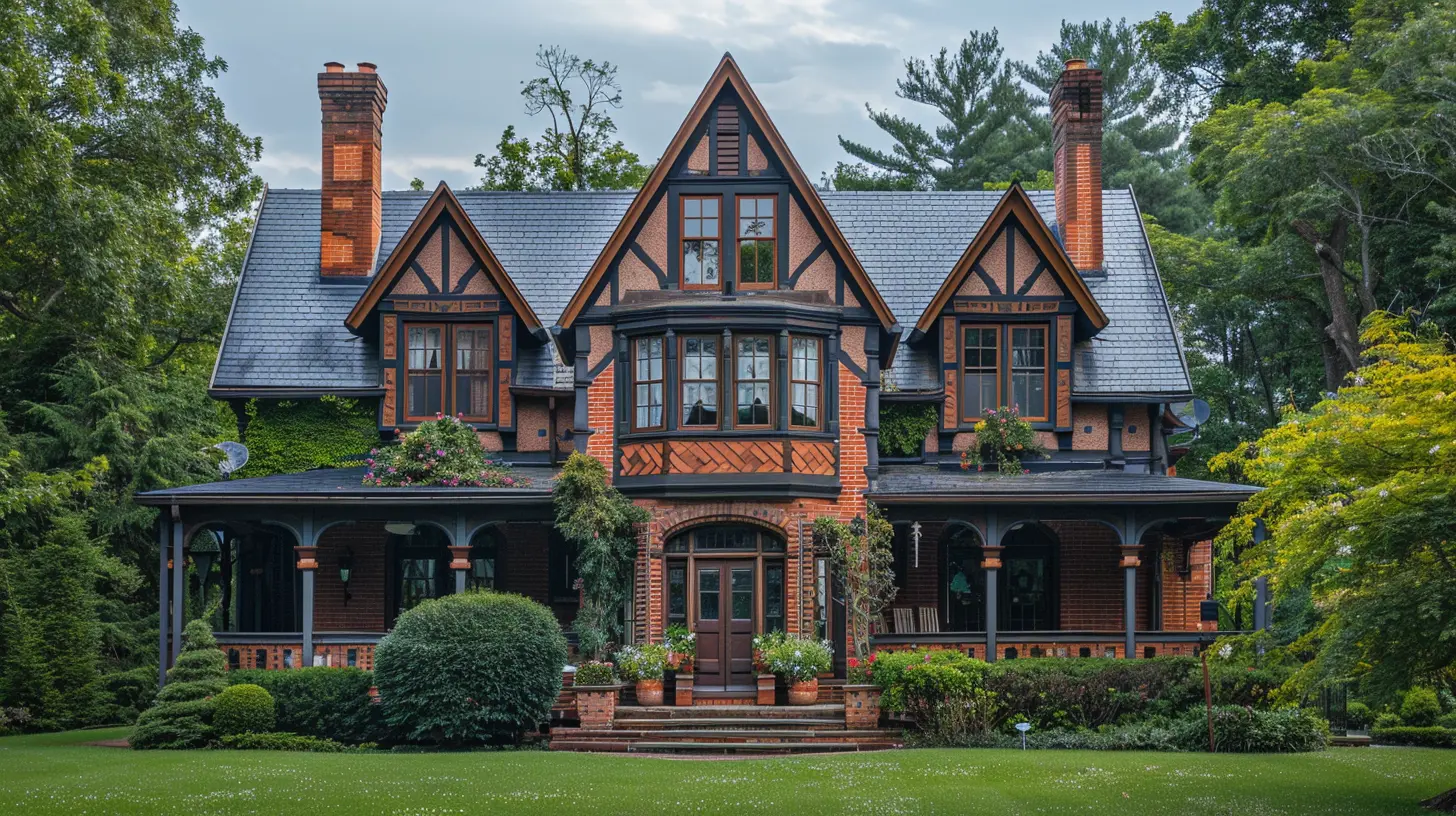
Understanding What Makes a Home “Historic”
Before we dive into the nitty-gritty of selling, let’s clarify what actually qualifies a home as “historic.”A house isn’t considered historic just because it’s old. Typically, a home must meet certain criteria to earn this designation. These can include:
- Age: Usually, a home needs to be at least 50 years old to be considered for historic status.
- Architectural Significance: Does your home represent a specific era, style, or architect? If so, it may qualify.
- Historical Significance: If your home was once owned by a prominent figure or played a role in a major historical event, it might be deemed historic.
- Official Recognition: Some homes are placed on the National Register of Historic Places or receive local historic designations.
If your home fits one or more of these categories, congratulations—you own a piece of history! Now, let’s talk about what that means for the selling process. 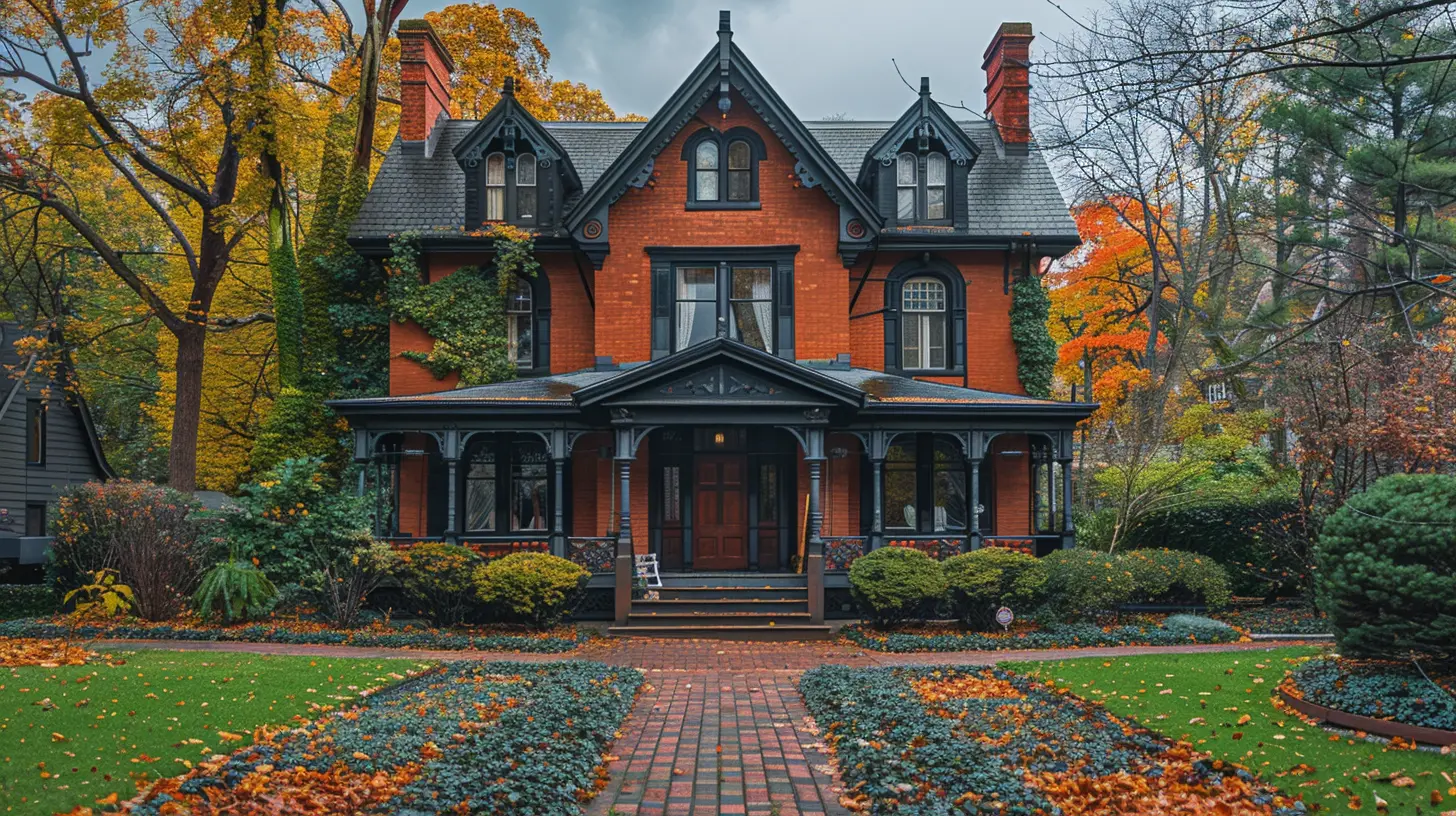
The Unique Challenges of Selling a Historic Home
Selling a historic home is not without its hurdles. From regulations to restoration concerns, there are a few bumps in the road that you should be aware of before listing your property.1. Strict Preservation Rules and Regulations
One of the biggest challenges is dealing with preservation laws and restrictions. Many historic homes come with guidelines that dictate what changes can and cannot be made to the property.For example, if your home is on the National Register of Historic Places or located in a historic district, you may not be able to make major alterations without approval. This can make renovations tricky for potential buyers who want to modernize the space.
💡 Tip: Work with local historic preservation societies or city officials to understand the guidelines before you list your home.
2. Higher Maintenance Costs
Let’s be real—older homes require more upkeep. From restoring aging woodwork to repairing antique plumbing, maintaining a historic property can be a costly endeavor.Many buyers may be intimidated by the possibility of costly repairs, which means you need to be upfront about the home’s condition.
💡 Tip: Consider getting a pre-listing home inspection to identify any potential issues before buyers do. This can help you set a realistic price and avoid surprises down the road.
3. Finding the Right Buyer
Not everyone is interested in owning a piece of history. Some buyers prefer modern homes that don’t require as much maintenance or restoration.Selling a historic home means targeting a niche market. You need to find someone who not only appreciates the home’s character but is also willing to preserve it.
💡 Tip: Market your home strategically by highlighting historical features, unique architecture, and the story behind the house.
4. Appraisal Complications
Valuing a historic home can be tricky. Standard appraisals often don’t take into account the charm, historical significance, and craftsmanship of older homes.Since there may be fewer comparable sales (comps) in the area, determining an accurate price can be a challenge.
💡 Tip: Hire an appraiser who specializes in historic properties to ensure your home is priced fairly. 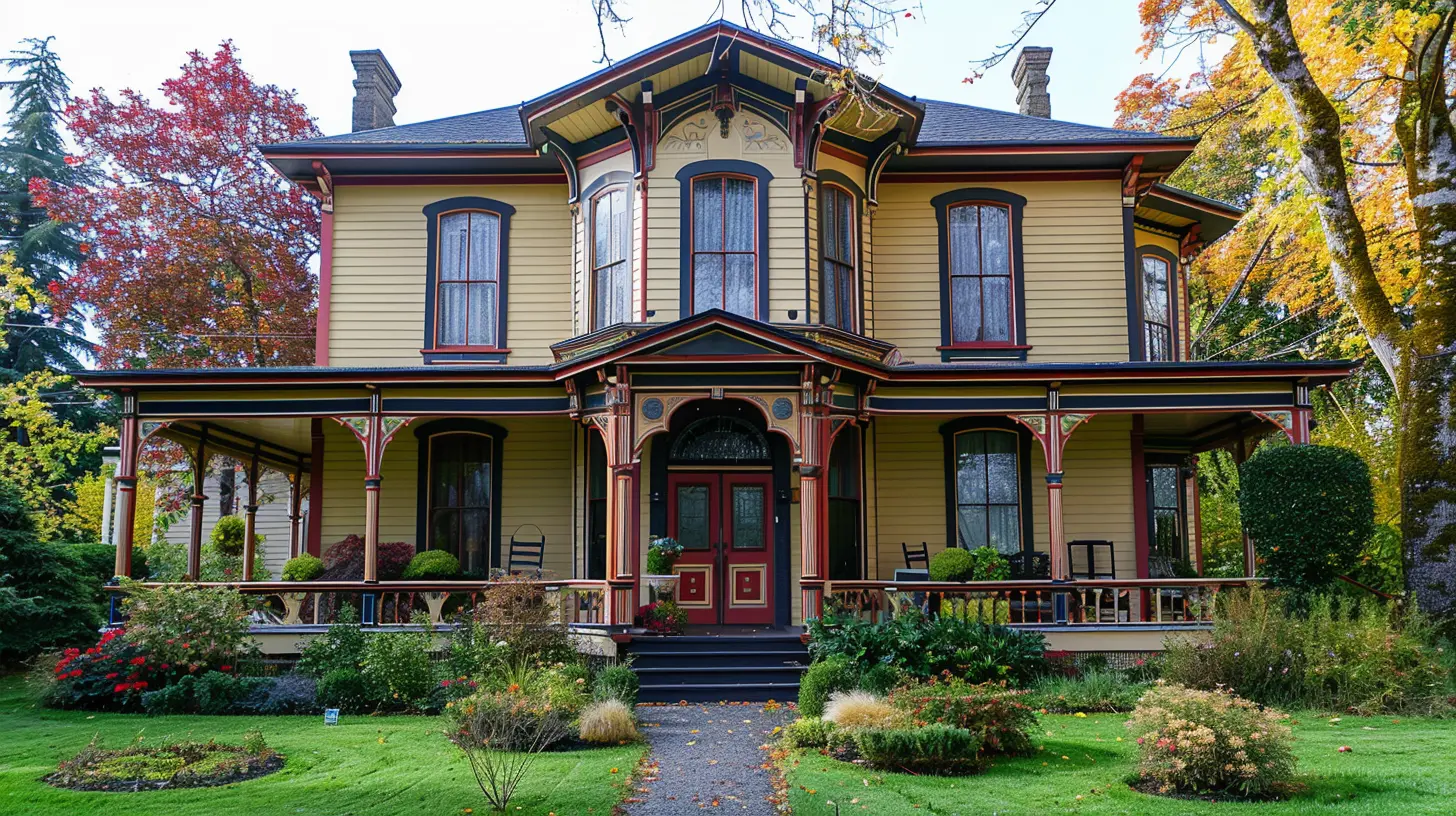
The Opportunities of Selling a Historic Home
While there are challenges, selling a historic home also comes with some exciting opportunities. In fact, the unique charm of these homes can make them highly desirable for the right buyers.1. Unique Charm and Character
Let’s face it—modern homes just don’t have the same craftsmanship. From intricate moldings to original hardwood floors, historic homes have details that can’t be replicated.Buyers who appreciate the artistry and timeless appeal of older homes are often willing to pay a premium for these one-of-a-kind properties.
💡 Tip: Highlight unique features like original fireplaces, stained glass windows, or custom woodwork in your listing photos and descriptions.
2. Potential for Tax Incentives
Did you know that owning a historic home may come with financial perks? Some cities and states offer tax credits or incentives for owners who commit to preserving historical properties.These perks can be a major selling point for buyers who may otherwise be hesitant about the costs associated with maintaining a historic home.
💡 Tip: Research any available historic tax credits in your area and promote them in your listing.
3. Strong Sense of History and Community
Historic homes are often located in well-established neighborhoods with a strong sense of community. Many buyers are drawn to the uniqueness and prestige of owning a home with a rich past.💡 Tip: If your home has an interesting backstory, include it in your marketing materials! Buyers love a good story, and knowing that the home has a rich history can make it even more appealing.
4. Higher Resale Value Over Time
While historic homes may take longer to sell, they often appreciate in value more than standard properties. Their uniqueness and limited availability can make them a strong long-term investment.💡 Tip: Present your home as an investment opportunity by highlighting its increasing value over the years. 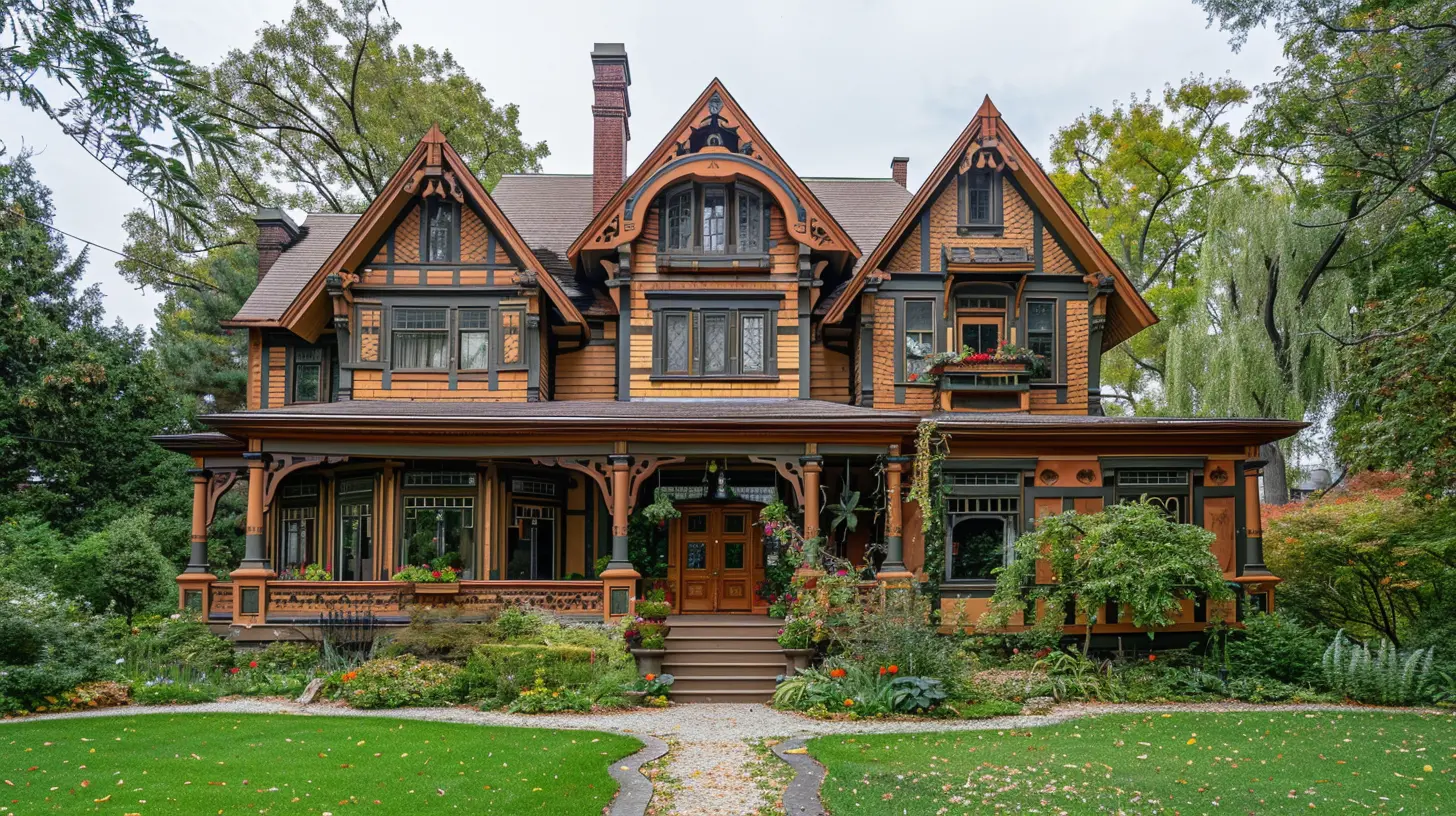
How to Successfully Sell Your Historic Home
Now that we’ve covered the challenges and opportunities, let’s talk about strategy. Here are some key steps to ensure a successful sale:1. Work with a Real Estate Agent Experienced in Historic Homes
Not all real estate agents understand the complexities of selling a historic property. Look for an agent who has experience marketing and selling homes with historical significance.2. Stage Your Home to Highlight Its Best Features
Rather than covering up history, embrace it. Use vintage-style décor that complements the home’s era, and play up architectural details.3. Invest in Professional Photography
A historic home’s charm won’t shine in low-quality photos. Hire a photographer who specializes in capturing details like craftsmanship, lighting, and unique features.4. Be Transparent About Maintenance and Restrictions
Buyers need to know exactly what they're signing up for. Be upfront about any preservation restrictions or required maintenance the home might need.5. Market Your Home Strategically
Utilize online platforms, social media, and even historic home-focused websites to attract the right buyers. Include plenty of high-quality images and highlight the home’s backstory.Final Thoughts
Selling a historic home is not just a transaction—it’s like passing down a legacy. While there may be some extra hoops to jump through, the right buyer will recognize and appreciate the charm, history, and irreplaceable character of your home.By understanding the challenges, embracing the opportunities, and using smart selling strategies, you can find the perfect owner who will cherish your home for years to come.
If you’re ready to sell your historic home, take your time, plan strategically, and most importantly—celebrate the history your home holds.
all images in this post were generated using AI tools
Category:
Home Selling TipsAuthor:

Cynthia Wilkins
Discussion
rate this article
2 comments
Carter McAdams
Selling a historic home is more than a transaction; it's a journey through time. Embrace the unique challenges as opportunities to showcase the rich stories and character within, turning potential buyers into passionate stewards of history.
January 24, 2026 at 4:36 AM
Cynthia Wilkins
Absolutely! Selling a historic home indeed invites us to share its stories, transforming challenges into opportunities that connect buyers with its unique heritage.
Fenris Kline
Preserving charm enhances value; buyer education is crucial.
January 7, 2026 at 5:53 AM
Cynthia Wilkins
Thank you for highlighting the importance of charm and buyer education—it’s essential for showcasing the true value of historic homes!