The Economic Advantages of Sustainable Housing
8 January 2026
Hey there, homeowner hopefuls and curious minds! 💚
Have you ever thought about how your home could actually save you money, instead of just draining your bank account every month? That’s not a fantasy—it’s the real deal when it comes to sustainable housing.
Yep, we’re talking about homes that are good for the planet and your wallet. And no, you don’t need to live off the grid in a solar-powered treehouse (unless that’s your thing—hey, no judgment!). Sustainable housing has gone mainstream, and it’s changing the way we think about homeownership and investing in property.
In this blog post, we’re diving deep—like deep-sea diving kind of deep—into the economic advantages of sustainable housing. So, grab your favorite cup of coffee, get cozy, and let’s chat about how going green could mean putting more green in your pocket. 🌱💵
What Is Sustainable Housing, Anyway?
Before we jump into the dollar signs, let’s quickly break down what sustainable housing really is. Simply put, it’s housing designed, built, and operated in a way that reduces its environmental impact. This includes:- Energy-efficient systems (think smart thermostats and LED lights)
- Proper insulation to keep your home comfy and cut heating/cooling costs
- Eco-friendly materials like bamboo flooring or recycled steel
- Water-saving features like low-flow toilets and rainwater harvesting
- Renewable energy sources like solar panels
In other words, it’s about building smarter—not just bigger or flashier.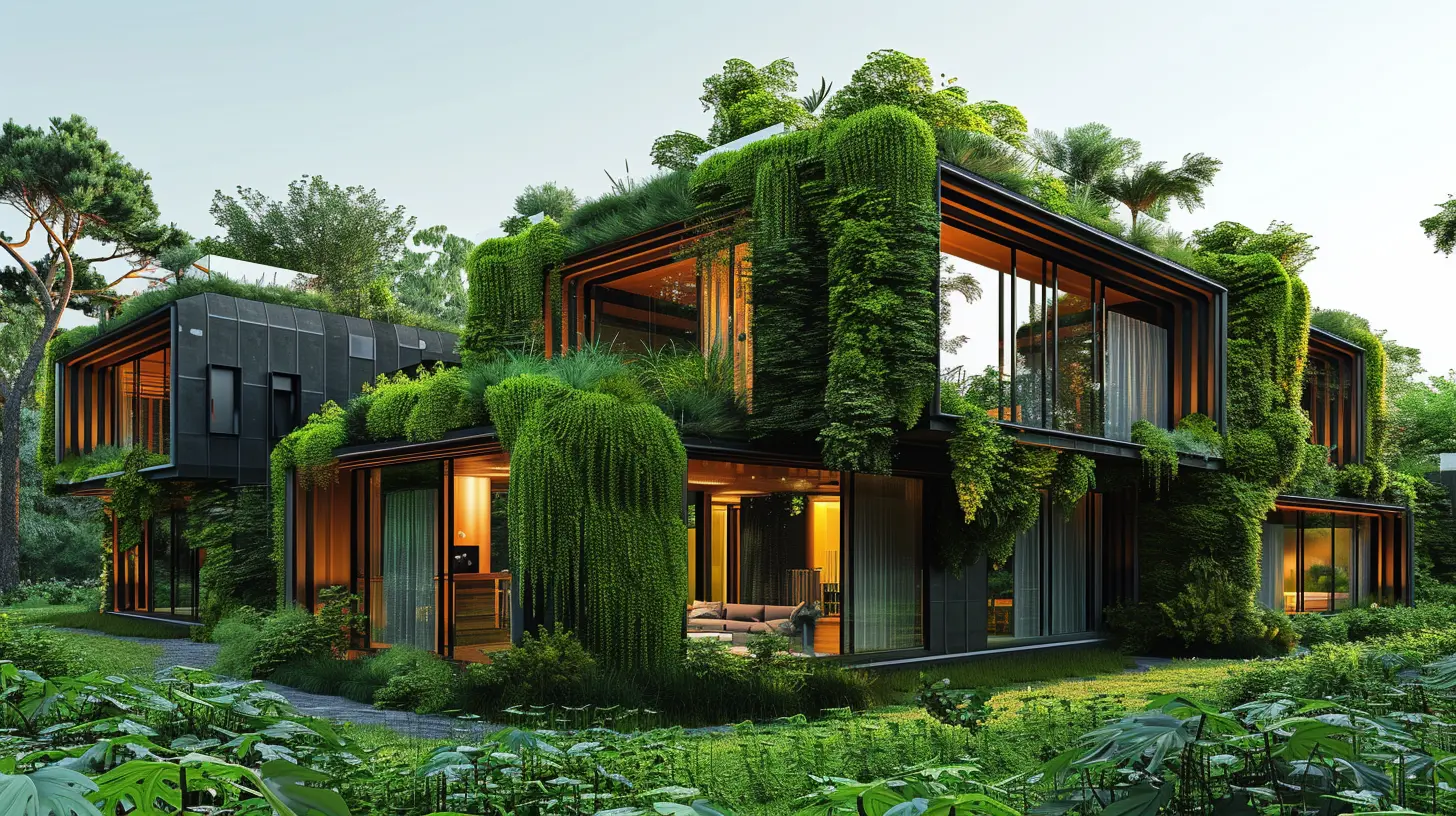
Lower Utility Bills (Say Goodbye to Energy Bill Shock!)
Let’s kick things off with something we all care about: monthly bills. 💸If you’ve ever gasped at your electric bill after a brutal summer or winter, you’re not alone. Traditional homes can be energy hogs, especially older ones. But sustainable homes? Oh boy, they’re the lean, green, energy-saving machines.
With better insulation, smart design, and renewable energy systems like solar panels, you can slash those utility bills in half—or more. Some homeowners even end up generating more energy than they use and sell it back to the grid. Cha-ching!
Real-Life Example
Let's say your average monthly power bill is around $200. That’s $2,400 a year. By switching to energy-efficient appliances and incorporating solar power, you could reduce that to $50 or even zero. Over 10 years, that's easily $20,000+ saved. Not bad, right?
Increased Property Value (Eco = Extra $$)
Buyers are getting a whole lot savvier. Many people are now actively looking for homes with green features. Why? Because they know it’ll save them money in the long run.That demand boosts your home’s resale value. 🏡💰
According to multiple studies, homes with green certifications (like LEED or Energy Star) sell for a premium—often 3% to 10% more than similar non-certified homes. So when you invest in sustainable upgrades today, you’re not just helping the environment… you’re future-proofing your finances too.
Bonus: Faster Sales
Green homes don’t just sell for more—they also sell faster. Since more buyers are eyeing eco-friendly options, your property could spend less time sitting on the market and more time making you money.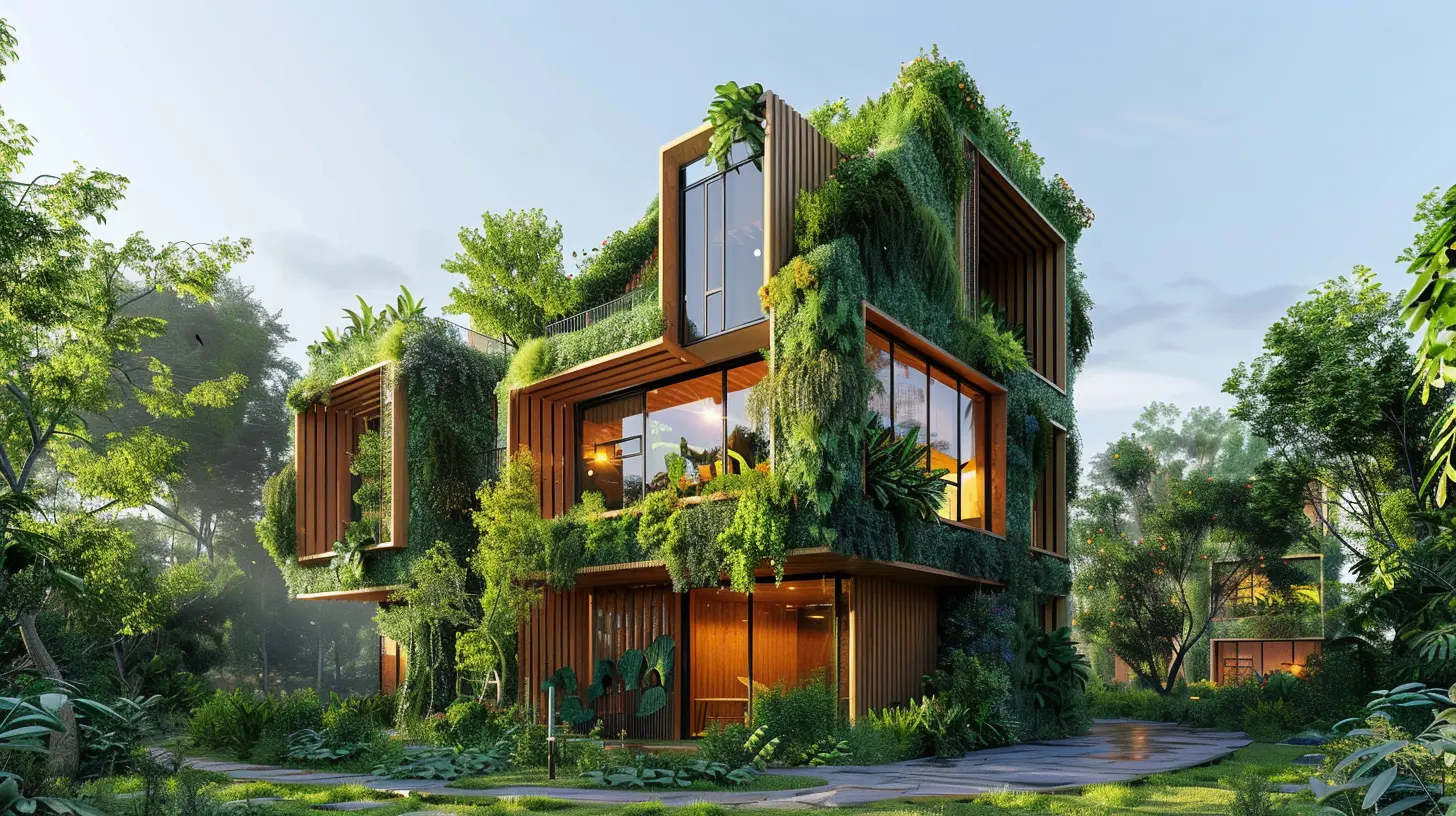
Tax Incentives & Government Programs (Let Uncle Sam Help)
Here’s where things get really fun. Governments LOVE sustainable housing, and to encourage it, they offer all kinds of incentives:- Federal tax credits for solar panel installations
- Local rebates for energy-efficient appliances
- Property tax reductions for certified green homes
- Low-interest financing for eco-friendly improvements
Basically, going green could open the door to money-saving programs you didn’t even know existed. Think of it like a treasure chest of tax goodies just waiting to be unlocked.
Quick Tip
Head over to websites like DSIRE (Database of State Incentives for Renewables & Efficiency) to find out what’s available in your area. You might be pleasantly surprised!Construction & Maintenance Savings (Green = Lean)
Sustainable housing often uses materials that are more durable and longer-lasting than traditional ones. Which means—yep, you guessed it—less money spent on repairs and upkeep.For example, a metal roof made from recycled steel can last up to 50 years. That’s twice the lifespan of traditional asphalt shingles. And bamboo flooring? Super strong and naturally resistant to pests.
Plus...
Sustainable homes are built smarter from the start. That means fewer issues with mold, poor ventilation, or other pesky problems that can lead to costly fixes down the line. Your house stays healthy, and so does your bank account.Better Mortgage Terms (Yep, Banks Like Green Too)
Believe it or not, some mortgage lenders now offer better terms for energy-efficient homes. These are usually called "green mortgages" or "energy-efficient mortgages" (EEMs), and they come with perks like:- Lower interest rates
- Higher borrowing limits
- Easier approval processes
Why? Because lenders see green homes as less risky. With lower utility costs and higher resale value, you're less likely to default on your loan. Everybody wins.
Healthier Living, Fewer Sick Days (More Time to Make Money!)
Okay, let’s step outside the dollar signs for just a sec.Sustainable homes often come with better air quality, natural lighting, and fewer toxic materials. That means fewer allergies, less asthma, and even better mental health for you and your family. And when you're feeling good, you're more productive—whether that’s at work or tackling your side hustle.
Fewer sick days = more money in your pocket. It’s the kind of indirect financial gain that really adds up over time.
Sustainable Rentals = Higher Income Potential
Are you a landlord or thinking about turning your home into a rental property? Here’s a juicy tidbit: green rentals command higher rents.Why? Tenants are willing to pay a premium for lower utility bills and healthier living spaces. Plus, eco-friendly properties often stand out more in crowded rental markets. So, that little solar panel investment? It could lead to higher monthly rent and longer-term tenants.
Talk about passive income the sustainable way.
Long-Term ROI You Can Actually Measure
Let’s break it down real quick. Here’s what you’re investing in when you go green:| Investment | Average Cost | Savings Over 10 Years |
|---------------------|--------------------|------------------------|
| Solar Panels | $10,000 - $20,000 | $20,000+ |
| Energy-Efficient HVAC | $5,000 - $8,000 | $10,000+ |
| Insulation Upgrade | $1,200 - $3,000 | $4,000+ |
| Low-Flow Water Fixtures | $500 - $1,000 | $2,000+ |
Not bad considering you’re also helping Mother Earth along the way, right?
Honestly, where else can you invest in something that boosts your quality of life and pays you back?
Easier Resale Process & Future Proofing
Let’s not forget that energy efficiency and sustainability are becoming the norm, not just a nice little extra. In the very near future, traditional homes without green features might actually be at a disadvantage in the housing market.By upgrading now, you’re staying ahead of the curve and ensuring that your property remains relevant and attractive to future buyers.
Think of it like buying a smartphone today versus a flip phone. Which one would you rather show off?
The Feel-Good Bonus (Because It Matters)
Sure, we’re talking numbers here—but let’s not forget that warm-and-fuzzy feeling that comes with doing something good.Sustainable housing helps reduce carbon emissions, conserves resources, and promotes healthier living environments. So every time you flip on your solar-powered light or notice how cozy your well-insulated room feels in the winter, you can give yourself a high five for making a difference.
It’s economics and ethics coming together in perfect harmony.
Final Thoughts: Time to Rethink What "Smart Spending" Looks Like
If you’re looking to buy, build, or even renovate a home, sustainable housing is hands-down one of the smartest investments you can make. The economic advantages are undeniable:✅ Lower energy bills
✅ Increased resale value
✅ Better financing options
✅ Tax incentives galore
✅ Healthier living
✅ Long-term savings
✅ Happier tenants (if you’re renting)
Sustainable homes aren't just a trend. They're the future of real estate. And that future? It’s looking greener—and richer—than ever.
So, what do you say? Ready to make your home your smartest financial move yet?
all images in this post were generated using AI tools
Category:
Sustainable HousingAuthor:

Cynthia Wilkins
Discussion
rate this article
2 comments
Ashley McNulty
Great insights! Highlighting sustainable housing’s economic benefits is crucial. It not only promotes environmental responsibility but also enhances property value and reduces long-term living costs for homeowners. Keep it up!
January 25, 2026 at 5:37 AM
Cynthia Wilkins
Thank you for your feedback! I'm glad you found the insights on sustainable housing's economic benefits valuable. It's vital to highlight both environmental and financial advantages.
Ariadne Cooper
Sustainable housing not only reduces environmental impact but also lowers long-term costs through energy efficiency, increasing property value and attracting eco-conscious buyers, benefiting both owners and the market.
January 8, 2026 at 11:33 AM
Cynthia Wilkins
Thank you for your insightful comment! You're absolutely right—sustainable housing offers significant long-term economic benefits by enhancing energy efficiency and property value while appealing to a growing market of eco-conscious buyers.