The Importance of Earnest Money in Real Estate Contracts
9 April 2026
When it comes to buying a home, there are many moving parts—negotiations, contracts, inspections, and financing, just to name a few. But one often-overlooked component that plays a crucial role in real estate transactions is earnest money. It might not be the most exciting part of the process, but trust me, it’s a big deal!
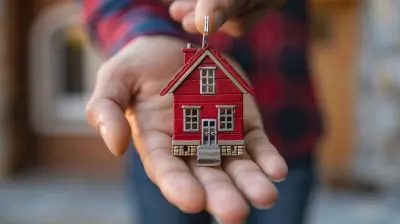
Think of earnest money as a handshake with financial backing. It shows the seller that you're serious about buying the property and helps keep the deal moving forward. But how much should you put down? And what happens if the deal falls through? Let’s break it all down.

What Is Earnest Money?
Earnest money is a good faith deposit made by a homebuyer to show the seller they are serious about purchasing the property. This deposit is typically held in an escrow account and later applied toward the down payment or closing costs.Without this deposit, sellers could be left hanging, unsure if the buyer is truly committed. That’s why most real estate contracts require earnest money—it protects both parties and keeps the transaction on track.

How Much Earnest Money Should You Put Down?
The amount of earnest money required varies depending on the market, location, and price of the home. However, a general rule of thumb is:- 1% to 3% of the home's purchase price in a balanced market
- Higher amounts (sometimes up to 10%) in competitive markets
For a $300,000 home, that means you could be looking at anywhere between $3,000 and $9,000 in earnest money. In hotter markets, where multiple buyers may be bidding on a property, a higher earnest money deposit can make your offer stand out.

Where Does Earnest Money Go?
Once you hand over the earnest money, it doesn't go directly to the seller. Instead, it’s typically held in an escrow account managed by a neutral third party—like a title company, real estate brokerage, or escrow company.This ensures that the seller doesn’t just run off with your money before the deal is finalized. When closing time comes, the earnest money is usually applied towards your down payment or closing costs.

Is Earnest Money Refundable?
This is where things get interesting! Earnest money can be refundable—but it depends on the terms set in your contract. Here are a few situations where you may get your money back:1. Financing Contingency
If your contract includes a financing contingency, you’re protected if your mortgage falls through. Say your loan application gets denied—if this contingency is in place, you can cancel the contract and get your earnest money back.2. Inspection Contingency
Let’s say a home inspection reveals major issues—like a faulty foundation or extensive mold damage. If your contract includes an inspection contingency, you can negotiate repairs with the seller or back out of the deal entirely without losing your earnest money.3. Appraisal Contingency
If the home doesn’t appraise for the agreed purchase price (and the seller won’t lower the price), an appraisal contingency allows you to walk away with your deposit intact.4. Seller Cancels the Deal
If the seller decides to back out for any reason—maybe they got a better offer or just changed their mind—you’ll definitely get your earnest money back.When Do You Lose Earnest Money?
Now, let’s talk about when you might kiss that money goodbye.1. Waiving Contingencies
Some buyers, especially in competitive markets, waive contingencies to make their offers more attractive. But this is risky—if something goes wrong (like financing falls through or a major issue is found during inspection), you could forfeit your earnest money.2. Backing Out for No Good Reason
If you simply get cold feet and change your mind about buying the home without backing it up with a contingency, the seller has a right to keep the earnest money as compensation for lost time and potential buyers.3. Missing Deadlines
Real estate contracts have strict deadlines. If you fail to secure financing, complete inspections, or meet any other deadlines outlined in the agreement, you might lose your earnest money.
Tips to Protect Your Earnest Money Deposit
Nobody wants to wave goodbye to thousands of dollars unnecessarily. Here are some ways to safeguard your earnest money:- Read the contract carefully. Know the contingencies and deadlines.
- Stick to the timeline. Missing deadlines could cost you.
- Use a reputable escrow company. Never give earnest money directly to the seller.
- Negotiate contingencies wisely. They protect your deposit.
- Get everything in writing. Any changes to the contract should be documented.
Earnest Money vs. Down Payment: What’s the Difference?
Many first-time homebuyers confuse earnest money with a down payment. While both involve putting up cash, they serve different purposes:| Factor | Earnest Money | Down Payment |
|--------|-------------|-------------|
| Purpose | Shows commitment to buy | Helps finance the purchase |
| Timing | Paid when contract is signed | Paid at closing |
| Refundable? | Sometimes, depending on contingencies | No, unless loan program allows |
| Amount | 1%-3% of the purchase price | Typically 10%-20% of the home price |
Final Thoughts
Earnest money is more than just a deposit—it’s a key player in real estate transactions that signals your seriousness as a buyer. It protects both you and the seller, ensuring that each party upholds their end of the deal.While losing earnest money is a possibility, it can often be avoided by understanding the contract, meeting deadlines, and including necessary contingencies. So, before you hand over that check, make sure you know exactly what you’re agreeing to!
Buying a home is one of the biggest financial decisions you’ll make, and earnest money is just one piece of the puzzle. Now that you know how it works, you can navigate the home-buying process with confidence and peace of mind.
all images in this post were generated using AI tools
Category:
Real Estate ContractsAuthor:

Cynthia Wilkins
Discussion
rate this article
2 comments
Hannah Blair
Earnest money is crucial in real estate. It shows the buyer's commitment and helps secure the deal. A well-considered amount can smooth negotiations and strengthen trust between both parties.
May 2, 2026 at 10:30 AM
Cynthia Wilkins
Thanks for your insights! Earnest money really does play a vital role in building trust and facilitating smooth negotiations. It's essential for a solid real estate deal.
Harley Vasquez
Great article! Earnest money is crucial in real estate deals, showing commitment and building trust. Your insights on its importance will definitely help buyers and sellers navigate the process effectively!
April 10, 2026 at 4:20 AM
Cynthia Wilkins
Thank you! I'm glad you found the insights helpful. Earnest money really does play a vital role in real estate transactions.