The Role of Circular Economy in Home Construction
14 February 2026
The way we build homes today is changing dramatically. With increasing concerns about sustainability, waste reduction, and environmental responsibility, the traditional take-make-dispose model of construction simply isn’t cutting it anymore. Enter the circular economy—a groundbreaking approach that could reshape the home construction industry for the better.
But what exactly is the circular economy, and how does it fit into home construction? Let’s dive into this game-changing concept and see why it’s the future of building.
What is the Circular Economy?
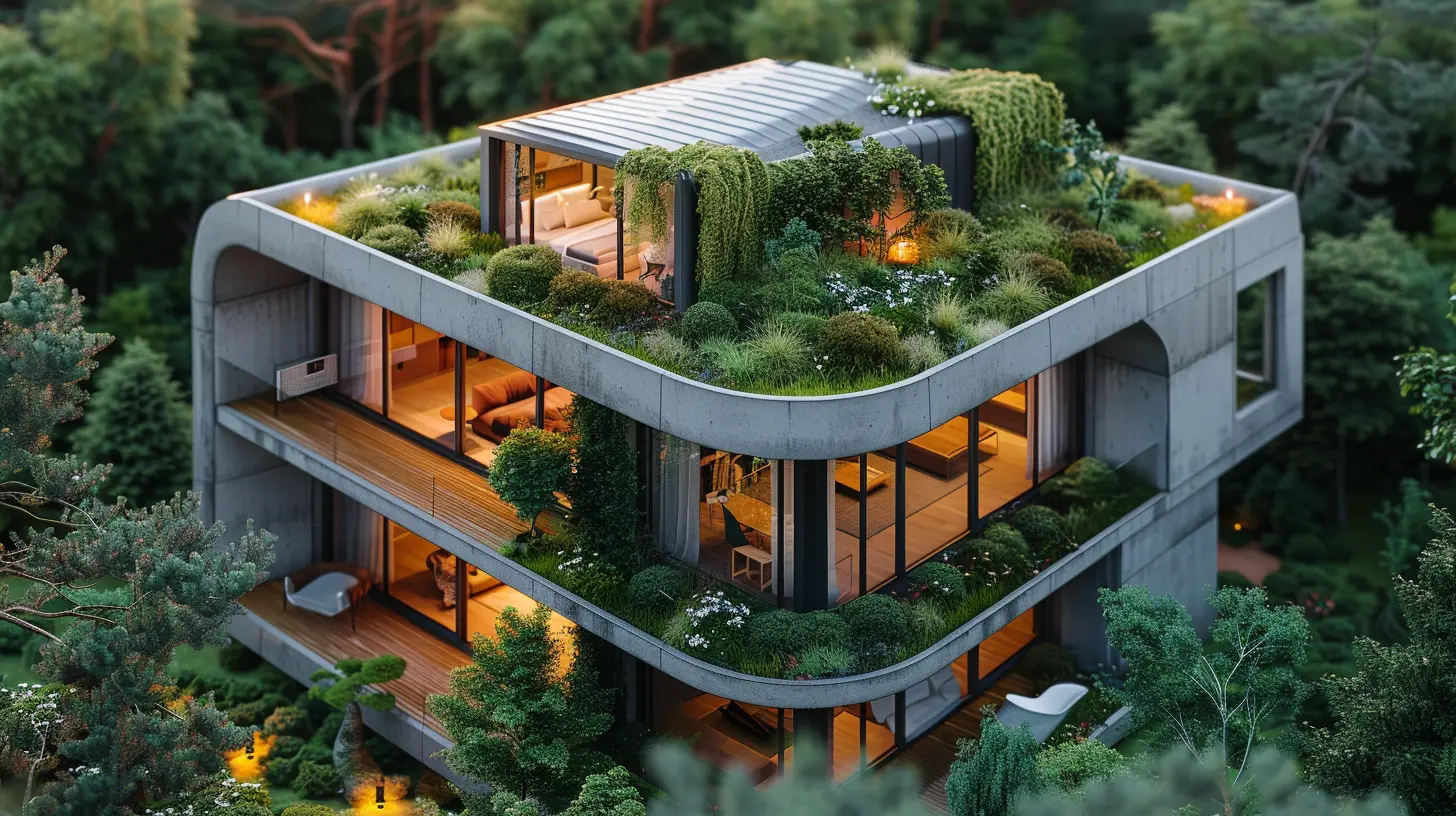
Imagine a world where nothing goes to waste—where materials are continuously reused, recycled, and repurposed rather than thrown away. That’s the essence of the circular economy. Instead of relying on virgin materials and producing massive amounts of waste, this approach keeps resources in use for as long as possible, minimizing environmental impact.The construction industry is notorious for waste. From excess building materials to demolished homes, a significant amount of construction debris ends up in landfills. The circular economy flips this script, ensuring that materials are designed to last, used efficiently, and repurposed rather than discarded.
Why the Circular Economy is Essential for Home Construction
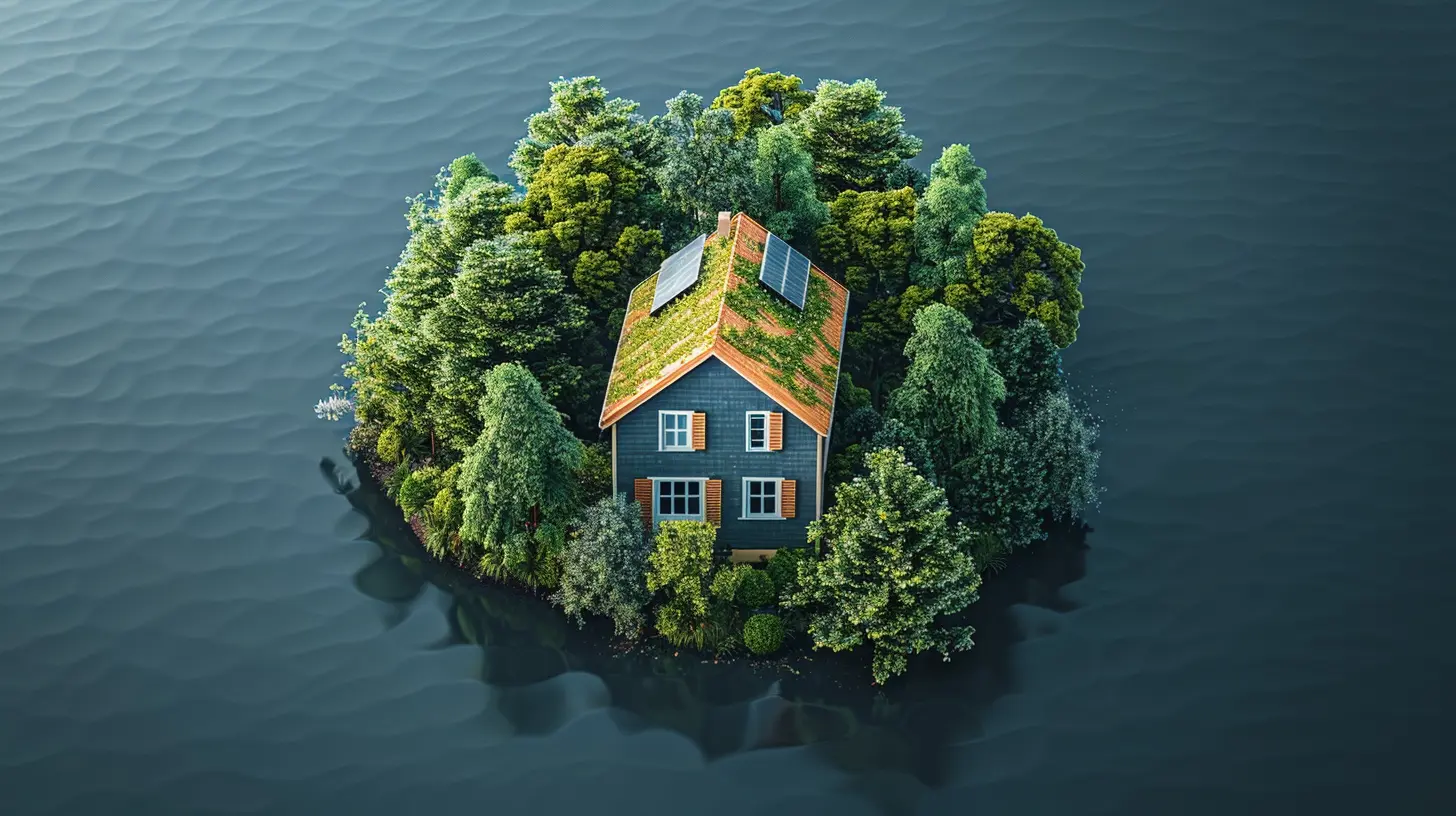
When it comes to building homes, the stakes are high. Resources like wood, concrete, and steel are not infinite, and the massive carbon footprint of traditional construction is contributing to climate change. Here’s why the circular economy isn’t just an option—it’s a necessity:- Reduces Construction Waste – By reusing materials, fewer leftovers clog up landfills.
- Lowers Carbon Footprint – Sustainable materials and energy-efficient processes mean fewer emissions.
- Conserves Natural Resources – Instead of depleting raw materials, we keep them in circulation.
- Cuts Costs – Reclaimed and recycled materials can significantly reduce expenses.
- Promotes Innovation – New building technologies and creative designs emerge from circular thinking.
With all these benefits, adopting a circular approach in home construction not only benefits the environment but also makes financial sense.
How Can Home Construction Implement the Circular Economy?
Shifting from a linear to a circular model isn’t something that happens overnight. It requires a change in mindset, materials, and methods. Here’s how the construction industry can embrace the circular economy:1. Use Sustainable and Recycled Materials
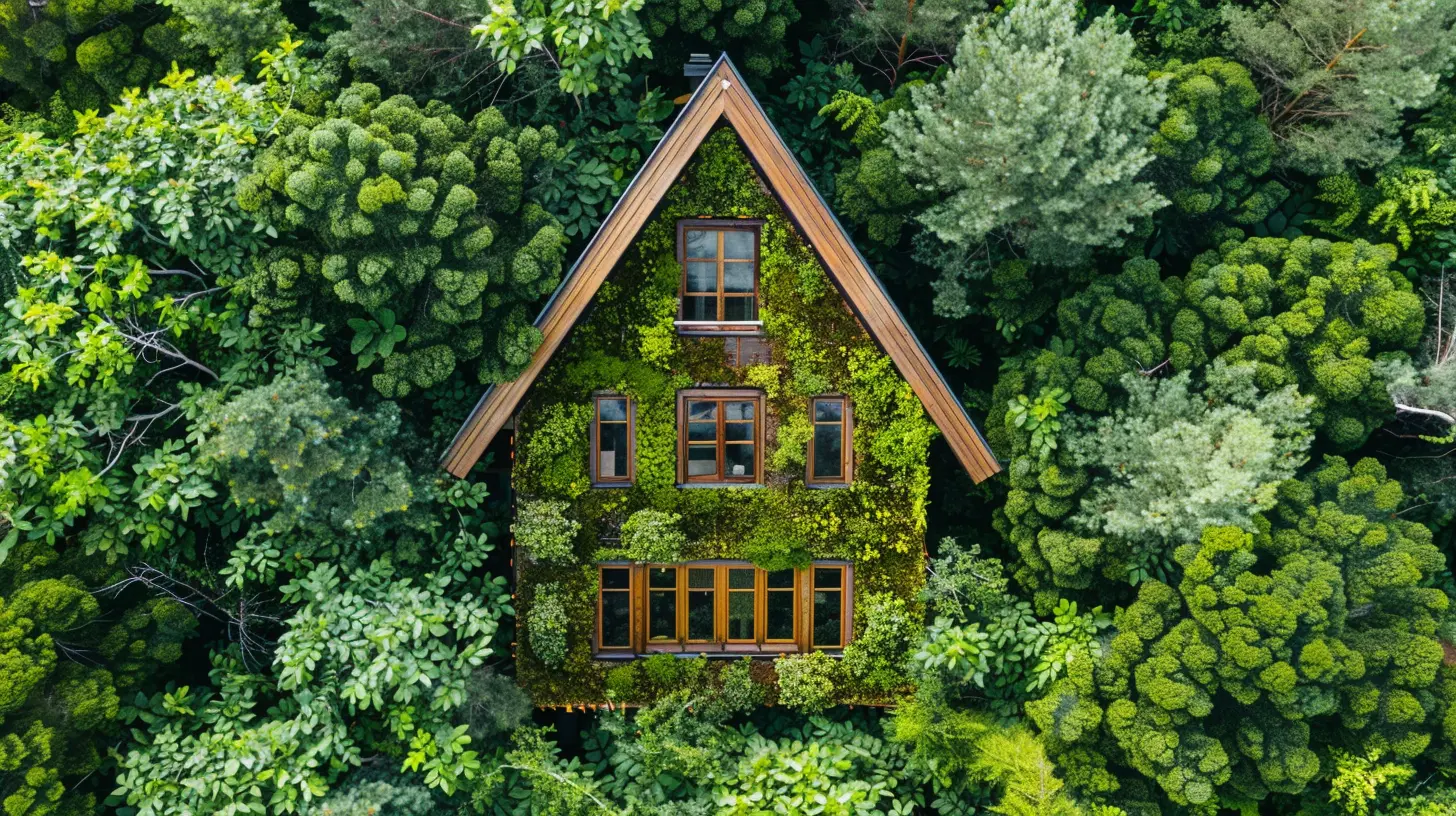
One of the simplest ways to integrate circular principles is by choosing materials that have a lower environmental impact. Think recycled steel, reclaimed wood, and repurposed bricks. These materials not only reduce waste but also bring character and history into a home.Another fantastic option? Bio-based materials, like bamboo and hempcrete, which are renewable and biodegradable. These alternatives provide durability while leaving a smaller carbon footprint.
2. Design for Disassembly
Most buildings are designed to be permanent, making it difficult to recover materials when a home is demolished. Enter designing for disassembly—a concept that allows homes to be taken apart piece by piece, so the materials can be reused rather than discarded.Think of it like LEGO bricks. If a home is built in a modular way, future renovations or deconstructions can save materials rather than waste them.
3. Extend the Life of Buildings
A core principle of the circular economy is making things last. In construction, this means building durable, adaptable, and easy-to-maintain homes.Simple choices—like using high-quality materials, providing better insulation, and choosing timeless designs—can extend the lifespan of a home, reducing the need for constant repairs and renovations.
4. Recycle and Repurpose Construction Waste
Instead of letting excess materials go to waste, contractors can find new uses for leftovers. Broken concrete can be ground into gravel. Scraps of wood can become fiberboard. Even old windows and doors can find new life in another home.Many construction companies are now partnering with salvage yards to give materials a second chance rather than sending them to landfills.
5. Incorporate Renewable Energy
Energy efficiency is a major part of circularity. Homes that generate their own power through solar panels, wind energy, and geothermal systems reduce reliance on fossil fuels.Additionally, smart home technology—like energy-efficient lighting, automated temperature controls, and water-saving systems—ensures that homes consume fewer resources while maintaining comfort.
The Future of Circular Homes
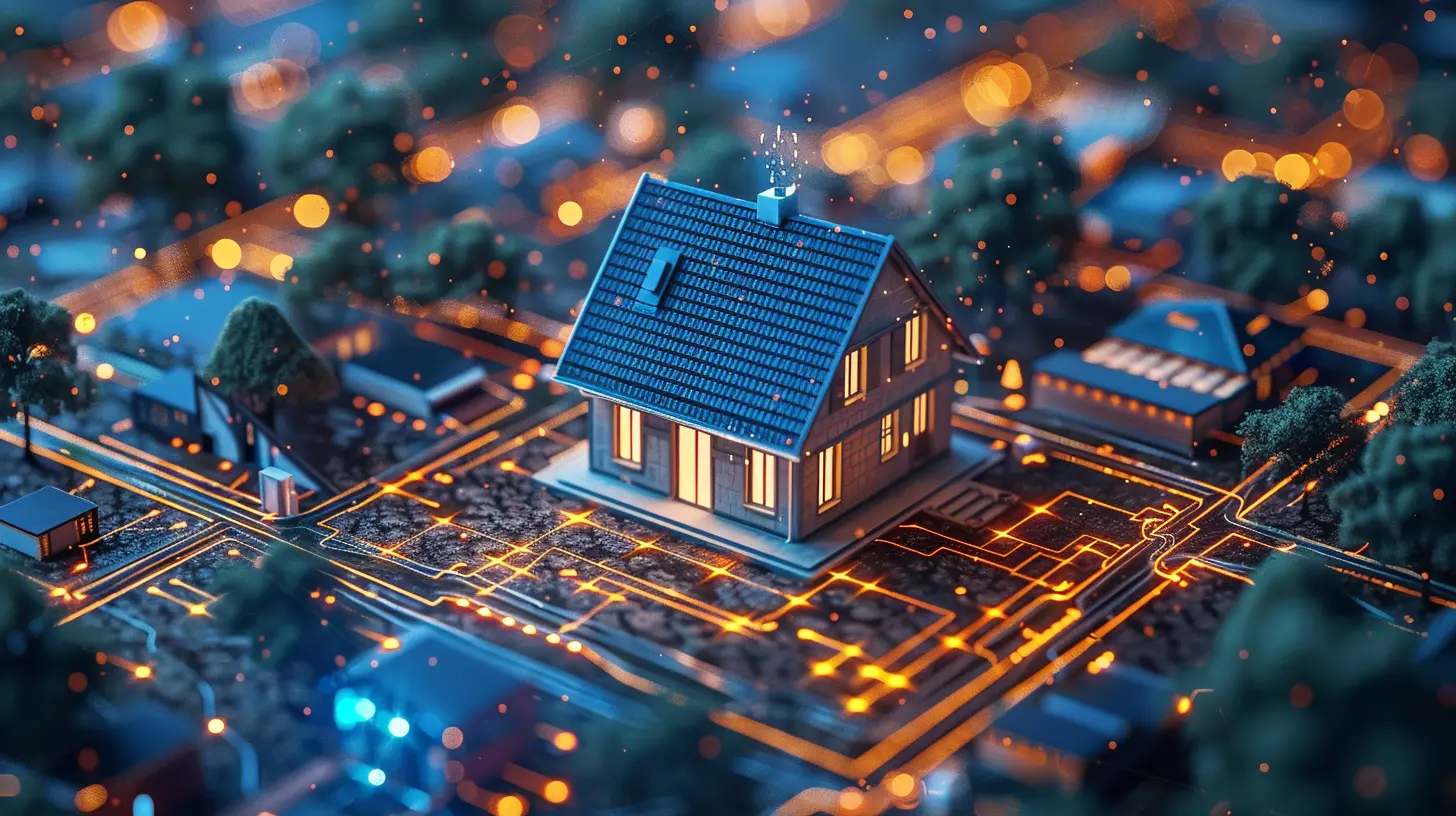
While the circular economy in home construction is still evolving, the future looks promising. Governments are offering incentives for sustainable building practices, and homebuyers are prioritizing eco-conscious designs more than ever.In the near future, we might see entire neighborhoods built on circular principles, where homes are made from renewable materials, reuse water efficiently, and generate their own energy. Some pioneers are already proving this concept—like eco-villages and zero-waste communities that minimize their environmental impact while still offering modern, comfortable living spaces.
How You Can Support the Circular Economy as a Homeowner
Even if you’re not in the construction industry, you can still embrace circular principles when building or renovating your home. Here’s how:- Choose Reclaimed Materials – Opt for salvaged wood, recycled countertops, or second-hand fixtures.
- Invest in Energy Efficiency – Upgrade to smart thermostats, LED lighting, and improved insulation.
- Support Sustainable Builders – Work with contractors who prioritize circular construction.
- Reduce, Reuse, Recycle – Before throwing things away, consider whether they can be repurposed.
- Prioritize Longevity – Pick durable materials that stand the test of time instead of trendy but short-lived options.
By making small but intentional choices, you can contribute to a future where sustainable homes are the norm, not the exception.
Wrapping It Up
The role of the circular economy in home construction is too important to ignore. As the world faces growing environmental challenges, the need for smarter, more sustainable building solutions becomes clearer.By shifting from a wasteful, linear approach to a circular one, we can build homes that are not just beautiful but also responsible.
So, whether you’re a homeowner, builder, or simply someone who cares about the future of our planet, embracing circular principles in home construction is a step toward lasting change. After all, the homes we build today will shape the world we live in tomorrow.
all images in this post were generated using AI tools
Category:
Sustainable HousingAuthor:

Cynthia Wilkins
Discussion
rate this article
2 comments
Thalor Whitaker
This article insightfully highlights how integrating circular economy principles in home construction not only reduces waste but also fosters sustainability. However, it could further explore challenges and practical implementation strategies for widespread adoption.
March 10, 2026 at 5:18 AM
Cynthia Wilkins
Thank you for your feedback! I appreciate your suggestion to discuss challenges and implementation strategies. I will consider this for future work.
Natalie Dillon
Great, now my house can be eco-friendly and a recycling bin!
February 15, 2026 at 4:09 AM
Cynthia Wilkins
I'm glad you found it helpful! Embracing the circular economy is a fantastic step towards a more sustainable home.