The Role of Urban Farming in Sustainable Housing Communities
25 January 2026
Urban farming is transforming the way we think about city living. With rising concerns about food security, environmental sustainability, and community well-being, integrating farming into urban housing communities is more than just a trend—it’s a necessity. Imagine living in a place where fresh vegetables grow right outside your door, where neighbors come together not just to live but to cultivate a thriving green space. Sounds like a dream, right? Well, it’s becoming a reality in many forward-thinking communities.
In this article, we'll dive into how urban farming plays a vital role in building sustainable housing communities, the benefits it offers, and why it’s shaping the future of city life.
What Is Urban Farming?
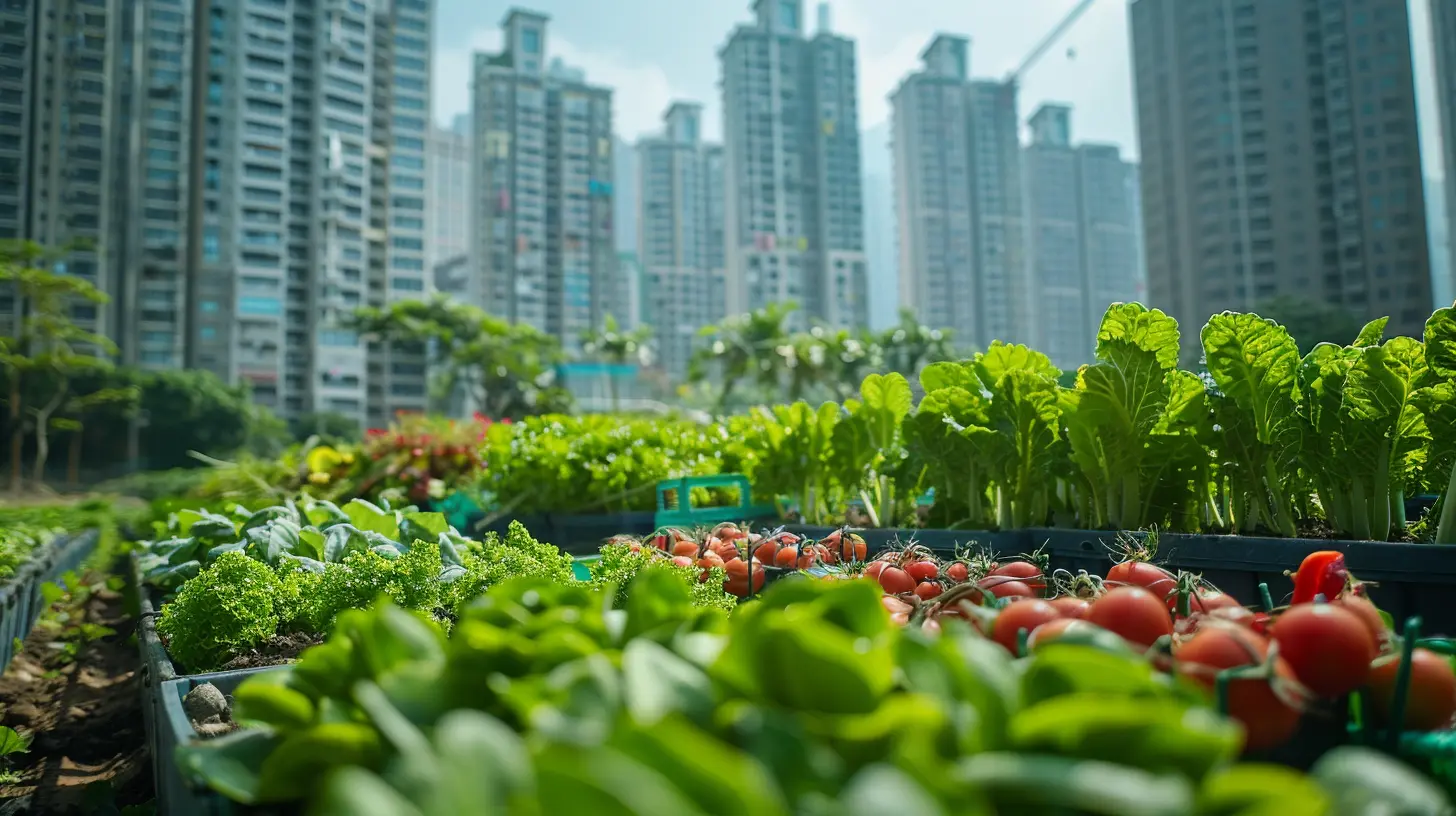
At its core, urban farming is the practice of growing and cultivating food within city environments. This could be in the form of rooftop gardens, vertical farms, community gardens, or even small backyard plots. Unlike traditional farming, urban farming utilizes limited space efficiently, often incorporating innovative techniques such as hydroponics, aquaponics, and aeroponics to maximize food production.The concept isn't just about growing food—it’s about fostering self-sufficient, environmentally-friendly communities that blend nature with urban living.
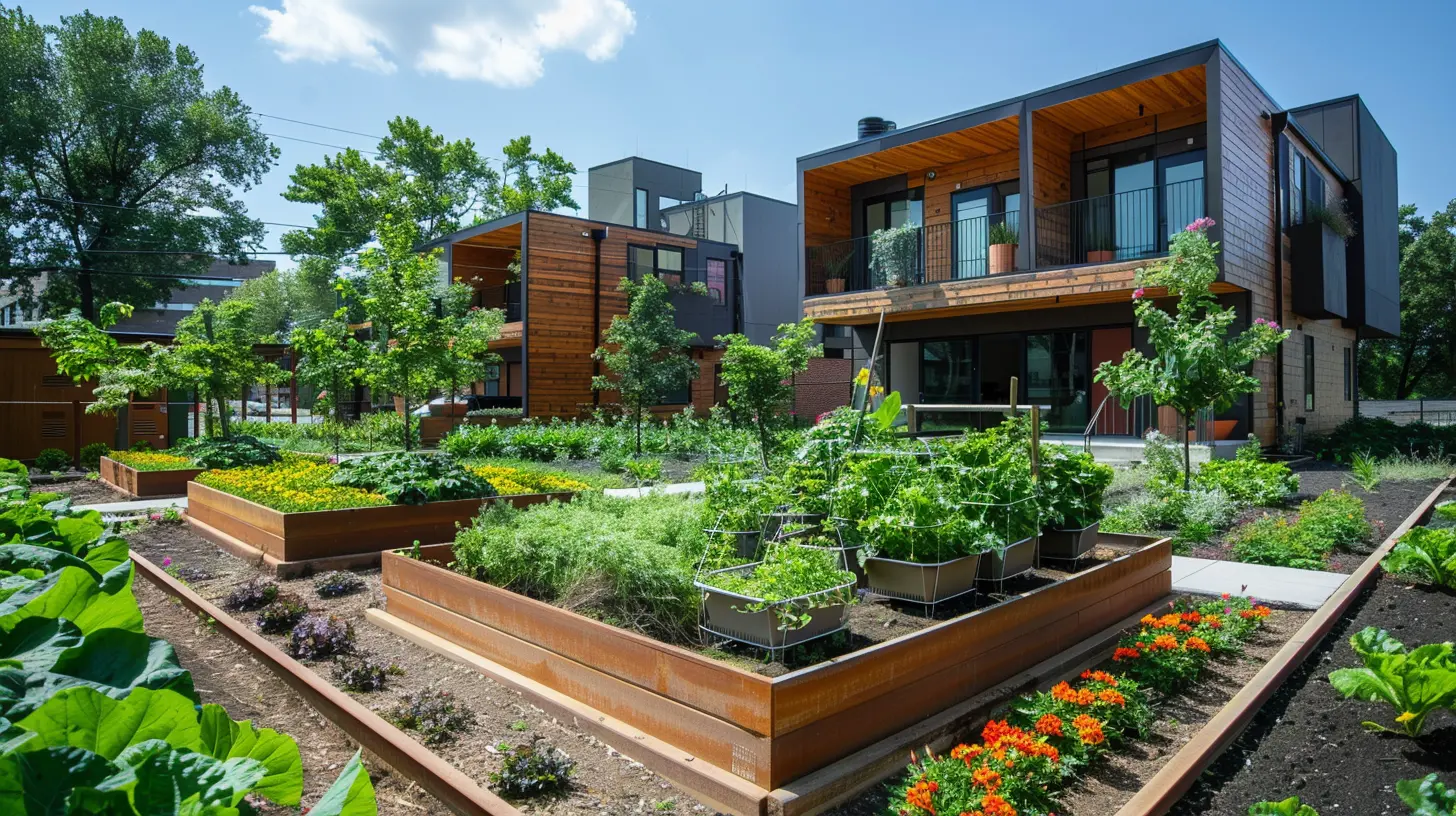
Why Urban Farming Matters in Housing Communities
Sustainable housing is more than just energy-efficient buildings and eco-friendly materials. It’s about creating a self-reliant, resilient ecosystem where people can thrive. Urban farming contributes significantly to this by:1. Enhancing Food Security
City dwellers often rely on food transported from hundreds or even thousands of miles away. This dependence comes with numerous risks—rising food costs, supply chain disruptions, and a heavy carbon footprint. Urban farming reduces this dependency by providing locally grown food, ensuring that communities have direct access to fresh and nutritious produce.2. Boosting Sustainability
Traditional food supply chains are responsible for a significant portion of global carbon emissions. Transporting food across long distances requires fuel, refrigeration, and packaging—all of which contribute to pollution. By growing food locally, urban farming cuts down on these harmful environmental impacts, making communities greener and more sustainable.3. Strengthening Community Bonds
Think about it—when was the last time you truly connected with your neighbors? Urban farming brings people together by fostering a sense of community. Shared gardens and farm spaces encourage residents to collaborate, socialize, and work towards a common goal. It’s a fantastic way to build relationships while reaping the rewards of healthy, homegrown food.4. Improving Mental and Physical Health
Gardening isn't just about planting seeds—it’s therapy. Studies have shown that spending time in green spaces reduces stress and anxiety while promoting overall well-being. Additionally, urban farming encourages physical activity, whether it's digging, planting, or harvesting. A little dirt under your fingernails can do wonders for your health!5. Increasing Property Value
Believe it or not, homes in communities with green spaces and urban farms tend to have higher property values. Buyers are drawn to the idea of living in an eco-friendly, self-sustaining environment. Green rooftops, vertical farms, and community gardens make a housing development more attractive, making urban farming an excellent long-term investment.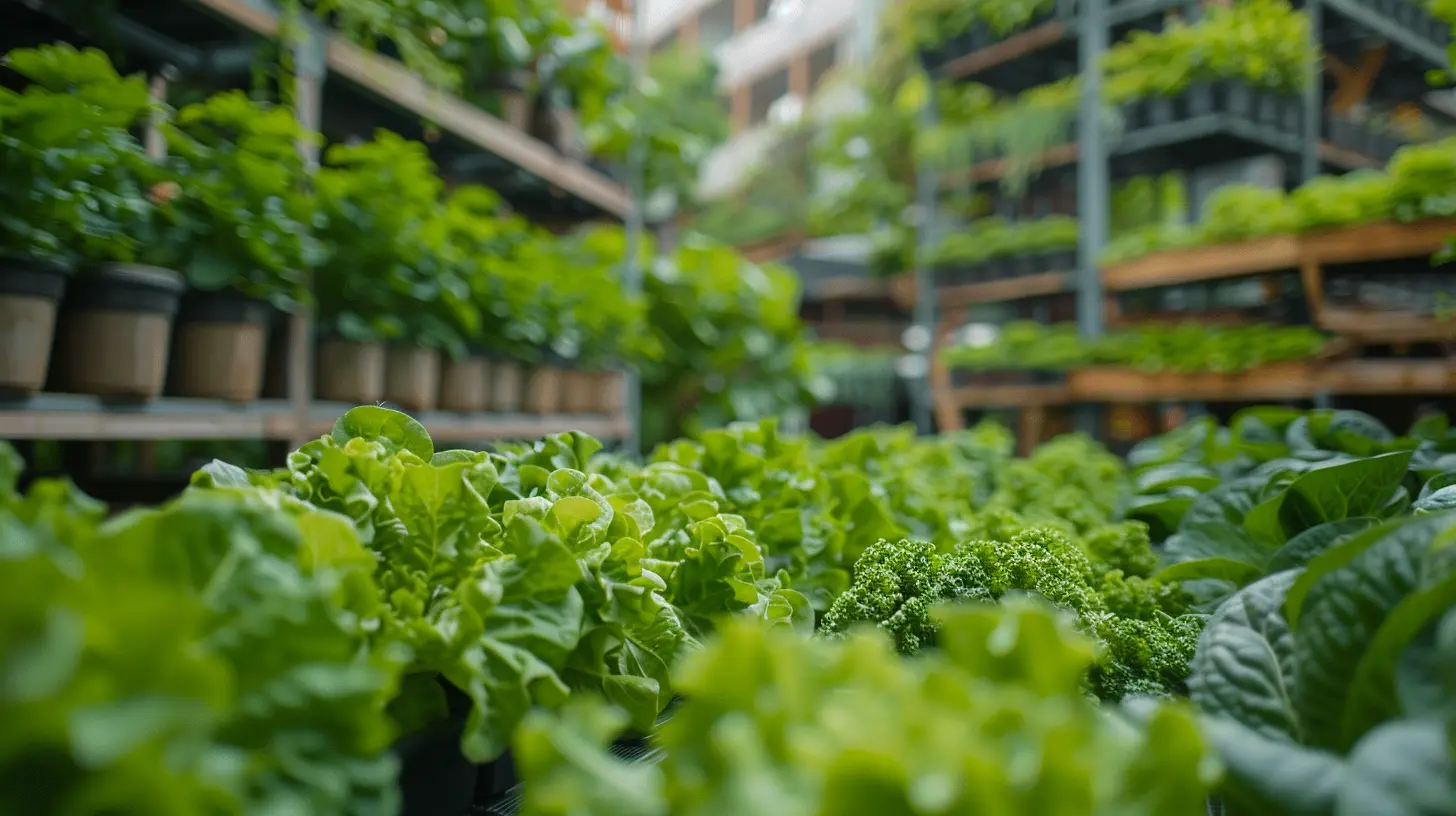
How Urban Farming Can Be Integrated into Housing Communities
Urban farming isn’t a one-size-fits-all approach. Different communities adopt different methods based on available space, climate, and budget. Here are some of the most effective ways housing developments can integrate urban farming:1. Rooftop Gardens
If space is a concern, why not use rooftops? Many modern apartment complexes and high-rises are transforming their unused rooftops into lush green spaces filled with herbs, vegetables, and even small fruit trees. This not only provides fresh food but also helps with insulation and cooling, reducing energy costs.2. Vertical Farming
When space is tight but demand for fresh produce is high, vertical farming provides an innovative solution. By stacking plants in vertical towers, communities can grow large amounts of food using minimal land. This method often incorporates hydroponics or aeroponics, reducing the need for soil and excessive water use.3. Community Gardens
A community garden is one of the simplest and most effective ways to promote urban farming. Residents can come together to cultivate fruits, vegetables, and flowers in a shared space. These gardens encourage responsibility, teamwork, and knowledge exchange while producing fresh food for the neighborhood.4. Balcony and Indoor Farming
Not everyone has access to a yard or rooftop, but that doesn’t mean farming is off the table. Residents can grow herbs, tomatoes, or lettuce in small containers on balconies or even indoors using grow lights. Compact urban farming solutions make it possible for everyone to participate, no matter their living situation.5. Hydroponics and Aquaponics
These soil-free farming techniques are gaining popularity for their efficiency and sustainability. Hydroponics grow plants in nutrient-rich water rather than soil, while aquaponics combines fish farming with plant cultivation, creating a self-sustaining ecosystem. Both methods are perfect for urban environments where space is limited.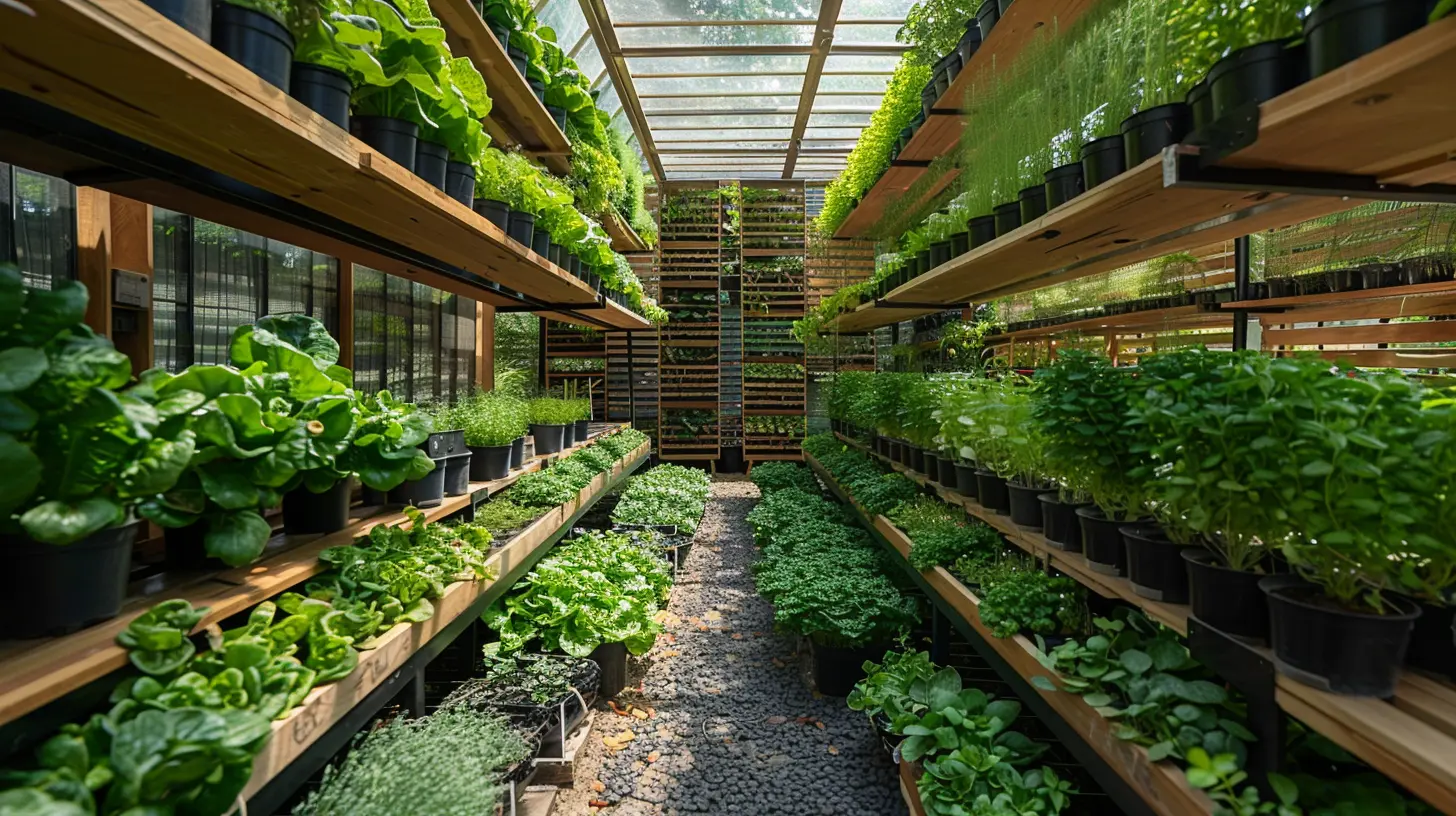
Challenges of Urban Farming in Housing Communities
Of course, urban farming isn’t entirely without challenges. Some of the key obstacles include:- Space Limitations: Not every housing community has available land for farming. However, innovative solutions like vertical farming and hydroponics help overcome this issue.
- Initial Investment Costs: Setting up an urban farm—especially advanced systems like aquaponics—can be costly. However, the long-term benefits outweigh the upfront expenses.
- Maintenance and Participation: Like any community project, urban farms require commitment. Without proper management and resident participation, farms may struggle to thrive.
- Zoning and Regulations: Some cities have strict zoning laws that limit farming activities. It's crucial for developers and residents to work with local authorities to ensure compliance.
The Future of Urban Farming in Housing Communities
As cities continue to grow, sustainable living solutions like urban farming will become increasingly important. More developers are recognizing the value of integrating green spaces and food production into their projects. In the future, we may see entire neighborhoods designed around urban farming, with food production woven into everyday life.Governments and policymakers are also stepping up, providing incentives for green building designs and agricultural initiatives in urban areas. The rise of smart farming technology—such as AI-powered irrigation systems and automated greenhouses—will make urban farming even more efficient and accessible.
Final Thoughts
Urban farming isn’t just about food—it’s about creating healthier, happier, and more sustainable communities. By integrating farming into housing developments, we can reduce our environmental footprint, build stronger communities, and improve overall well-being. Imagine a world where fresh produce is just an elevator ride away, where city life and nature coexist harmoniously. That’s the future we should be working towards.If you're part of a housing community or a developer looking to implement urban farming, now is the time to act. With the right planning and a bit of green-thumb enthusiasm, urban farming can revolutionize the way we live in cities.
all images in this post were generated using AI tools
Category:
Sustainable HousingAuthor:

Cynthia Wilkins
Discussion
rate this article
2 comments
Morgan Evans
Urban farming enhances community resilience and sustainability in housing.
February 20, 2026 at 4:03 AM
Cynthia Wilkins
Thank you for your comment! I completely agree—urban farming not only strengthens community ties but also promotes sustainable practices that can significantly enhance housing resilience.
Ivory Martinez
Urban farming transforms communities, fostering sustainability and resilience—let's cultivate a greener future together for generations to come!
February 7, 2026 at 3:17 AM
Cynthia Wilkins
Thank you for your insightful comment! Urban farming indeed plays a vital role in building sustainable and resilient communities. Together, we can create a greener future!