The Science of Urban Growth and Its Impact on Real Estate Planning
6 March 2026
Urban growth isn't just about expanding cities—it's a fascinating blend of economics, infrastructure, and human behavior. As cities evolve, so do the opportunities and challenges in real estate. But how exactly does urban growth impact real estate planning? And what does it mean for buyers, investors, and city dwellers alike?
Let’s dive in.
Understanding Urban Growth
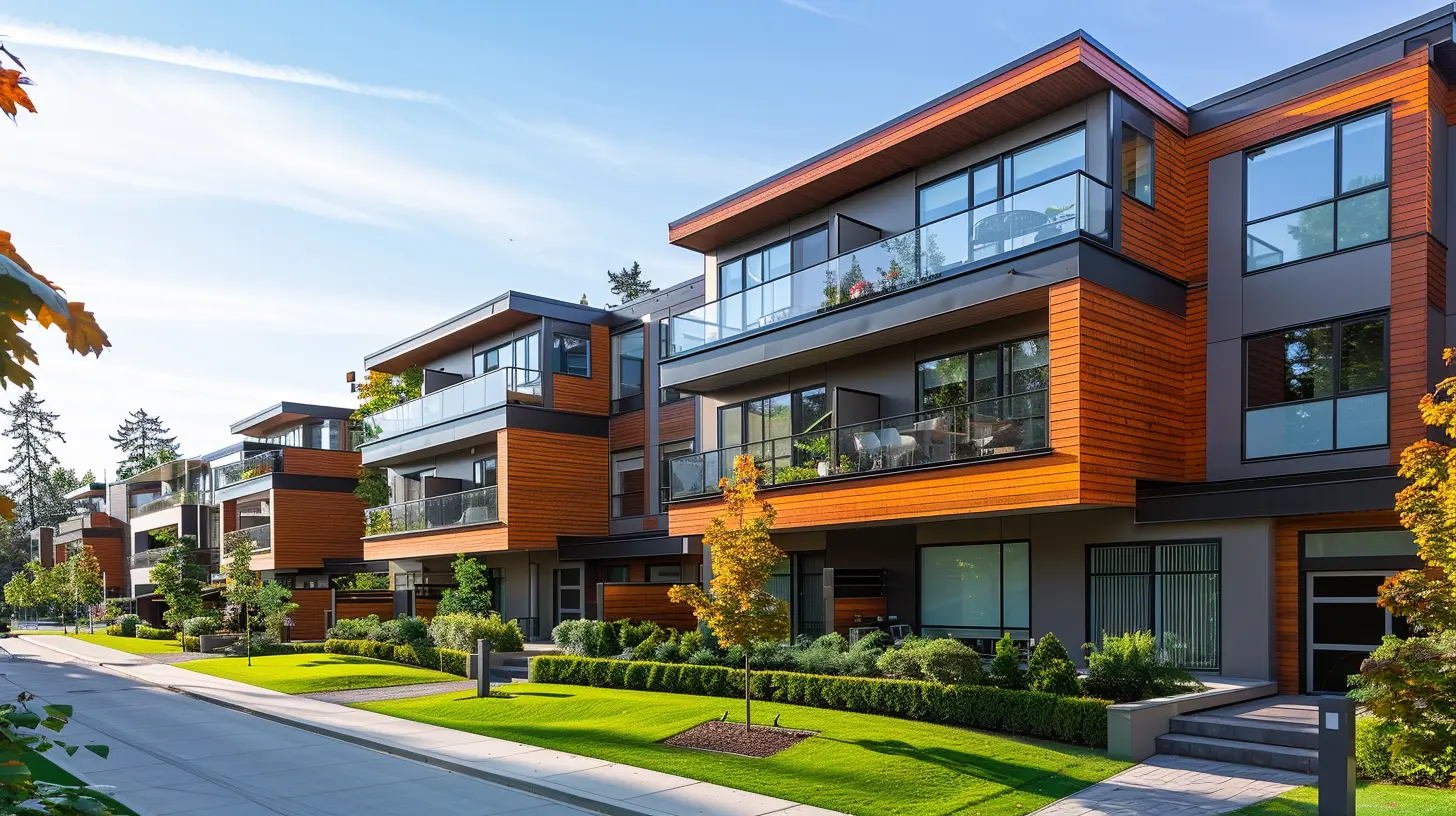
Urban growth is the process by which cities expand in terms of population, infrastructure, and economic activities. It can be natural (when birth rates exceed death rates) or driven by migration, technological advancements, and industrialization.But here’s the catch—urban growth isn’t just about adding more buildings or roads. It’s a complex science that involves careful planning to ensure cities remain livable, sustainable, and economically viable.
The Factors Driving Urban Growth
So, what causes cities to grow? Several factors contribute to this ever-changing landscape:1. Economic Expansion – When businesses thrive, they create jobs, attract talent, and drive up demand for housing and commercial spaces. Think of cities like New York, London, or Tokyo—economic powerhouses that continue to grow.
2. Population Increase – More people naturally lead to urban expansion. Whether due to high birth rates or migration, an increasing population demands more homes, schools, and services.
3. Infrastructure Development – Better transportation, utilities, and public services make cities more attractive. A new highway or metro line can suddenly make a once-ignored suburb a real estate hotspot.
4. Technological Advancements – Smart cities, improved public transport, and high-speed internet are game-changers. They make urban living more convenient, attracting businesses and residents.
5. Policy and Government Planning – Zoning laws, environmental regulations, and tax incentives all shape how cities grow. Strategic planning can either drive or restrict urban expansion.
Now that we understand what fuels urban growth, let’s see how it impacts real estate planning.
The Impact of Urban Growth on Real Estate
Urban growth is a double-edged sword for real estate. It brings opportunities but also challenges that must be carefully managed. Here’s how it affects real estate planning:1. Housing Demand and Affordability
As cities grow, the demand for housing skyrockets. More people looking for homes means higher property prices and rental rates. Developers rush to build, but if supply doesn’t keep up with demand, affordability becomes a crisis.Just look at cities like San Francisco—booming tech industries have pushed housing costs through the roof, making it almost impossible for middle-class families to afford a home.
2. Urban Sprawl vs. Smart Growth
Some cities expand outward, spreading into suburbs and rural areas. This “urban sprawl” often leads to longer commutes, more traffic, and increased reliance on cars.On the flip side, some cities embrace smart growth, focusing on high-density developments, mixed-use buildings, and efficient public transportation. This makes cities more walkable, reducing congestion and promoting sustainability.
3. Rising Property Values in Key Areas
Urban growth doesn’t happen evenly. Certain areas become hotspots, seeing skyrocketing property values. It could be due to a new tech hub, improved infrastructure, or a shifting cultural scene.For example, Brooklyn was once seen as an affordable alternative to Manhattan. Fast forward a few decades, and it's now one of the most desirable (and expensive) areas in New York.
4. Gentrification and Displacement
With rising property values comes gentrification. As wealthier residents move into previously lower-income neighborhoods, property values rise, but so do rents. Sadly, this often pushes out long-term residents who can no longer afford to live there.Real estate planners must strike a balance—revitalizing neighborhoods while ensuring inclusivity and affordability.
5. Infrastructure Challenges
Growing cities need better roads, public transport, water supply, and waste management. If infrastructure doesn’t keep pace, cities become congested, polluted, and frustrating to live in.Ever been stuck in rush-hour traffic for hours? That’s often a sign of poor urban planning failing to accommodate a growing population.
6. Commercial Real Estate Demand
Urban growth isn’t just about housing—businesses also need space. Office buildings, shopping centers, and entertainment hubs all play a role in shaping a city’s landscape.As remote work trends grow, cities must rethink traditional office spaces. Will companies still need massive office towers, or will flexible workspaces become the new norm?
7. Zoning Laws and Land Use Regulations
Governments play a huge role in shaping urban growth through zoning laws. These determine where residential, commercial, and industrial properties can be built.Good zoning leads to well-balanced cities with vibrant communities. Poor zoning results in chaotic urban landscapes with traffic congestion, pollution, and inefficient land use.
The Future of Urban Growth and Real Estate
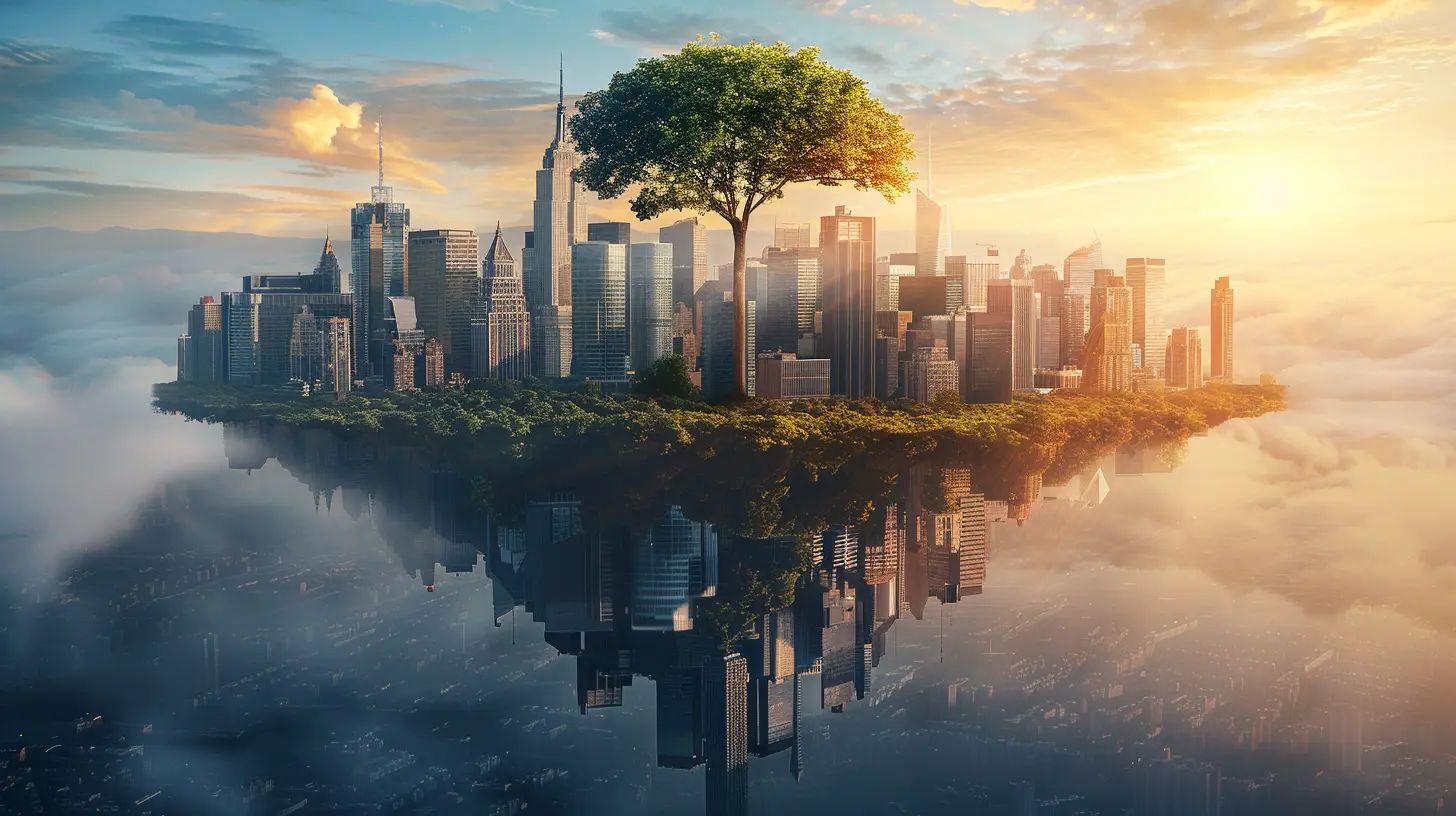
Urban growth isn’t slowing down. By 2050, the UN predicts that nearly 70% of the global population will live in cities. That means real estate planning is more crucial than ever.Sustainable and Green Cities
More cities are going green, focusing on energy-efficient buildings, renewable energy, and eco-friendly infrastructure. Sustainable urban planning ensures long-term livability without harming the environment.Smart Cities and Tech-Driven Development
Imagine a city where traffic lights adjust based on real-time congestion, public transport is fully automated, and buildings generate their own energy. Smart cities are the future, integrating technology to improve urban life.Affordable Housing Initiatives
Governments and private developers are working to make housing more affordable. From affordable housing projects to co-living spaces and micro-apartments, innovative solutions are emerging to combat housing shortages.The Rise of Secondary Cities
As major cities become overcrowded and expensive, smaller cities and suburbs are booming. Places like Austin, Nashville, and Charlotte are attracting businesses and residents looking for affordability without sacrificing urban amenities.
Conclusion
Urban growth and real estate planning go hand in hand. As cities expand, real estate professionals, planners, and policymakers must work together to create sustainable, livable urban environments.For investors, understanding urban growth trends can uncover lucrative opportunities. For homeowners, it helps anticipate property value changes. And for city planners, it’s about shaping the future of our urban spaces wisely.
The challenge? Balancing growth, development, and sustainability while ensuring that cities remain accessible and inclusive for everyone.
So, whether you're a buyer, investor, or city dweller—keeping an eye on urban growth trends can help you make informed real estate decisions. The future of cities is ever-evolving, but with smart planning, it can be a future that benefits us all.
all images in this post were generated using AI tools
Category:
Real Estate AnalyticsAuthor:

Cynthia Wilkins
Discussion
rate this article
2 comments
Yasmeen McGehee
This article brilliantly highlights the complex relationship between urban growth and real estate planning. Understanding the scientific factors driving urban expansion is crucial for informed decision-making in real estate. It emphasizes the need for strategic planning to foster sustainable development that meets the evolving needs of communities.
March 22, 2026 at 4:08 AM
Cynthia Wilkins
Thank you for your insightful comment! I'm glad you found the article highlights the importance of strategic planning in addressing urban growth and real estate development.
Lexi Carey
Understanding urban growth trends is vital for effective real estate planning and sustainable development strategies.
March 8, 2026 at 4:03 AM
Cynthia Wilkins
Absolutely! Understanding these trends enables planners to make informed decisions, ensuring balanced development and sustainability.