The Shift Toward Walkable Communities: Why They’re Gaining Popularity
2 February 2026
Let's face it—we’ve all had that moment, stuck in bumper-to-bumper traffic, questioning every life decision that led us to this never-ending commute. But what if I told you there’s a lifestyle where you could ditch the car (at least most of the time) and live in a place where everything you need is just a short stroll away? Sounds like a dream, right? Well, it's becoming a reality for more people as the trend of walkable communities gains momentum.
So, what’s the deal with walkable communities? Why are so many people trading in their suburban sprawls for pedestrian-friendly neighborhoods? Let’s take a stroll (pun totally intended) through this growing movement and what makes it so appealing.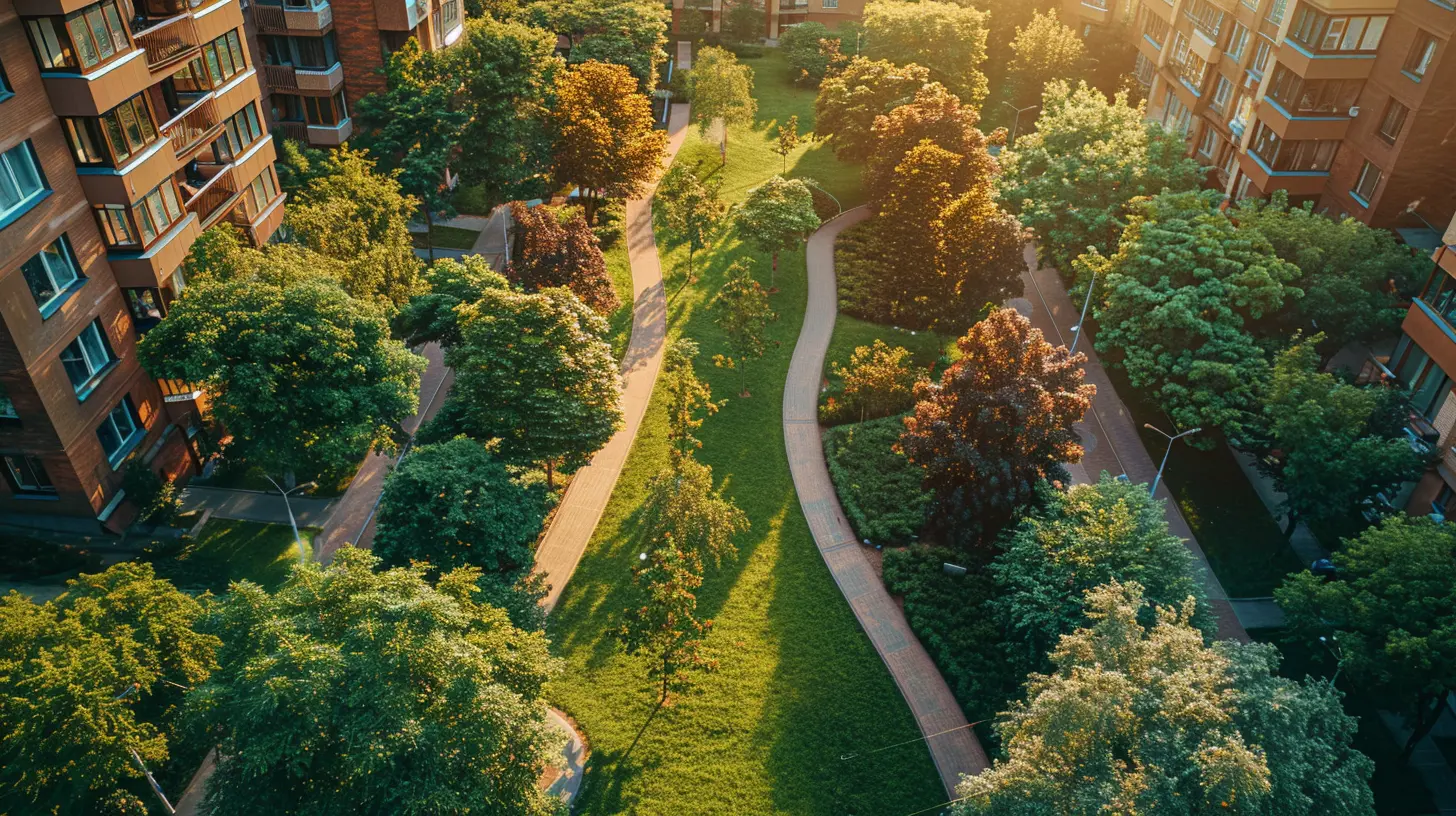
What Is a Walkable Community?
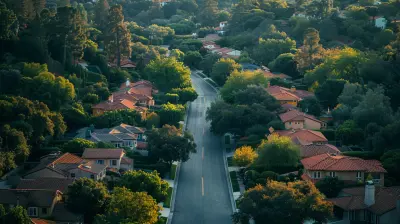
Before we go any further, let’s define what we’re talking about. A walkable community is a neighborhood or town designed to prioritize pedestrians over cars. Picture tree-lined sidewalks, bustling cafés, local shops, green parks, and everything you need within a 10-15 minute walk. No more driving 20 minutes just to grab a loaf of bread!Walkable communities focus on mixed-use development—meaning homes, businesses, restaurants, and recreational spaces all coexist in close proximity. Instead of vast parking lots and endless highways, these areas emphasize accessibility, sustainability, and a vibrant social atmosphere.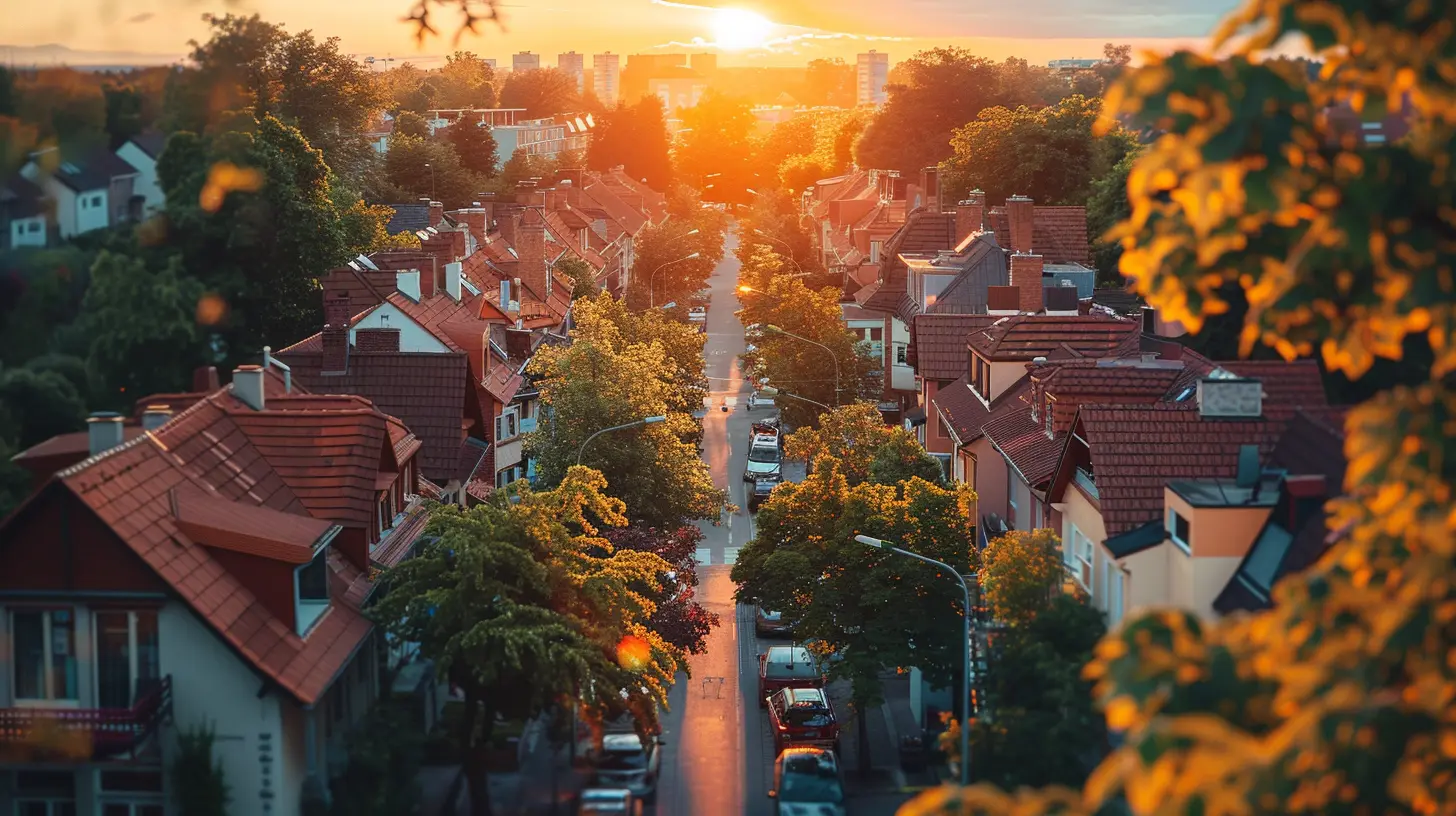
Why Are Walkable Communities Becoming So Popular?
While the idea of walkable communities isn’t exactly new (cities used to be built this way before cars took over), they’ve seen a major resurgence in recent years. Why? Let’s break it down.1. People Are Over Long Commutes
Raise your hand if hours in traffic sound like your personal nightmare. Yeah, us too. With remote and hybrid work on the rise, more folks are realizing they don’t need to live miles away from everything. Walkable communities cut down the need for daily car commutes, giving people back precious time that would otherwise be wasted staring at brake lights.2. Better Health Benefits (Without the Gym Membership)
Who needs a treadmill when your whole neighborhood doubles as a walking trail? Living in a pedestrian-friendly area encourages a more active lifestyle—meaning you’re getting in those steps naturally without even thinking about it. Walking regularly can improve heart health, boost mental well-being, and even help maintain a healthy weight. It’s like low-effort exercise built right into your daily routine!3. More Social Interaction (Goodbye, Isolation!)
Ever feel like you don’t know your neighbors? In car-dependent areas, social interaction is often limited to a quick wave while grabbing your mail. But in walkable communities, you’re constantly running into familiar faces at the coffee shop, grocery store, or nearby park. This creates a stronger sense of community—something that’s becoming increasingly important in an era where loneliness is a real concern.4. A Boost for Local Businesses
You know what doesn’t thrive in car-centric suburbs? Small, locally owned businesses. Walkable neighborhoods give these businesses a fighting chance by ensuring a steady flow of foot traffic. Instead of heading to a giant chain store miles away, residents are more likely to shop at locally owned cafés, boutiques, and markets—all within walking distance.5. Environmental Benefits (Because the Planet Matters)
Let’s be real—our car addiction hasn’t exactly been great for the environment. Walkable communities reduce the reliance on vehicles, which means fewer carbon emissions. Less driving also means less demand for massive parking lots and highways, allowing for more green spaces instead of concrete jungles.6. Increased Property Values
Here’s a fun bonus—walkable communities tend to have higher property values than their car-dependent counterparts. Buyers and renters alike are willing to pay a premium for the convenience of having everything within reach. And since demand for these areas is growing, home values in walkable neighborhoods are likely to remain strong.
The Key Features of a Walkable Community
Not every neighborhood can call itself truly “walkable.” So, what makes these areas stand out? Here are some major characteristics:1. Mixed-Use Development
Gone are the days of needing a car to get to the grocery store. Walkable areas integrate residential, commercial, and recreational spaces all within a short walking distance.2. Safe and Accessible Sidewalks
Wide, well-maintained sidewalks are a must. Bonus points for pedestrian crossings, bike lanes, and shaded areas for comfortable walking.3. Public Transportation Options
While the goal is to walk as much as possible, having strong public transit options helps when longer trips are necessary. Trains, buses, and bike-share programs make getting around even easier.4. Green Spaces and Parks
Parks, trails, and outdoor gathering areas encourage people to get outside and enjoy their surroundings. Plus, they make for great places to relax or socialize.5. A Vibrant, Engaged Community
Markets, street fairs, festivals—walkable neighborhoods feel alive. The more community events and public spaces available, the better.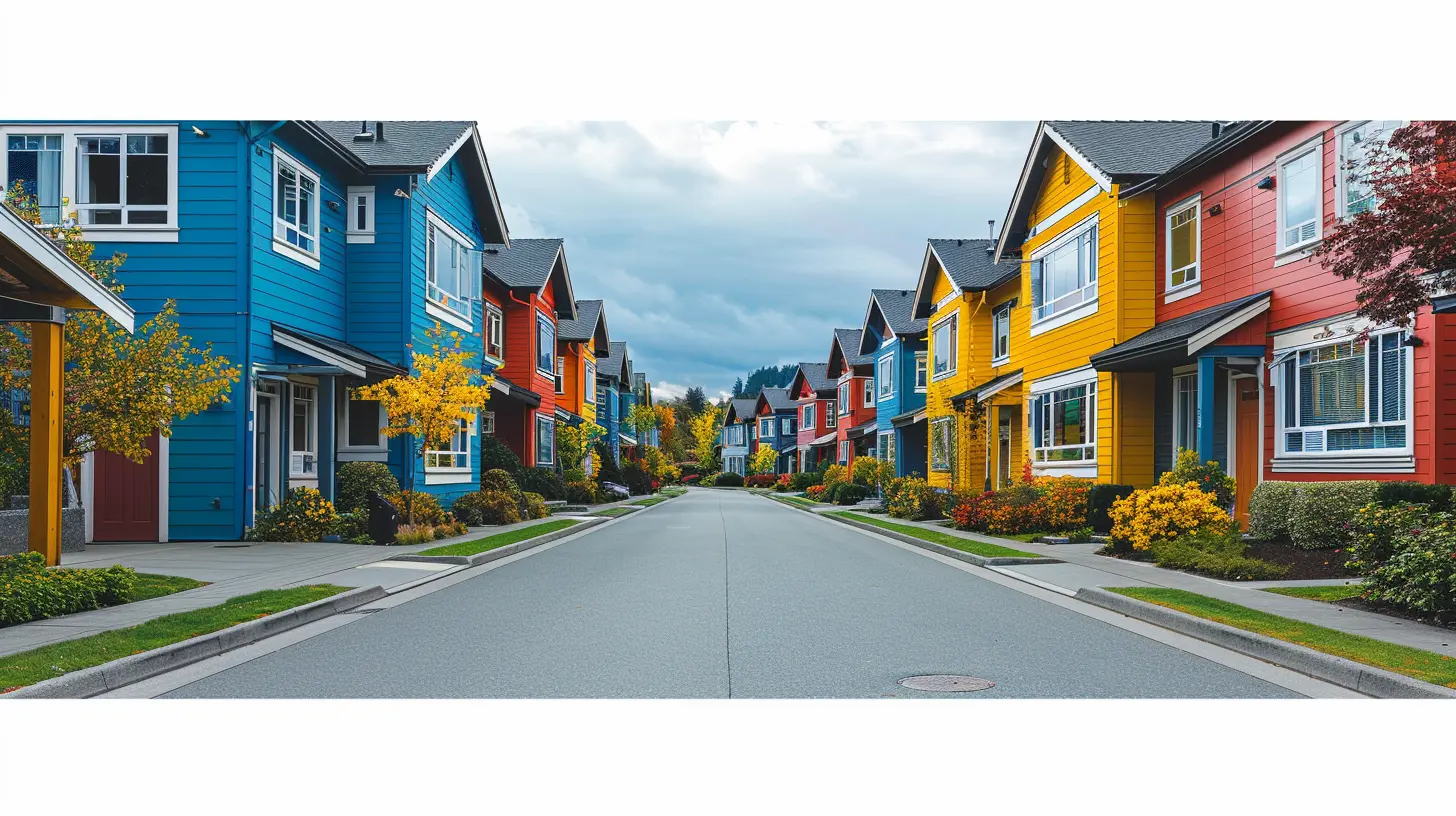
Challenges of Walkable Communities (Because Nothing’s Perfect)
While walkable communities sound pretty fantastic (and they mostly are), there are a few challenges worth mentioning.1. Affordability Issues
High demand means higher prices. Many walkable areas, especially in major cities, can be expensive to live in. This is a challenge city planners need to address to ensure accessibility for people of all income levels.2. Limited Space
Since these communities are compact by design, space can be a premium. This might mean smaller homes, fewer parking spots, and limited expansion opportunities.3. The Need for Better Infrastructure
Not every city is walkable yet. Many places need serious investments in pedestrian infrastructure to make them truly accessible and safe for walking.Are Walkable Communities the Future?
The trend suggests yes! With more people seeking convenience, sustainability, and better quality of life, walkable communities are only going to grow in popularity. Cities and developers are taking note, and many are already shifting towards pedestrian-friendly designs.While not everyone is ready to completely ditch their cars, there’s no denying the appeal of having everything within reach—without needing to sit in traffic. Whether you’re looking for a new place to live or just dreaming of a lifestyle that’s a little more human-friendly, walkable communities might just be the answer.
So, what do you think? Could you see yourself trading in your daily drive for a neighborhood stroll?
all images in this post were generated using AI tools
Category:
Real Estate TrendsAuthor:

Cynthia Wilkins
Discussion
rate this article
2 comments
Grey Reyes
This shift towards walkable communities is fascinating! What key factors are driving their popularity? Could this trend reshape urban planning and influence future developments in unexpected ways?
February 28, 2026 at 5:45 AM
Cynthia Wilkins
The popularity of walkable communities is driven by a desire for sustainability, improved health, and enhanced quality of life. This trend could indeed reshape urban planning by prioritizing mixed-use developments, green spaces, and public transit, ultimately creating more vibrant and connected neighborhoods.
Thor Kirkpatrick
As urban landscapes evolve, the shift toward walkable communities embodies a deeper societal yearning for connection, sustainability, and health—reminding us that our environments shape not only our lifestyles but the very fabric of our relationships.
February 3, 2026 at 2:00 PM
Cynthia Wilkins
Absolutely! Walkable communities foster connections and promote sustainability, reflecting our desire for healthier, more engaged lifestyles.