Using Texture to Elevate Your Home’s Exterior Design
5 August 2026
When it comes to designing the exterior of your home, most people focus on things like color, landscaping, and architectural style. But there’s one element that often gets overlooked—texture. Texture can add depth, contrast, and visual appeal in ways that go beyond just picking the right paint color. Whether you’re aiming for a cozy cottage feel, a sleek modern look, or a rustic farmhouse charm, the right textures can make all the difference.
So, how can you use texture to elevate your home’s exterior design? Let’s dive in! 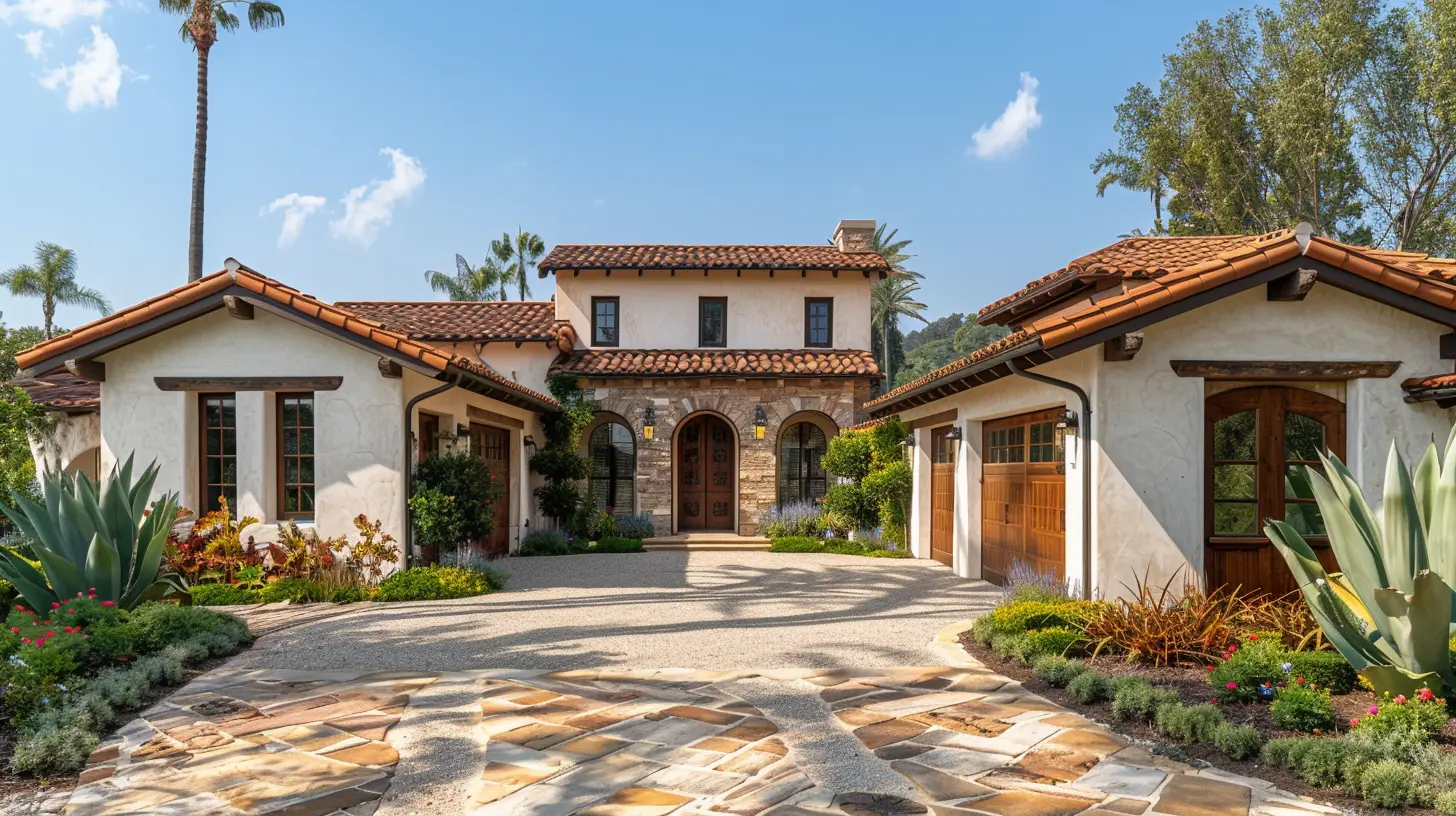
Why Texture Matters in Exterior Design
Texture isn't just something you see—it’s something you feel, even if only with your eyes. It creates visual interest, making a flat, unremarkable facade come alive with character and personality.Think about it: A smooth, sleek stucco home gives off a completely different vibe than a rough, reclaimed brick exterior. Texture influences how light interacts with your home, casting shadows, enhancing depth, and even affecting the perceived size of a space.
By incorporating different materials and finishes, you can create a balanced, dynamic look that keeps your home from feeling flat or uninspired. 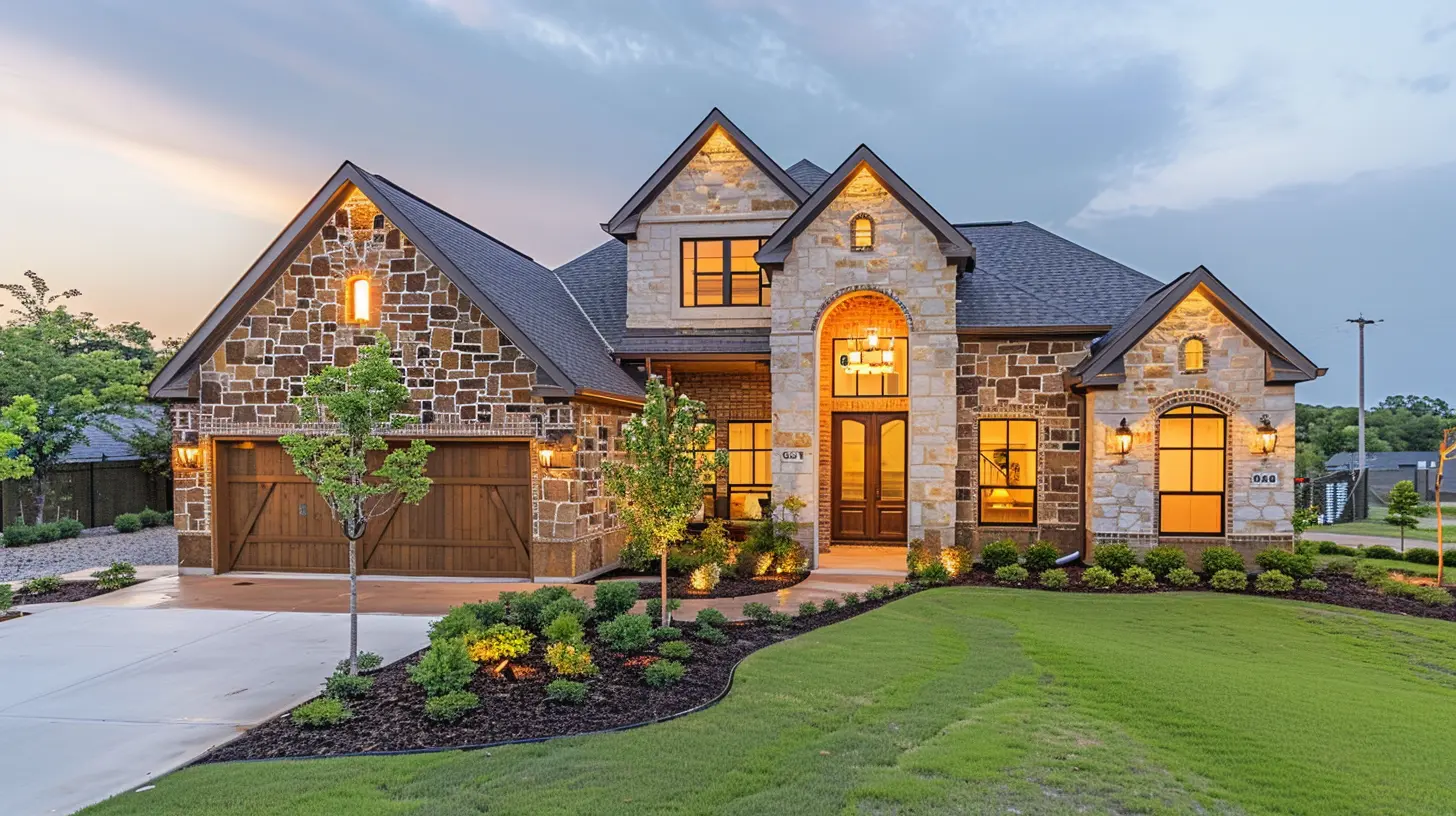
Types of Exterior Textures to Consider
Not sure where to start? Here are some of the most popular exterior textures and how they can transform your home’s look:1. Brick: A Timeless Classic
Brick has been used for centuries, and for good reason. It’s durable, rich in texture, and adds a sense of history and warmth to any home. Whether you're working with traditional red brick or a more contemporary gray or whitewashed style, brick instantly adds character and depth.Want a vintage, worn-in look? Try using reclaimed brick. Prefer something sleek and modern? Go for a smooth, uniform brick pattern with a monochromatic color scheme.
2. Stone: Natural Elegance
Few materials match the timeless beauty of natural stone. Whether it's limestone, slate, or river rock, stone can add a luxurious, earthy texture to your home’s exterior.- Stacked stone gives a rugged, rustic appeal—perfect for mountain homes and cottages.
- Polished stone cladding introduces a more refined, modern aesthetic.
A stone facade or stone accents on pillars and chimneys can create an upscale, inviting look.
3. Wood: Warm and Inviting
Wood brings warmth and a natural, organic feel. From horizontal cedar planks to rustic reclaimed barn wood, wooden textures can create anything from a modern Scandinavian look to a cozy lodge-style ambiance.For a sleek and contemporary appearance, consider using wood paneling with clean lines. On the other hand, if you're aiming for a farmhouse or cabin aesthetic, rough-hewn logs or shiplap siding will do the trick.
4. Stucco: Smooth and Sophisticated
Stucco is an incredibly versatile material that can be finished in different textures, from a glass-smooth surface to a rough, Mediterranean-style finish. It’s commonly found in Spanish, Mediterranean, and Southwestern-style homes.A smooth stucco finish gives off a minimalist, modern appeal, while a textured stucco finish adds a rustic, hand-applied look.
5. Metal: Sleek and Industrial
Metal isn’t just for roofs—it can also be used as siding, accents, or mixed with other materials for a bold, industrial feel. Corrugated metal panels provide a raw, edgy look, while flat metallic panels lend a sleek, ultra-modern vibe.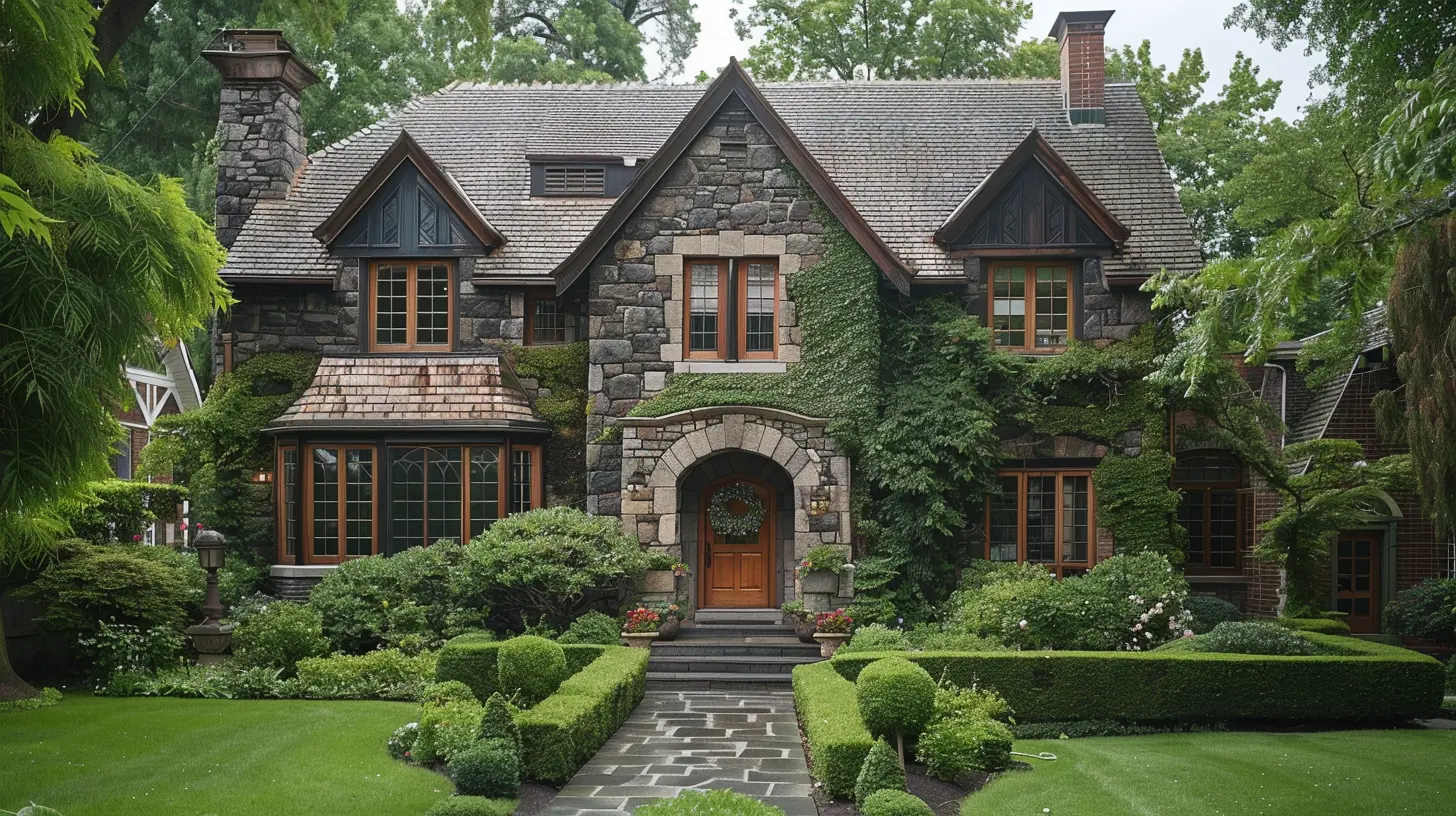
Combining Textures for Maximum Impact
Using one material is fine, but mixing different textures can take your exterior design to the next level. The key is balance—too much variety can make your home look chaotic, while too little can leave it feeling bland.1. Brick + Wood: Rustic and Warm
Brick and wood are a match made in design heaven. The solid, classic feel of brick pairs beautifully with the warmth and natural grain of wood. Consider a brick facade with wooden shutters or a wood front door to create a welcoming look.2. Stone + Stucco: Elegant Yet Inviting
If you want a home that feels both luxurious and cozy, try combining stone and stucco. A stone-clad base with stucco walls creates a sophisticated contrast, while also adding textural depth.3. Metal + Wood: Modern with a Natural Touch
The cool, industrial feel of metal can be softened with the warmth of wood. Use metal siding alongside wooden beams or a wooden front porch to create a striking, contemporary aesthetic.4. Glass + Stone: Contemporary and Chic
Modern homes often incorporate large glass panels with stone accents to create a stunning contrast between sleek and rugged textures. This combination is perfect for homes that emphasize open spaces and natural light.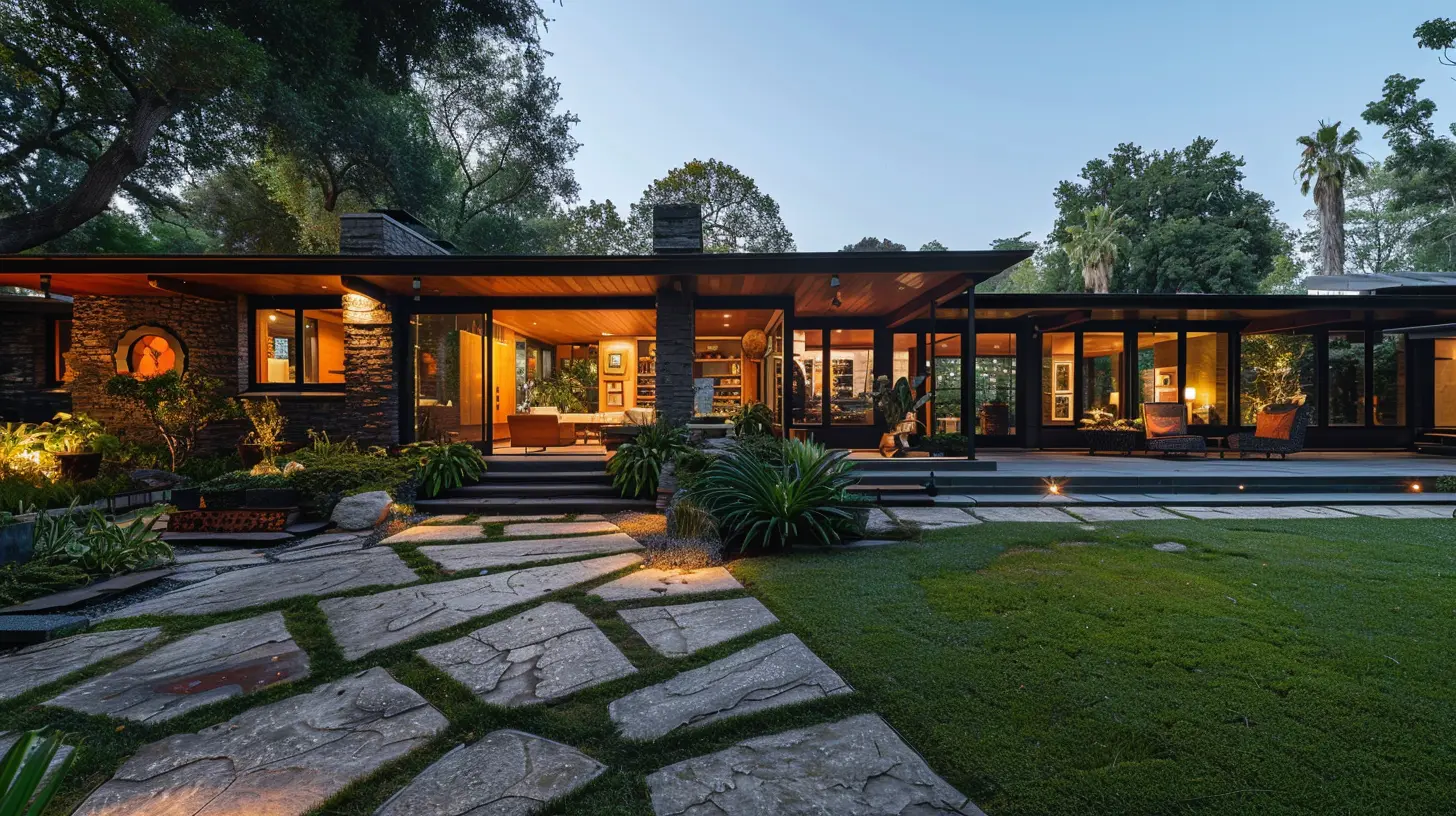
Texture and Color: A Winning Combination
Texture works best when paired with the right color palette. Light colors highlight subtle textures, while dark colors accentuate bold textures.- Smooth textures tend to look best in darker shades, as they absorb light and create a sleek, modern feel.
- Rough textures look great in neutral or earthy tones, as they enhance their natural, organic quality.
A combination of textured materials and thoughtful colors can make your home feel more inviting, unique, and visually dynamic.
Small Ways to Add Texture Without Major Renovations
Not ready for a full redesign? No worries! There are plenty of smaller ways to introduce texture to your home’s exterior without massive construction projects.1. Upgrade Your Front Door
A wood-paneled door, a metal door with rivets, or even a textured glass insert can instantly add depth to your entrance.2. Add Textured Siding or Shutters
Swapping out plain siding for shiplap or board-and-batten can make a huge difference. Likewise, installing wooden shutters can add instant charm and depth.3. Incorporate Stone or Brick Accents
If you're not ready for a full stone facade, consider adding a stone or brick veneer around your porch, columns, or garden walls.4. Use Textured Paint or Stucco Finishes
A textured paint finish or a stucco overlay can enhance your home’s exterior without major renovations.5. Landscape with Purpose
Even plants and walkways can add texture! Gravel paths, stacked stone borders, and wooden trellises contribute to a layered, visually interesting exterior.Final Thoughts
Your home’s exterior is the first thing people see—it sets the tone for everything inside. By playing with different textures, you can create a facade that’s not just visually appealing but also full of character and depth.Whether you go for classic brick, natural stone, sleek metal, or warm wood, the right textures can transform an ordinary house into a stunning home. So, don’t be afraid to mix, match, and experiment. After all, texture is what turns a flat design into something truly unforgettable.
all images in this post were generated using AI tools
Category:
Curb AppealAuthor:

Cynthia Wilkins
Discussion
rate this article
1 comments
Cadence Gates
While texture can undeniably add depth to a home's exterior, it's crucial to balance it with the overall design and surrounding environment. Overwhelming textures can clash with a home's architecture, leading to an aesthetic disarray rather than a harmonious statement. Thoughtful selection matters.
August 5, 2026 at 4:44 AM