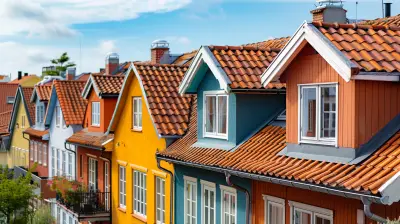
Why Millennials Are Choosing the Suburbs Over Cities in 2026
25 April 2026
Let’s be honest for a second: if you’d told me five years ago that my friends—those same people who swore they’d never leave their walk-up in Brooklyn or their studio in downtown Austin—would be comparing lawn mowers and HOA fees in 2026, I’d have laughed. But here we are. The exodus from city centers isn’t just a trend anymore; it’s a full-blown migration. And it’s not because millennials suddenly hate good coffee or rooftop bars. It’s deeper than that. It’s about survival, sanity, and a little thing called square footage.
So, why are millennials choosing the suburbs over cities in 2026? Grab a coffee (or a kombucha, no judgment), and let’s unpack this shift. Spoiler: it’s not just about the pandemic hangover—it’s about redefining what “the good life” actually means.

The Great Reset: How 2020 Changed Everything
Remember 2020? Yeah, we all have complicated feelings about that year. But one thing it did was shatter the illusion that you need to live in a city to have a career. Remote work went from a perk to a necessity, and suddenly, that $2,500-a-month studio in a trendy neighborhood felt less like a badge of honor and more like a trap.By 2026, the hybrid work model is the norm, not the exception. Companies have realized that productivity doesn’t die when you’re not in a cubicle. So, millennials—now in their late 20s to early 40s—are asking a simple question: Why am I paying city rent when I can get a three-bedroom house with a backyard for the same price?
It’s not just about money, though. It’s about time. Commuting from a suburb to a city center used to be a nightmare. Now, your commute might be from your bedroom to your home office. That extra two hours a day? That’s time for a hobby, a workout, or—let’s be real—just staring at the wall in peace.
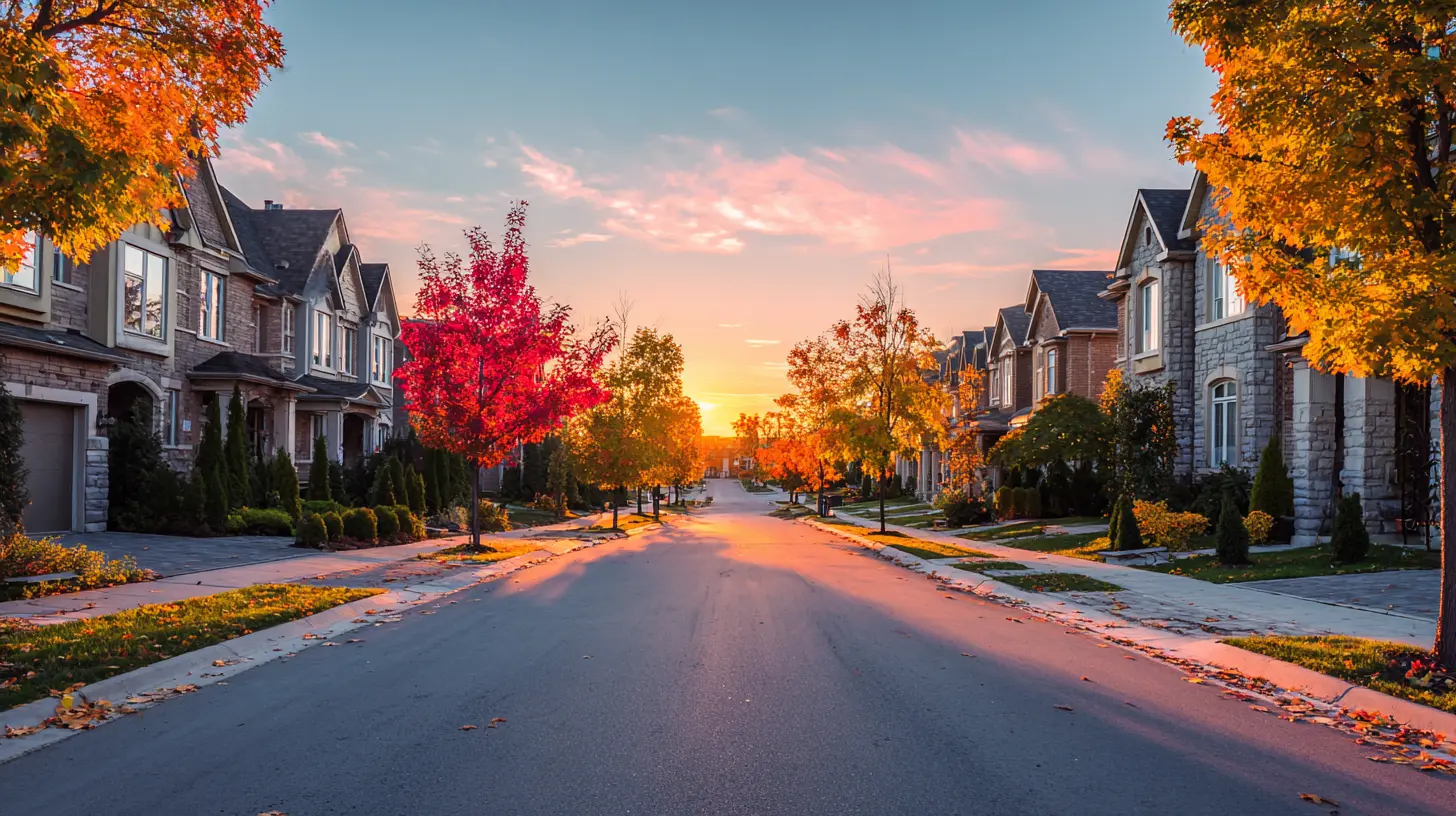
The Space Equation: Why 800 Square Feet Feels Like a Prison
Let’s talk about square footage. In a city, 800 square feet is considered luxurious. In the suburbs, that’s a modest two-bedroom apartment. And for millennials who are now in their prime home-buying years, space isn’t a luxury—it’s a necessity.Think about it: you’ve got a partner who works from home, maybe a kid or two, a dog that needs room to run, and a growing collection of sourdough starters from your 2020 baking phase. Where does all that fit in a city apartment? It doesn’t. The suburbs offer something cities can’t: a separate room for everything. A home office that isn’t the dining table. A backyard where your kids can play without you having to schedule a trip to the park. A garage where you can actually park your car—and maybe store that kayak you bought on impulse.
But it’s not just about physical space. It’s about mental space. The suburbs are quieter. There’s less noise, less chaos, less of the constant hum of city life that grinds you down over time. For millennials who grew up thinking they needed the energy of the city, the suburbs offer a different kind of energy: the kind that lets you breathe.
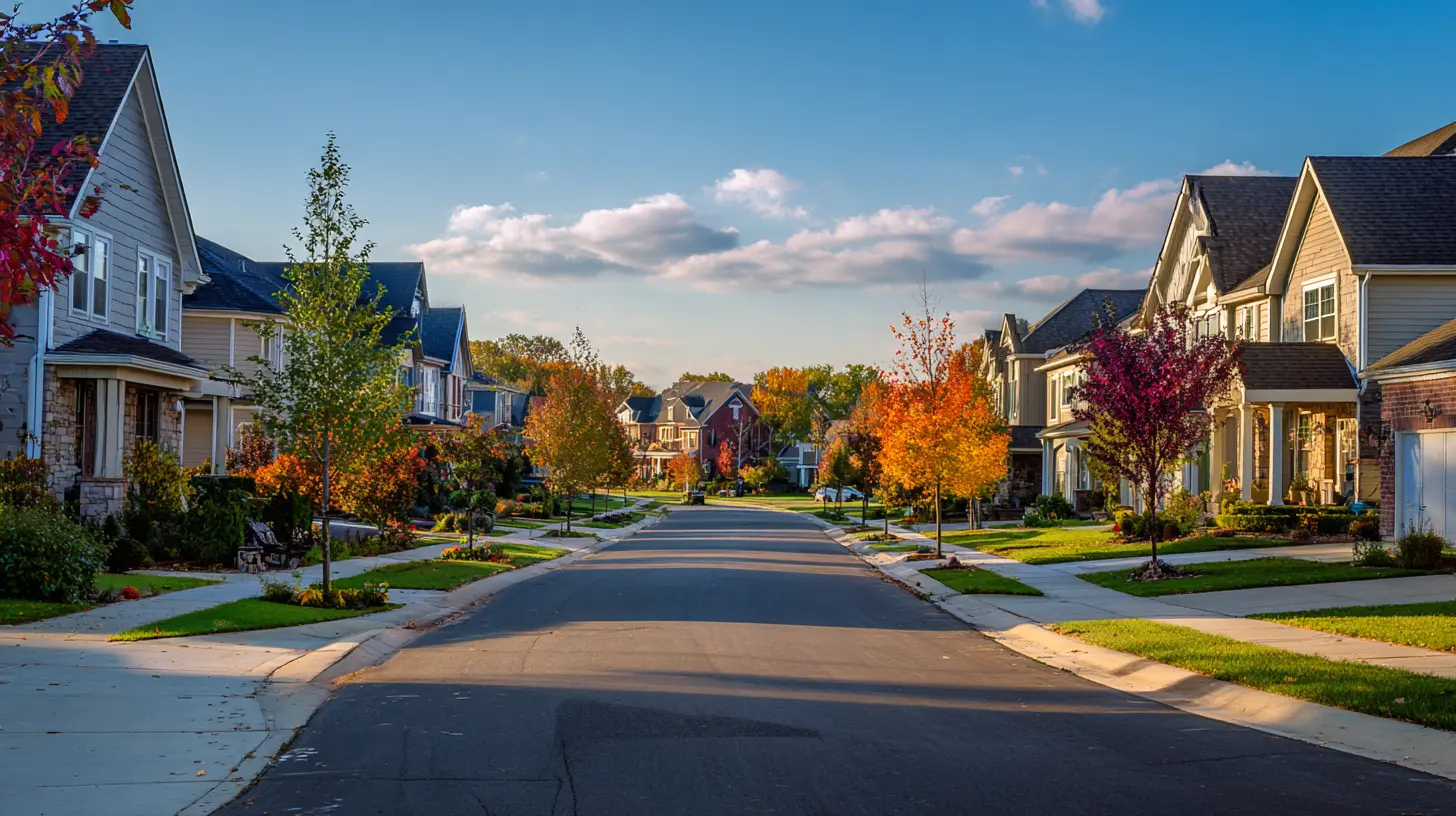
The Affordability Trap: City Prices vs. Suburban Value
Here’s a hard truth: cities have priced themselves out of reach for most millennials. In 2026, the median home price in a major city like San Francisco, New York, or Los Angeles is astronomical. Even renting feels like you’re paying for a mortgage on a mansion somewhere else.Meanwhile, the suburbs offer a different math. You can get a house with a yard, a good school district, and a commute that doesn’t make you want to cry for the same—or less—than a cramped city apartment. And with interest rates finally stabilizing after the chaos of the early 2020s, millennials are jumping on suburban mortgages like they’re the last lifeboats on the Titanic.
But it’s not just about buying. Renters are feeling the pinch too. A two-bedroom in the suburbs might cost you $1,800 a month. In the city, that same amount gets you a one-bedroom with a “cozy” (read: tiny) kitchen. The math doesn’t lie, and millennials are doing the math.
The Amenity Arms Race: Suburbs Are Getting Cool
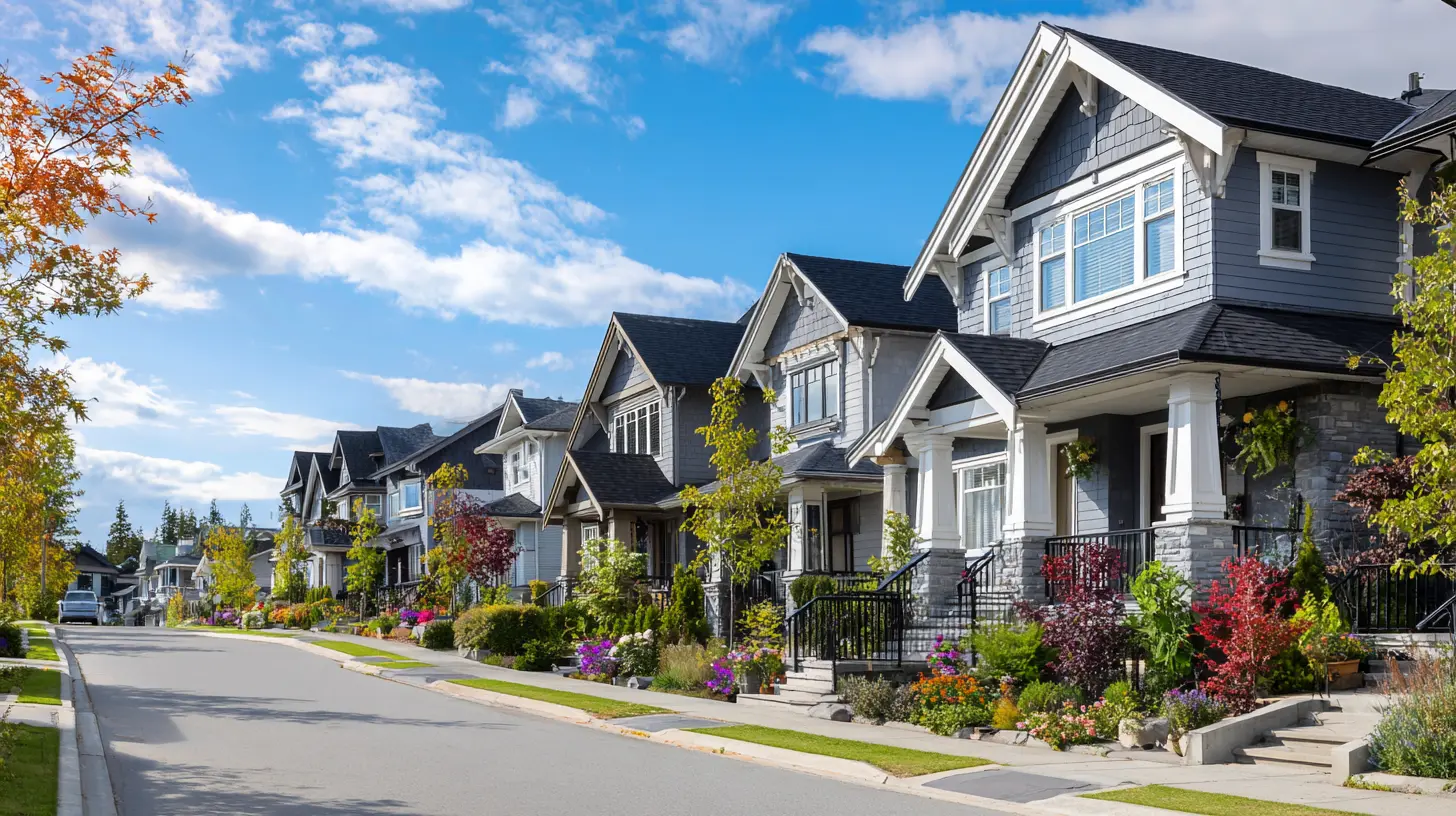
Here’s the part that surprises a lot of people: suburbs aren’t boring anymore. I know, I know—you’re picturing strip malls and chain restaurants. But in 2026, the suburbs have leveled up. They’ve become mini-cities, with their own breweries, co-working spaces, farm-to-table restaurants, and even live music venues.Developers have figured out that millennials won’t move to the suburbs if it means giving up their favorite coffee shop or yoga studio. So, they’ve built them right into suburban communities. You’ve got walkable downtowns, bike lanes, and green spaces that rival any city park. Some suburbs even have their own ride-share services and delivery zones.
It’s like the best of both worlds: the space and peace of the suburbs, with the convenience and culture of the city. And for millennials who want to raise kids but still feel like they have a social life, that’s a game-changer.
The School Factor: Millennials Are Parents Now
Let’s face it: a lot of millennials are parents now. And when you have kids, your priorities shift faster than a toddler on a sugar high. Suddenly, “good schools” isn’t just a checkbox—it’s the whole reason you move.City schools can be hit or miss. Even the good ones are often overcrowded, underfunded, or require a lottery system that feels like gambling. Suburban schools, on the other hand, are often top-rated, with more resources, smaller class sizes, and a focus on community involvement.
But it’s not just about academics. It’s about safety. Millennials want their kids to ride bikes, play outside, and have neighbors who know their names. In the suburbs, that’s the norm. In the city, it’s a luxury. And when you’re choosing where to raise your family, safety isn’t negotiable.
The Commute Revolution: How Remote Work Changed the Game
We touched on this earlier, but it deserves its own section. Remote work has been the single biggest driver of the suburban shift. In 2026, most millennials work hybrid schedules—three days at home, two in the office. That means the old “I need to live within 20 minutes of my job” rule is dead.Now, you can live an hour away from the city and still have a manageable commute because you’re only doing it twice a week. That opens up a huge range of suburban options that were previously off-limits. You can get more house for less money, and you don’t have to sacrifice your career to do it.
And for the fully remote workers? They’re moving even further out. Some are buying homes in exurbs—the suburbs of the suburbs—where land is cheap and you can have an acre of property for the price of a city parking spot.
The Social Shift: Community Over Crowds
There’s a misconception that suburbs are lonely. That everyone stays inside and doesn’t talk to their neighbors. But in 2026, that’s changing. Millennials are actively seeking community, and they’re finding it in the suburbs.Why? Because suburbs are designed for connection. You have block parties, neighborhood Facebook groups, and community gardens. You have walking trails where you see the same faces every day. You have local coffee shops where the barista knows your name.
In the city, you can be surrounded by millions of people and still feel invisible. In the suburbs, you’re more likely to build real relationships. And for a generation that’s been called “lonely” and “disconnected,” that’s a powerful draw.
The Environmental Angle: Greener Grass, Literally
Here’s a twist: moving to the suburbs can actually be greener than living in the city. Wait, what? I know, it sounds counterintuitive. But consider this: in the suburbs, you have space for solar panels, vegetable gardens, and electric vehicle charging. You can compost, raise chickens, and reduce your carbon footprint in ways that are impossible in a city apartment.Plus, suburban homes are often newer and more energy-efficient than older city buildings. And with the rise of electric bikes and public transit extensions, you don’t need a gas-guzzling car for every trip.
Millennials care about the environment. And in the suburbs, they can actually do something about it—without giving up their lifestyle.
The Mental Health Factor: Quiet Isn’t Boring
Let’s get real about mental health. The city is loud. It’s bright. It’s constant. And for a generation that’s already dealing with anxiety, burnout, and the weight of the world, that constant stimulation can be exhausting.The suburbs offer something precious: silence. Real, actual silence, where you can hear the birds and the wind and your own thoughts. That’s not boring—it’s healing. Millennials are prioritizing their mental health in 2026, and they’re realizing that a slower pace doesn’t mean a less fulfilling life.
It’s like the difference between a sprint and a marathon. Cities are sprints—fast, intense, and exhausting. Suburbs are marathons—steady, sustainable, and rewarding over the long haul.
The Technology Bridge: You Can Take the Millennial Out of the City…
One of the biggest fears about moving to the suburbs was losing access to city-level tech and services. But in 2026, that’s no longer a concern. High-speed internet is everywhere. Same-day delivery is standard. Telehealth means you don’t need a specialist in your zip code.You can work remotely, stream movies, order groceries, and take online classes—all from your suburban home. The city’s convenience has been replicated, and in many cases, improved. Plus, you have a yard. You can’t put a price on that.
The Financial Freedom Argument: Equity Over Rent
Here’s a number that stings: millennials have been paying rent for years, often with nothing to show for it. In the suburbs, homeownership is more attainable, and that means building equity. Equity is wealth. Wealth is freedom.In 2026, millennials are thinking long-term. They’re not just looking at this year’s rent; they’re looking at retirement, college funds, and financial stability. A suburban home is an investment. A city apartment is an expense. The choice is clear.
The Lifestyle Upgrade: More Than Just a House
Finally, let’s talk about lifestyle. The suburbs offer a different kind of life—one that’s more intentional, more connected, and more grounded. You have time for hobbies. You have space for guests. You have a garden, a workshop, a home gym.You’re not just surviving; you’re thriving. And for millennials who’ve spent years grinding in the city, that upgrade is worth everything.
Conclusion: The Suburbs Are the New Frontier
So, why are millennials choosing the suburbs over cities in 2026? Because the suburbs have evolved. They’re no longer the boring, cookie-cutter wastelands of the past. They’re vibrant, affordable, and designed for the way we actually live now.It’s not about giving up on the city. It’s about choosing a different kind of life—one that values space, peace, community, and financial sanity. And honestly? It’s working.
If you’re a millennial still on the fence, ask yourself: What am I really getting from the city that I can’t get in the suburbs? The answer might surprise you.
all images in this post were generated using AI tools
Category:
Millennial Home BuyingAuthor:

Cynthia Wilkins
Discussion
rate this article
2 comments
Cora Hines
Choosing the suburbs is a smart move for Millennials in 2026. With more space, affordability, and a sense of community, it's a chance to build a fulfilling life while enjoying the best of both worlds.
July 4, 2026 at 10:27 AM
Cynthia Wilkins
I completely agree. Suburbs offer the space and affordability many Millennials seek while still providing access to urban amenities. It's a great balance for a fulfilling lifestyle.
Dulce Riggs
Millennials' shift to suburbs in 2026 reflects a desire for space and community. Embracing remote work flexibility, they value affordability and quality of life, reshaping the housing market for generations to come.
April 25, 2026 at 12:15 PM
Cynthia Wilkins
Absolutely, the move highlights a fundamental change in priorities. Millennials are seeking more than just homes; they want a lifestyle that balances work, community, and affordability. It's reshaping our understanding of urban living.