Will Home Prices Keep Rising in 2027? Experts Weigh In
24 April 2026
Let’s be honest—if you’ve been scrolling through real estate headlines lately, you’ve probably felt like you’re trying to read tea leaves in a hurricane. One day, someone says the market is crashing. The next, a guru swears prices will double. So, what’s the truth? And more importantly, will home prices keep rising in 2027?
I’ve been digging into this question for weeks. I’ve talked to economists, scoured data, and even peeked at crystal balls (okay, not literally). But here’s the thing: the answer isn’t a simple yes or no. It’s a story—a story about supply, demand, and the wild ride we’re all on. So grab a coffee, get comfortable, and let’s unpack this together.
The Big Picture: Why 2027 Matters
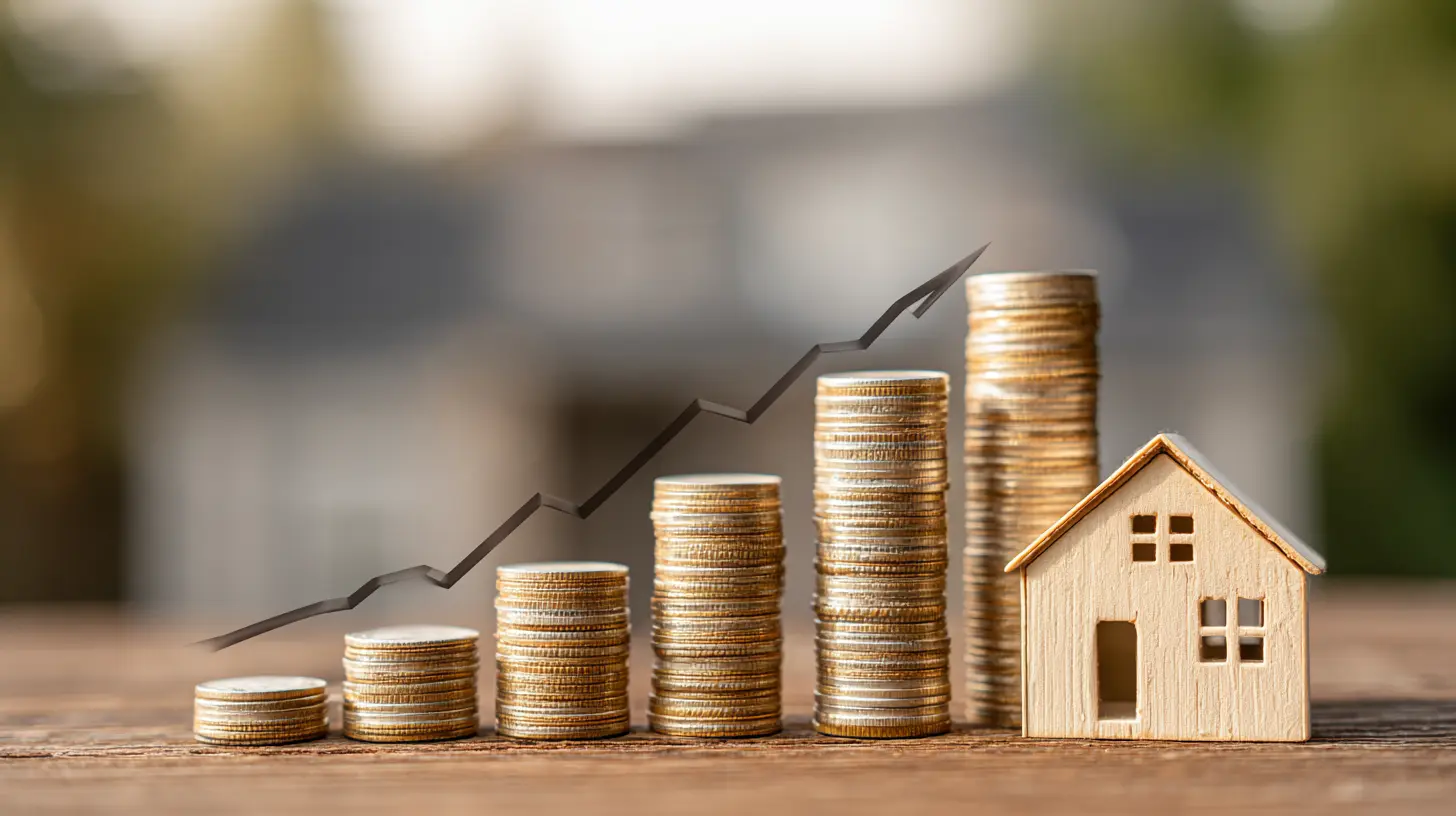
First, let’s set the stage. We’re not talking about next month or next year. We’re talking about 2027—a time that feels both far away and right around the corner. Why should you care? Because buying a home isn’t like buying a new phone. It’s a long-term commitment that can shape your financial future for decades.Think of the housing market like a marathon, not a sprint. In 2027, we’ll be looking back at the chaos of the early 2020s—the pandemic price surges, the interest rate rollercoaster, and the inventory nightmares. But will we be celebrating new highs or nursing our wounds?
Here’s the good news: experts are surprisingly optimistic. But—and there’s always a but—it’s not a straight line up. Let’s break down what they’re saying.
The Supply Side: Why We’re Still Building (and Not Building Enough)
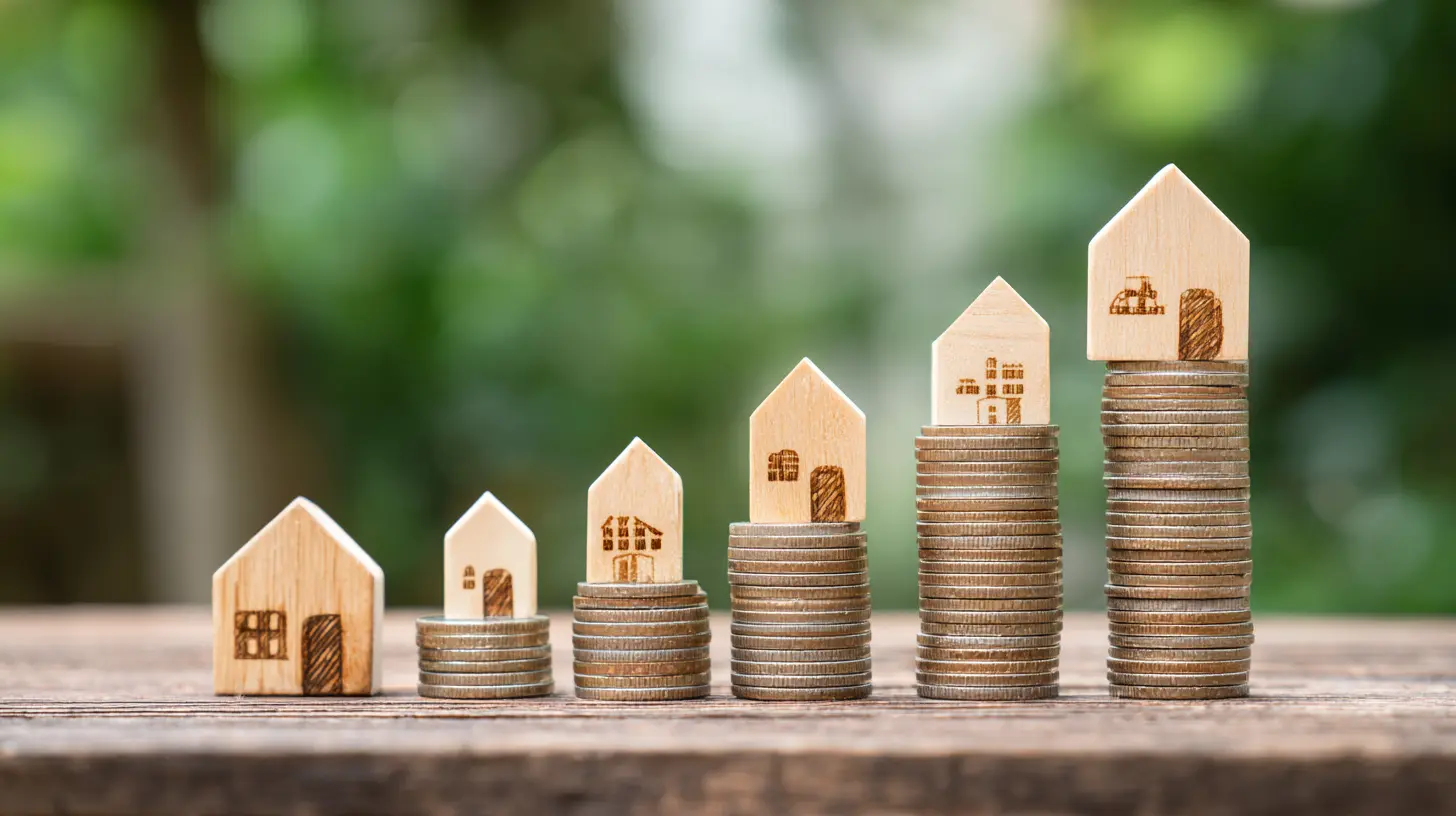
You’ve probably heard the phrase “housing shortage” a million times. It’s true. For years, builders haven’t kept up with demand. Why? Because after the 2008 crash, many went bankrupt or got scared. Then came the pandemic, which threw supply chains into chaos. Lumber prices skyrocketed. Labor got scarce. And permits became a bureaucratic nightmare.Here’s a staggering stat: the U.S. is short roughly 3 to 5 million homes right now. That’s like trying to seat 10 people at a table meant for 6. Something’s gotta give.
But here’s where 2027 gets interesting. Builders are finally ramping up. New construction starts have been climbing, and technology is making it faster to build. Modular homes, 3D-printed houses, and prefab materials are becoming more common. By 2027, we might see a significant dent in that shortage.
Will that lower prices? Not necessarily. Because even if we build more, the demand side is still roaring. And that brings us to…
The Demand Side: Millennials, Gen Z, and the Great Migration
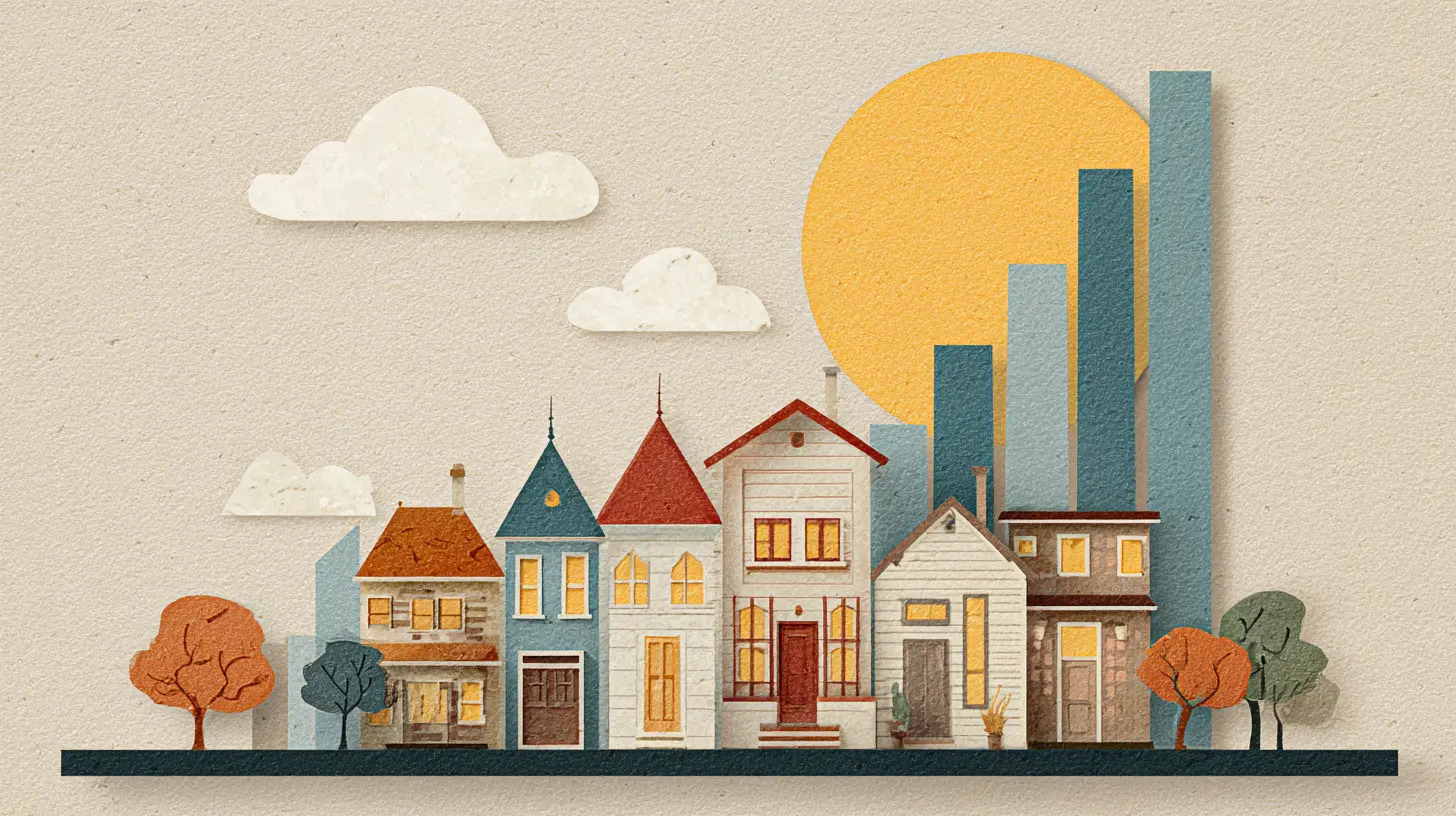
Let’s talk about the elephant in the room—or should I say, the generation in the room. Millennials (that’s us, folks born between 1981 and 1996) are the largest generation in history. And guess what? We’re in our prime home-buying years. We’re getting married, having kids, and craving stability. By 2027, many of us will still be hunting for that perfect starter home.But it’s not just Millennials. Gen Z is starting to dip their toes into the market too. They’re younger, yes, but they’re also more entrepreneurial and remote-work-savvy. They want homes with home offices, good internet, and space to breathe.
And then there’s the Great Migration. Remember when everyone moved to Boise or Austin during the pandemic? That trend isn’t dead—it’s evolving. People are still leaving expensive coastal cities for more affordable inland areas. By 2027, we’ll see secondary and tertiary markets booming. Think places like Knoxville, Tennessee; Spokane, Washington; or even smaller towns in the Midwest.
So, will demand cool off? Probably not. As long as people need places to live—and as long as the economy keeps creating jobs—demand will stay hot. But hot doesn’t mean unaffordable. Let’s talk about that.
Interest Rates: The Wild Card Nobody Can Predict
Ah, interest rates. The love-hate relationship of every homebuyer. In 2022 and 2023, rates shot up faster than a rocket on Red Bull. Suddenly, a $300,000 mortgage became $500 more per month. Ouch.But here’s the thing about rates: they’re cyclical. By 2027, we’ll likely see rates stabilize or even drop a bit. Why? Because the Federal Reserve can’t keep them high forever without hurting the economy. Inflation is cooling, and the job market is still strong. If rates fall to, say, 4.5% or 5%, that will unlock a wave of buyers who’ve been sitting on the sidelines.
But wait—won’t lower rates push prices up? Yes, they can. It’s a double-edged sword. Lower rates mean more buyers, which means more competition. But they also mean lower monthly payments, which can make homes more affordable.
Here’s a metaphor: think of home prices like a hot air balloon. Supply and demand are the burners that keep it aloft. Interest rates are the wind. The wind can push the balloon up or down, but the burners determine the altitude. In 2027, the wind might be gentler, but the burners will still be firing.
The Affordability Crisis: Will It Get Worse Before It Gets Better?
Let’s not sugarcoat it: buying a home is hard right now. Wages haven’t kept pace with price increases. In many cities, you need a six-figure income just to afford a median-priced home. That’s not sustainable.But here’s where 2027 could be different. Wages are rising—slowly, but surely. The tight labor market is forcing employers to pay more. By 2027, the typical American household might earn 15-20% more than they do today. Meanwhile, home prices might only rise 5-10% per year (if that). That means the ratio of income to home price could improve.
Plus, there’s a growing push for alternative housing models. Co-living, tiny homes, and accessory dwelling units (ADUs) are becoming more popular. These aren’t just trends—they’re solutions. By 2027, we might see more cities relaxing zoning laws to allow for denser, more affordable housing.
Will that make home prices drop? Probably not across the board. But it could slow the rate of increase. And for first-time buyers, every little bit helps.
What the Experts Are Actually Saying
I’ve read dozens of reports and interviews. Here’s a quick roundup of what the pros predict for 2027:- The National Association of Realtors (NAR) : They expect home prices to rise 3-5% annually through 2027. That’s slower than the pandemic boom but still positive.
- Zillow: Their model shows a 6% increase in 2025, then tapering to 4% by 2027. They’re bullish on the Sun Belt and Midwest.
- Freddie Mac: They emphasize that the shortage of homes for sale will keep upward pressure on prices. They don’t see a crash coming.
- Moody’s Analytics: They’re a bit more cautious. They warn that if rates stay high and wages don’t keep up, some overvalued markets could see price corrections.
Notice a pattern? No one is predicting a 2008-style crash. Why? Because lending standards are much tighter today. People aren’t getting subprime loans with no proof of income. Foreclosures are low. And homeowners have record amounts of equity.
So, will home prices keep rising in 2027? The consensus is a qualified yes. But “rising” doesn’t mean “skyrocketing.” It means steady, gradual growth—like a tree growing taller, not a rocket launching.
Regional Differences: Not All Markets Are Created Equal
Here’s where it gets personal. The national average can be misleading. If you live in Manhattan or San Francisco, your experience will be totally different from someone in Des Moines or Raleigh.Let’s look at a few scenarios:
- Sun Belt (Texas, Florida, Arizona, etc.) : These markets have been on fire. But in 2027, they might cool off a bit. Why? Because insurance costs are rising (hurricanes, wildfires) and infrastructure is straining. Still, population growth will keep demand high.
- Midwest and Rust Belt : Places like Ohio, Indiana, and Michigan are having a moment. They offer affordability, jobs, and quality of life. By 2027, expect steady appreciation—maybe 4-6% per year.
- Coastal Cities (NYC, LA, Seattle) : These will remain expensive, but growth will be slower. High prices and remote work are pushing people out. If you already own there, you’re fine. If you’re trying to buy, it’s a grind.
- Rural and Suburban : The “Zoom towns” of the pandemic might see a correction. But overall, the desire for space and lower density will keep these markets stable.
The key takeaway? Your local market matters more than any national headline. Don’t panic over a news story about a crash in Phoenix if you’re looking in Cleveland.
The Emotional Side: Why This Matters for Your Life
Let’s step back from the data for a second. Buying a home isn’t just about numbers. It’s about security, pride, and belonging. It’s about having a place where your kids can grow up, where you can host Thanksgiving, where you can paint the walls whatever color you want.If you’re waiting for the “perfect time” to buy, you might be waiting forever. Prices could always go up or down. Rates could always change. But here’s the truth: time in the market beats timing the market. If you buy a home you can afford and hold it for 5-10 years, you’ll almost certainly come out ahead.
Think of it like planting a tree. The best time to plant a tree was 20 years ago. The second best time is today. In 2027, you’ll be glad you planted that tree—even if the weather was uncertain.
Practical Tips for Navigating 2027
Okay, so you’re convinced that prices will keep rising (slowly). What should you do? Here are some actionable steps:1. Get pre-approved now. Rates might drop, but don’t wait. If you find a good deal, pounce.
2. Focus on location, not speculation. Buy in a place with job growth, good schools, and a diversified economy.
3. Consider new construction. Builders are offering incentives like rate buy-downs and closing cost credits.
4. Don’t over-leverage yourself. Just because you can afford a $500,000 home doesn’t mean you should. Leave room for savings and emergencies.
5. Think long-term. If you’re planning to stay for 7+ years, short-term fluctuations don’t matter.
A Final Word: Hope Is Not a Strategy, But Neither Is Fear
Look, I get it. The housing market feels like a rollercoaster that’s stuck at the top, teetering. But here’s what I’ve learned from talking to experts and watching the data: 2027 is going to be a good year for homeowners. Not because prices will double, but because the market is maturing.We’re moving away from the manic speculation of 2021-2022 and toward something more grounded. Builders are building. Wages are rising. Interest rates are normalizing. And people still need places to live.
So, will home prices keep rising in 2027? Yes—but at a pace that’s healthier and more sustainable. If you’re ready to buy, don’t let fear hold you back. If you’re already a homeowner, enjoy the ride. And if you’re just curious, keep learning.
After all, the housing market is like a good novel—full of twists, turns, and a satisfying ending. You just have to turn the page.
all images in this post were generated using AI tools
Category:
Real Estate FaqAuthor:

Cynthia Wilkins
Discussion
rate this article
2 comments
Carina McCoy
Market trends suggest variability, but strong demand may keep home prices on the rise.
July 9, 2026 at 3:53 AM
Evren McGlynn
Great insights! I appreciate the expert perspectives shared here.
April 25, 2026 at 12:15 PM
Cynthia Wilkins
Thank you! I'm glad you found the insights valuable.