Shift in Driving Habits May Transform Housing Market Dynamics
January 20, 2026 - 00:54

Americans are driving significantly less than they did two decades ago, a trend that poses potential challenges for the housing market. A recent report highlights that despite this decrease in driving, the majority of new housing developments are still being constructed in areas that rely heavily on automobiles. This mismatch could lead to a fundamental shift in how housing is valued and where it is located.
As urban populations become more environmentally conscious and seek alternatives to car travel, the demand for homes in walkable neighborhoods is likely to rise. This change could create a surplus of properties in car-dependent regions, potentially decreasing their value. Additionally, the growing preference for public transportation and biking could further influence where people choose to live.
Real estate developers and urban planners may need to reconsider their strategies to align with these evolving preferences. The trend of reduced driving could ultimately reshape the landscape of housing, leading to a more sustainable and accessible future for communities across the nation.
MORE NEWS
July 25, 2026 - 02:03
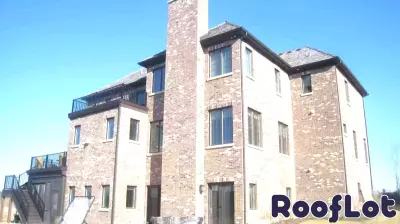
DJ Moore Sells His Vernon Hills Home for 1.85 MillionDJ Moore, the former Chicago Bears wide receiver, has sold his impressive home in Vernon Hills for 1.85 million dollars. Built in 2016, this residence is nestled in the desirable Gregg`s Landing...
July 24, 2026 - 21:33
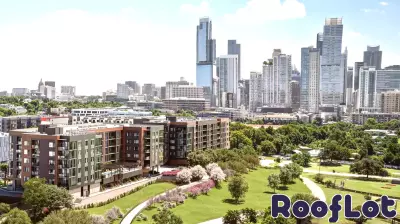
Viceroy Hotels Expands to Austin with New Luxury Condo PartnershipViceroy Hotels and Residences is making its mark in Texas by joining forces with Pearlstone Partners to manage an upscale condominium project in downtown Austin. This collaboration brings a fresh...
July 24, 2026 - 11:34
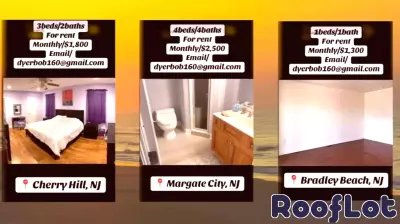
South Jersey realtor warns of TikTok rental scam using cloned property listingsA real estate agent in South Jersey is alerting the public to a growing scam on TikTok where fraudsters clone real property listings to trick renters. According to local agents, scammers copy...
July 23, 2026 - 22:17
Coastal Virginia Realtor Groups Unite Under New NameTwo major real estate associations covering the Peninsula and South Hampton Roads have officially merged, creating a single organization that will serve agents across the region. The new entity...