Creating Harmony in Your Landscape Design for Maximum Impact
21 December 2025
When you step into a beautifully landscaped garden, there’s an immediate sense of peace and balance. Everything seems to flow effortlessly—the colors, textures, and structures align perfectly. But achieving this level of harmony in your own landscape design doesn’t happen by accident. It takes a little planning, creativity, and a touch of nature-inspired magic.
If you want a garden that feels like an extension of your home—a sanctuary where you can relax, recharge, and impress your guests—you’re in the right place. Let’s dive into the secrets of creating eye-catching and harmonious landscape designs that make a lasting impact. 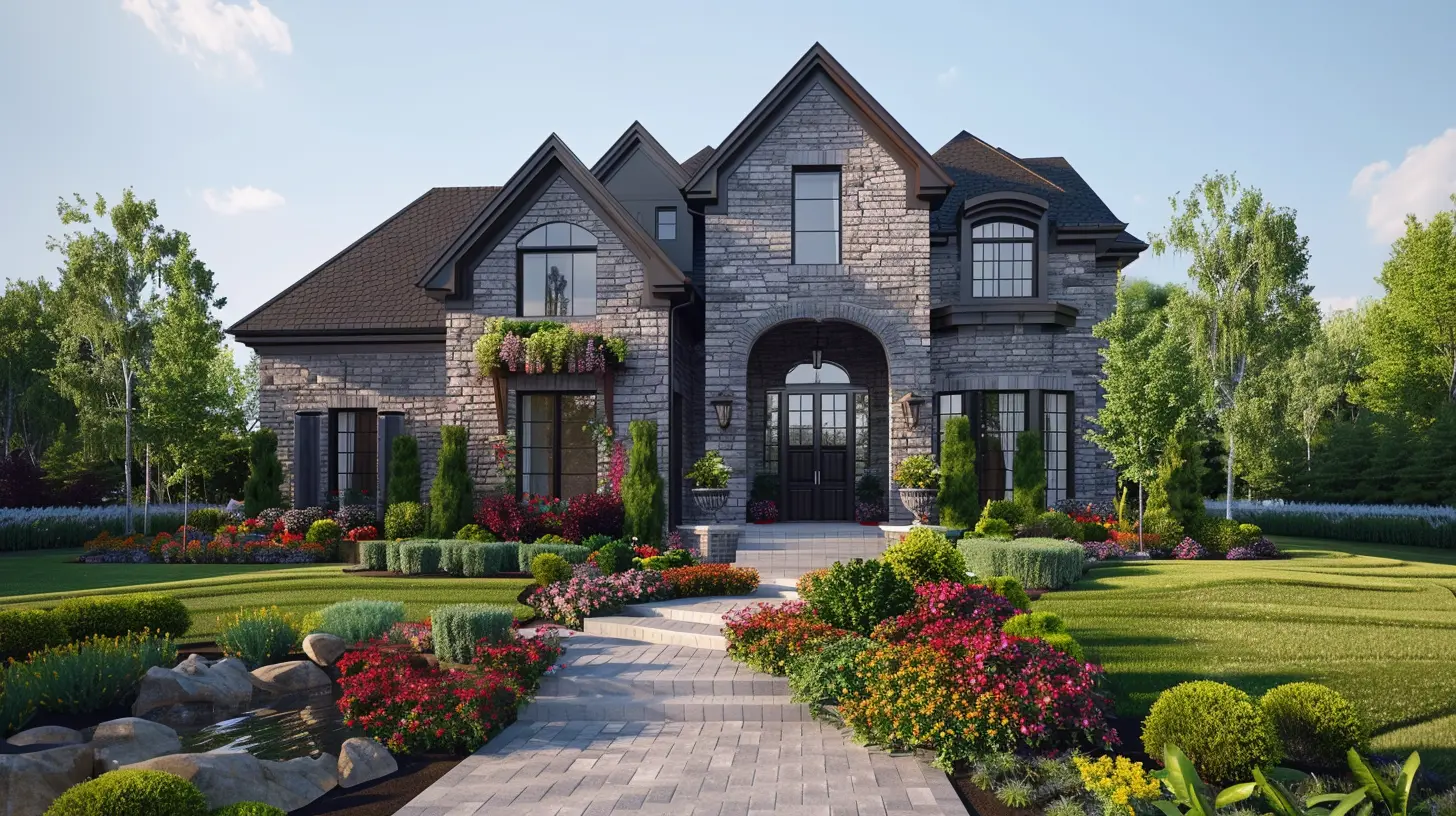
The Importance of Harmony in Landscape Design
Harmony isn’t just about aesthetics; it’s about creating a space that makes you feel good. When your outdoor environment has a natural flow, it becomes inviting, comfortable, and even therapeutic. Imagine walking through a garden where everything works together—colors complement rather than clash, textures add interest without overwhelming, and everything has its place. That’s the beauty of a well-balanced landscape.But how do you achieve this? It all comes down to design principles, intentional choices, and a little bit of creativity.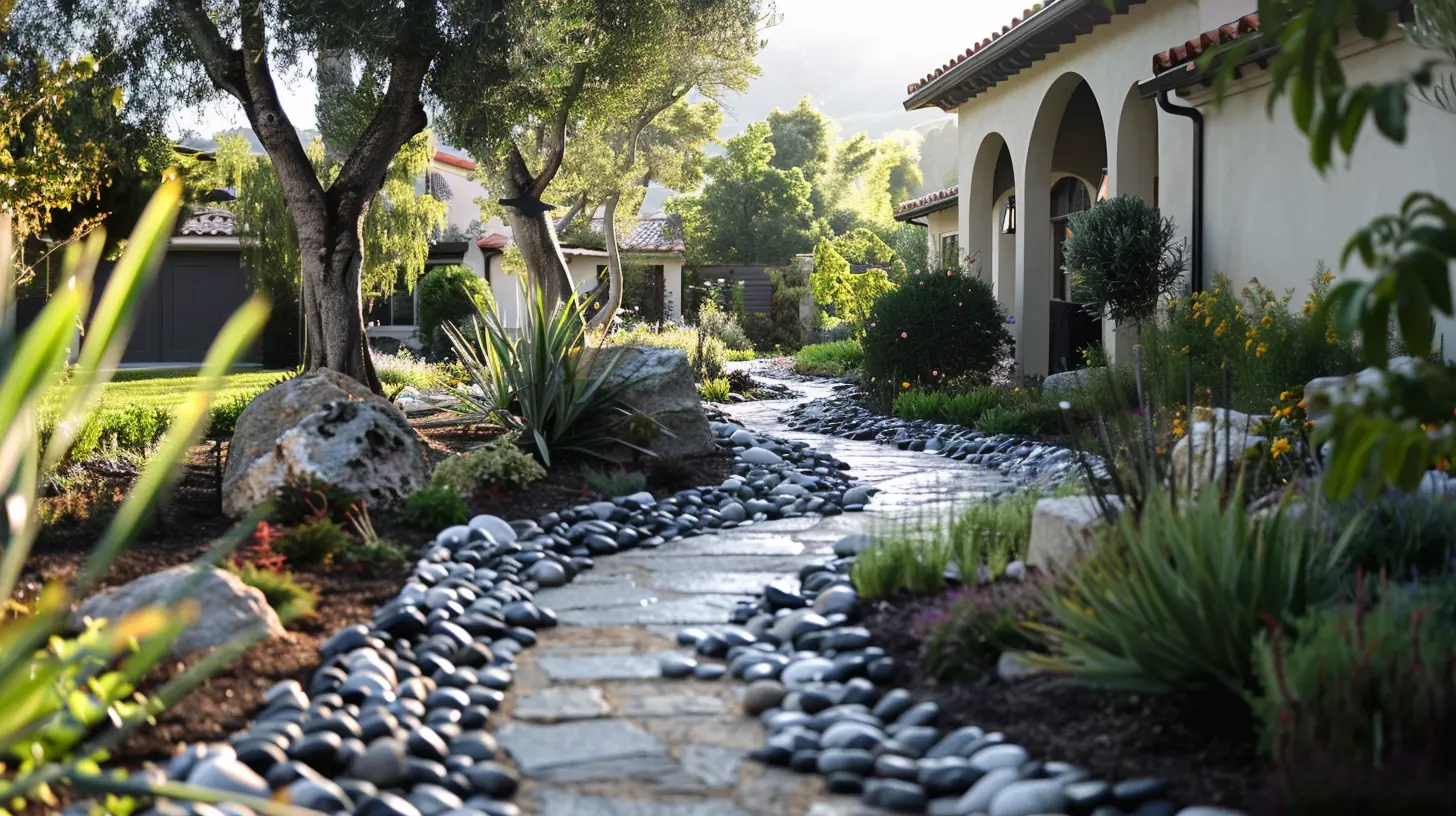
Key Principles for Creating a Balanced Landscape
To create an outdoor space that feels cohesive and visually stunning, you need to follow a few design principles. These principles help guide your choices and ensure that all the elements work together harmoniously.1. Cohesion Through Color
Color is one of the most powerful tools in landscape design. It sets the mood and draws attention to focal points. To create harmony, choose a color palette that complements your home and surroundings.- Stick to three to five complementary colors for a balanced look.
- Use cool tones (blues, purples, and greens) for a calming effect.
- Add warm tones (oranges, yellows, and reds) for an energetic vibe.
A simple way to achieve color harmony is to observe nature. Look at a forest, a meadow, or even a beach—Mother Nature has already figured out the perfect color combinations!
2. Repetition for Rhythm and Flow
Repetition brings consistency to a garden, preventing it from looking chaotic. When plants, materials, or colors are repeated, the eye naturally moves through the space in a smooth, rhythmic way.- Use the same type of flower or plant in different areas of your yard.
- Repeat hardscape materials like stone, brick, or wood to keep things unified.
- Incorporate symmetry by mirroring plants or features on both sides of a pathway.
When done right, repetition creates a sense of predictability and comfort—qualities that make a landscape feel harmonious.
3. Proportion and Scale Matter
Imagine placing a tiny potted plant in the middle of a vast backyard—it would look lost. The same applies to large, overpowering shrubs in a small front yard. Proportion and scale are crucial in making sure elements fit together.- Select plants that match the size of your space—tall trees for large yards, and smaller shrubs for compact areas.
- Blend different plant heights to create depth and interest.
- Use large decorative features sparingly so they don’t dominate the space.
Think of your garden as a puzzle—each piece should fit naturally without looking out of place.
4. Balance Between Soft and Hard Elements
A beautiful garden isn’t just about plants—it includes hardscape elements like walkways, patios, and decorative rocks. The key to a harmonious landscape is finding the right balance between soft (plants) and hard (structures) elements.- Use stone, wood, or brick accents to break up large green spaces.
- Incorporate water features like ponds or fountains to soften hard edges.
- Create pathways and planters that tie different areas together.
Too much hardscape can make a garden feel cold and rigid, while too many plants can create an overgrown, untamed look. The trick is finding a happy middle ground.
5. Create Focal Points to Draw Attention
A focal point is a must-have in a landscape design. It gives the eye a place to rest and adds personality to the space.- Add a garden bench, sculpture, or large plant as a statement piece.
- Use a dramatic tree or flowering plant as a natural focal point.
- Designate a fire pit or water feature as a gathering spot.
A well-placed focal point not only adds interest but also directs the flow of movement in your garden, making it feel intentional and thoughtfully designed.
6. Layering for Depth and Dimension
Just like in interior design, layering is essential for achieving a dynamic and textured look in a landscape. Instead of planting everything at the same height, think in layers.- Start with the tallest plants (like trees or tall shrubs) in the back.
- Add medium-height plants (bushes, ornamental grasses) in the middle.
- Use low-growing plants (ground cover, flowers) in the front.
This layering technique creates depth and ensures that every plant has its moment to shine. It also mimics how nature grows in the wild! 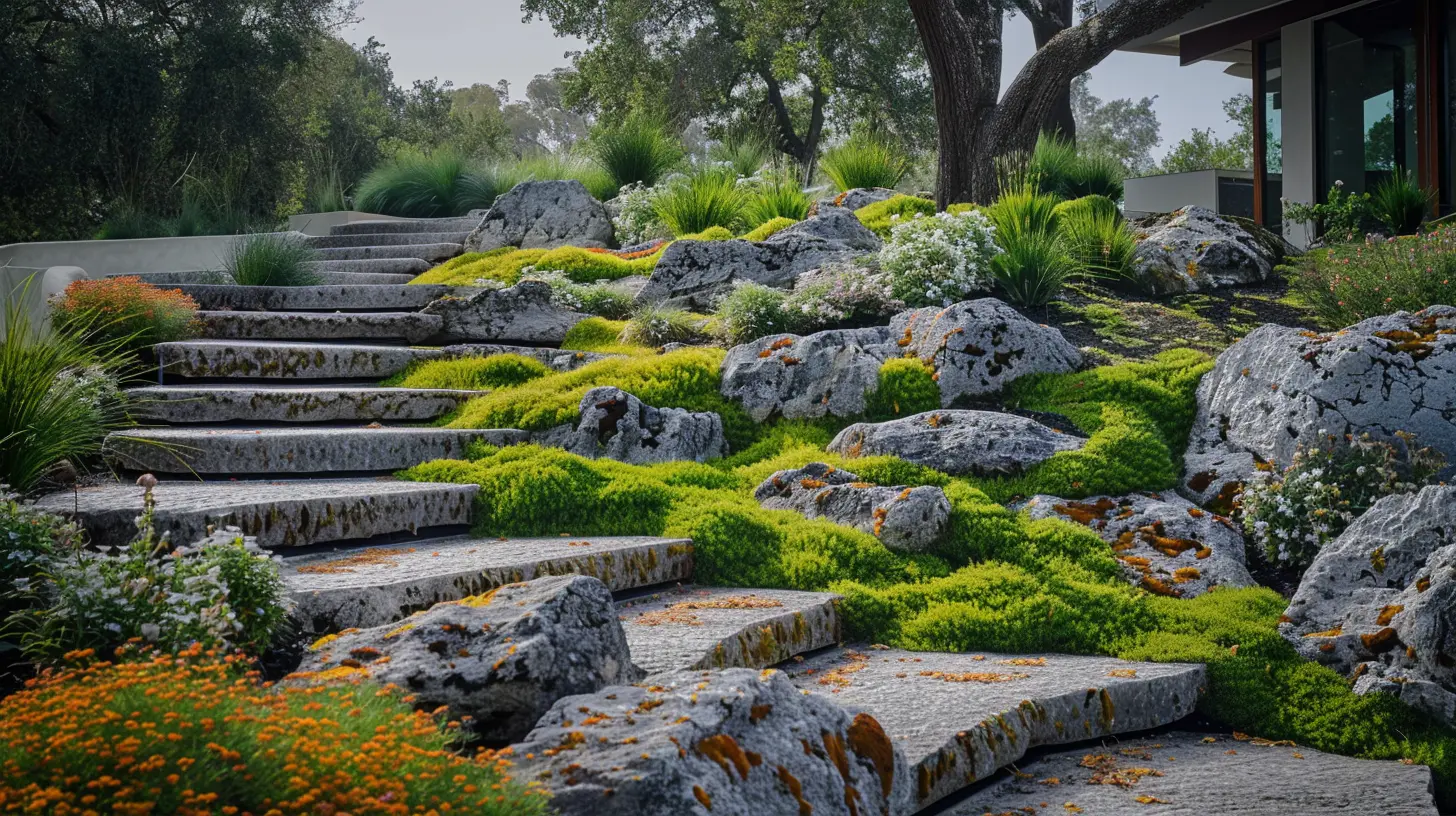
Personalizing Your Outdoor Space
Now that you understand the principles of landscape harmony, it’s time to add your personal touch! Your outdoor space should reflect your personality and lifestyle.Incorporate Your Favorite Plants
Do you love roses? Maybe you’re into succulents or Japanese maples. Whatever speaks to you, make sure to include plants that bring you joy.Design for Functionality
Your landscape should be as functional as it is beautiful. Need a space for entertaining? Create a patio or deck. Want a quiet escape? Design a cozy reading nook surrounded by greenery.Add Lighting for Evening Ambiance
A well-lit garden extends its usability into the evening hours. Use soft garden lights, lanterns, or solar-powered path lights to enhance the mood.Make It Wildlife-Friendly
Attract birds, butterflies, and bees by planting native flowers and adding birdbaths or feeders. A thriving ecosystem naturally enhances harmony in your landscape.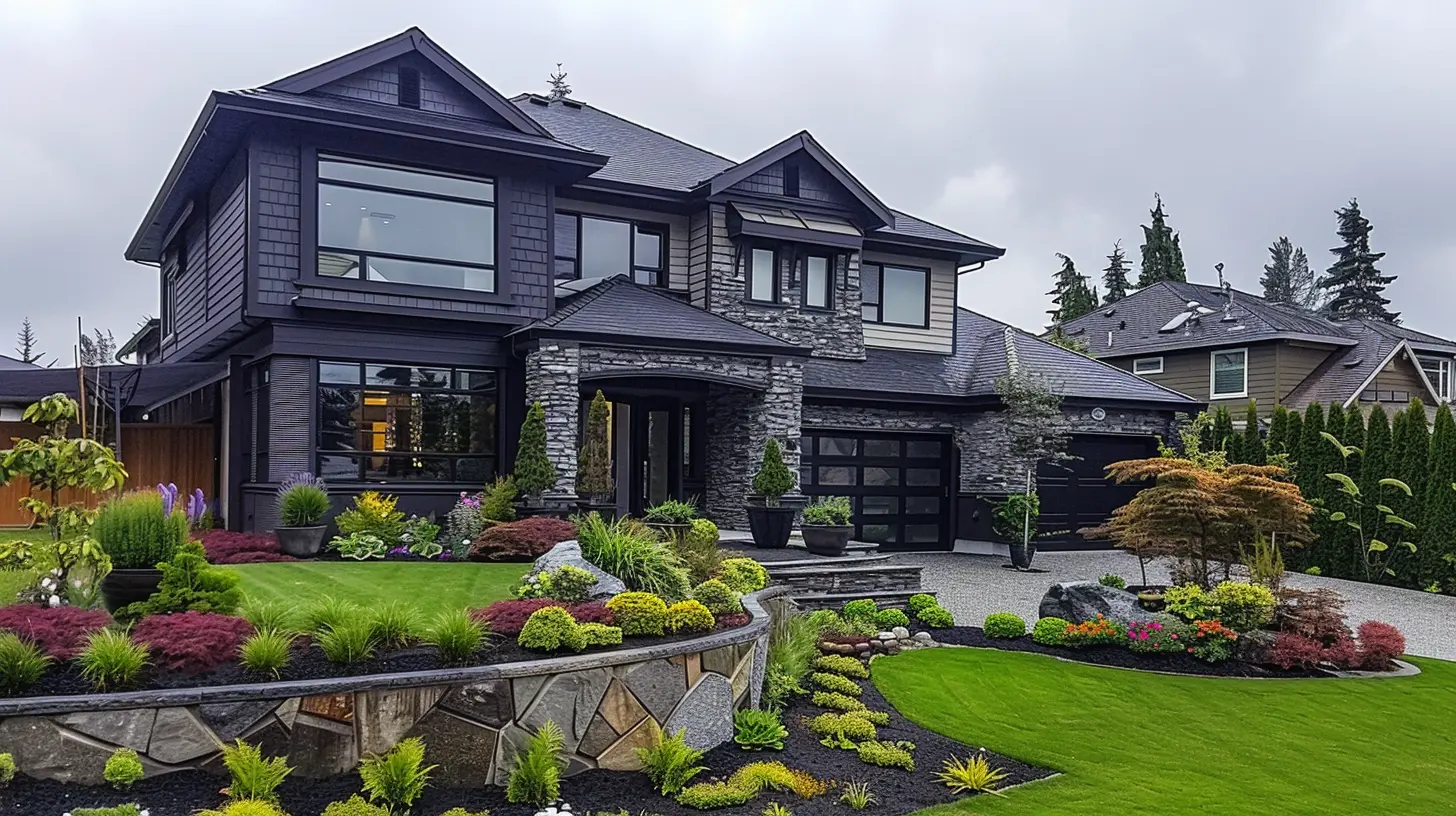
Keeping Your Landscape Looking Beautiful
Once you’ve created a harmonious landscape, maintaining it is key to keeping its beauty intact.- Regular pruning keeps plants healthy and prevents overgrowth.
- Seasonal plant rotations ensure year-round visual appeal.
- Mulching and watering schedules promote plant health and soil vitality.
Remember, a well-maintained garden not only looks beautiful but also feels inviting every time you step outside.
Final Thoughts
Creating harmony in your landscape design isn’t about following rigid rules—it’s about making thoughtful choices that bring everything together in a seamless, beautiful way. By considering color, repetition, balance, and focal points, you can create a space that feels both intentional and serene.So, whether you’re starting from scratch or refining your existing garden, put these principles into action—and watch your outdoor space transform into a peaceful, stunning retreat that truly makes an impact!
all images in this post were generated using AI tools
Category:
Curb AppealAuthor:

Cynthia Wilkins
Discussion
rate this article
2 comments
Thaddeus Castillo
This article sparks a fascinating exploration of landscape design! I’m intrigued by the concept of harmony in outdoor spaces. How do elements like color, texture, and layout work together to create that perfect balance? Excited to learn more!
January 12, 2026 at 9:00 PM
Cynthia Wilkins
Thank you! I'm glad you're intrigued! Color, texture, and layout all play crucial roles in creating harmony. They work together to evoke emotions, guide the eye, and create cohesive spaces. I'll dive deeper into these elements in future posts—stay tuned!
Viva Baxter
Absolutely loved this article! 🌿 Creating harmony in landscape design truly transforms spaces into joyful havens. The tips provided are incredibly inspiring—can’t wait to implement them and enjoy nature’s beauty even more! 🌼✨
December 23, 2025 at 1:15 PM
Cynthia Wilkins
Thank you so much for your kind words! I'm thrilled to hear you found the tips inspiring—happy designing! 🌿✨