Emerging Technologies in Real Estate Analytics You Should Know About
1 June 2026
Real estate isn’t what it used to be. The days of relying solely on gut feelings and driving around neighborhoods in search of “For Sale” signs are long gone. Today, it's all about data—big, juicy, mind-blowing amounts of data. And guess what? The tech revolution hasn’t skipped over real estate.
From artificial intelligence to blockchain, emerging technologies are turning real estate analytics into something out of a sci-fi movie. But don’t worry—you don’t need to be a tech wizard to get what’s happening. Buckle up, because we’re diving into the cutting-edge technologies shaping the future of real estate analytics! 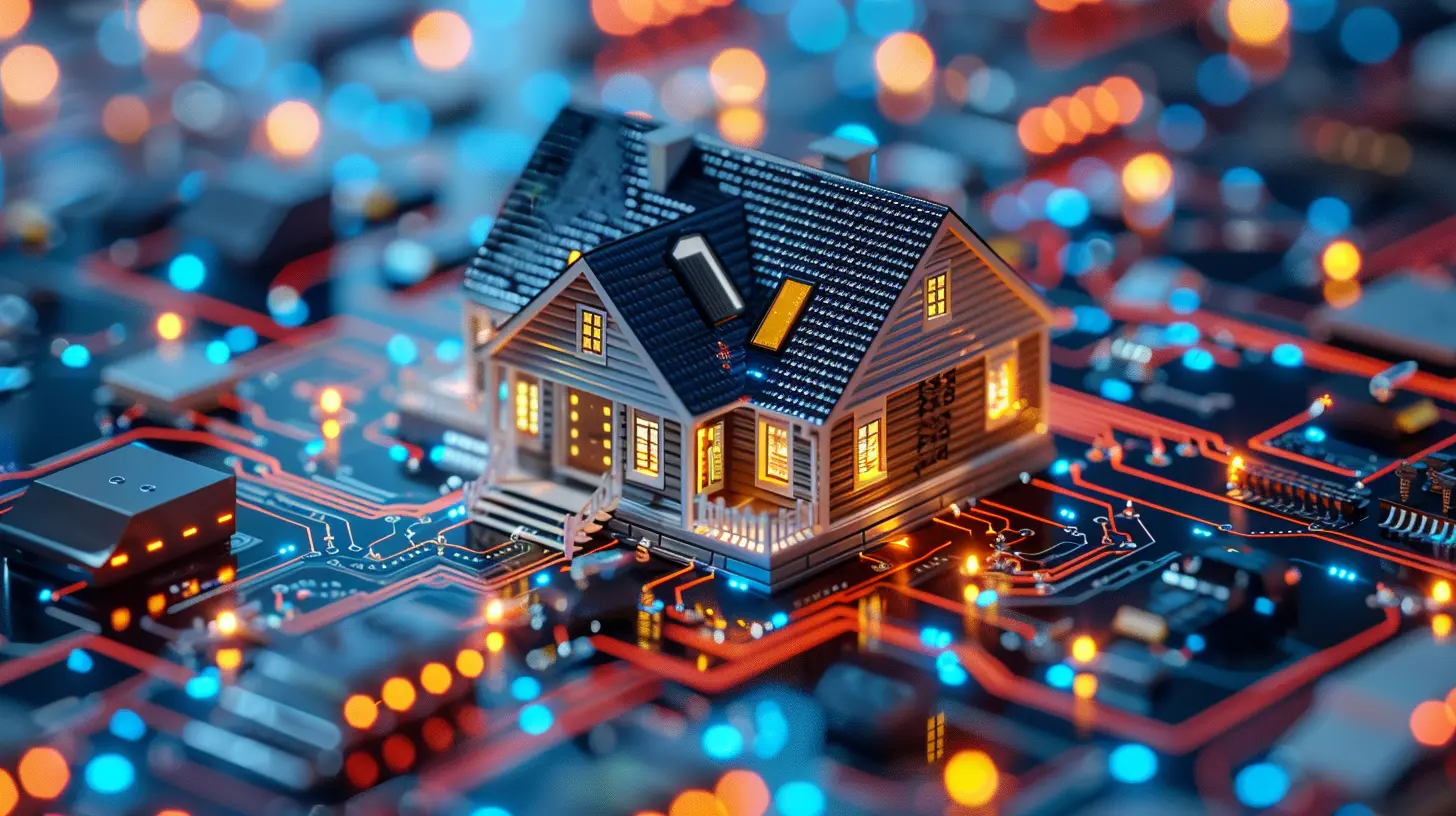
1. Artificial Intelligence (AI): The All-Seeing Eye of Real Estate
Remember when real estate agents had to rely on gut feelings and experience to predict market trends? Yeah, AI has pretty much thrown that playbook out the window.How AI is Changing the Game
AI algorithms can crunch massive amounts of data in seconds, making property valuations, market predictions, and customer recommendations more accurate than ever. Think of AI as that one friend who remembers every single detail about you and suggests the perfect Netflix show—except instead of movies, it's predicting the next real estate goldmine.The Perks of AI in Real Estate Analytics
✅ Predicting Market Trends: AI can analyze economic data, housing demand, and even social factors to predict whether prices will soar or plummet.✅ Better Investment Decisions: Investors no longer have to roll the dice—AI evaluates risks and opportunities based on real-time data.
✅ Chatbots & Virtual Assistants: Real estate agents now have AI-powered assistants that handle inquiries, schedule appointments, and engage buyers 24/7 (without coffee breaks).
2. Blockchain: The Trust Machine
If the word "blockchain" makes you think of Bitcoin and crypto bros, you're not wrong—but stay with me here. Blockchain is so much more than that.Why Blockchain Matters in Real Estate
Blockchain is all about security and transparency. Imagine a giant, unhackable digital ledger where every real estate transaction is recorded permanently. That means no shady deals, no missing paperwork, and no more headaches over fraud.Blockchain Superpowers for Real Estate
? Smart Contracts: Buying a house the old way meant endless paperwork, agents, and middlemen. With smart contracts, everything gets automated—meaning fewer fees and faster transactions.? Fraud Prevention: Since blockchain records can’t be altered, fake property listings and fraudulent deals become a thing of the past.
? Global Real Estate Investments: Ever thought about buying property in another country but got scared off by legal red tape? Blockchain makes cross-border transactions smoother than ever.

3. Big Data: The Crystal Ball of Real Estate
You know how Netflix seems to know exactly what you want to watch next? That’s not magic—that’s big data. And real estate is using it in the same way (minus the binge-watching).Big Data’s Role in Real Estate Analytics
Real estate analytics is now powered by an avalanche of data from sources like social media, IoT devices, and government records. By analyzing patterns, big data helps predict market trends, property values, and even buyer behavior.How Big Data is Making Waves
? Hyper-Accurate Pricing Models: No more relying on "comps" alone—big data can factor in everything from crime rates to Starbucks locations to predict a home’s true value.? Better Location Insights: Want to know if a neighborhood is on the rise? Big data can analyze foot traffic, business openings, and even social media check-ins to give you the inside scoop.
? Risk Assessment for Investors: Investors can now analyze thousands of data points to spot risks before they become costly mistakes.

4. Internet of Things (IoT): The Smart Revolution
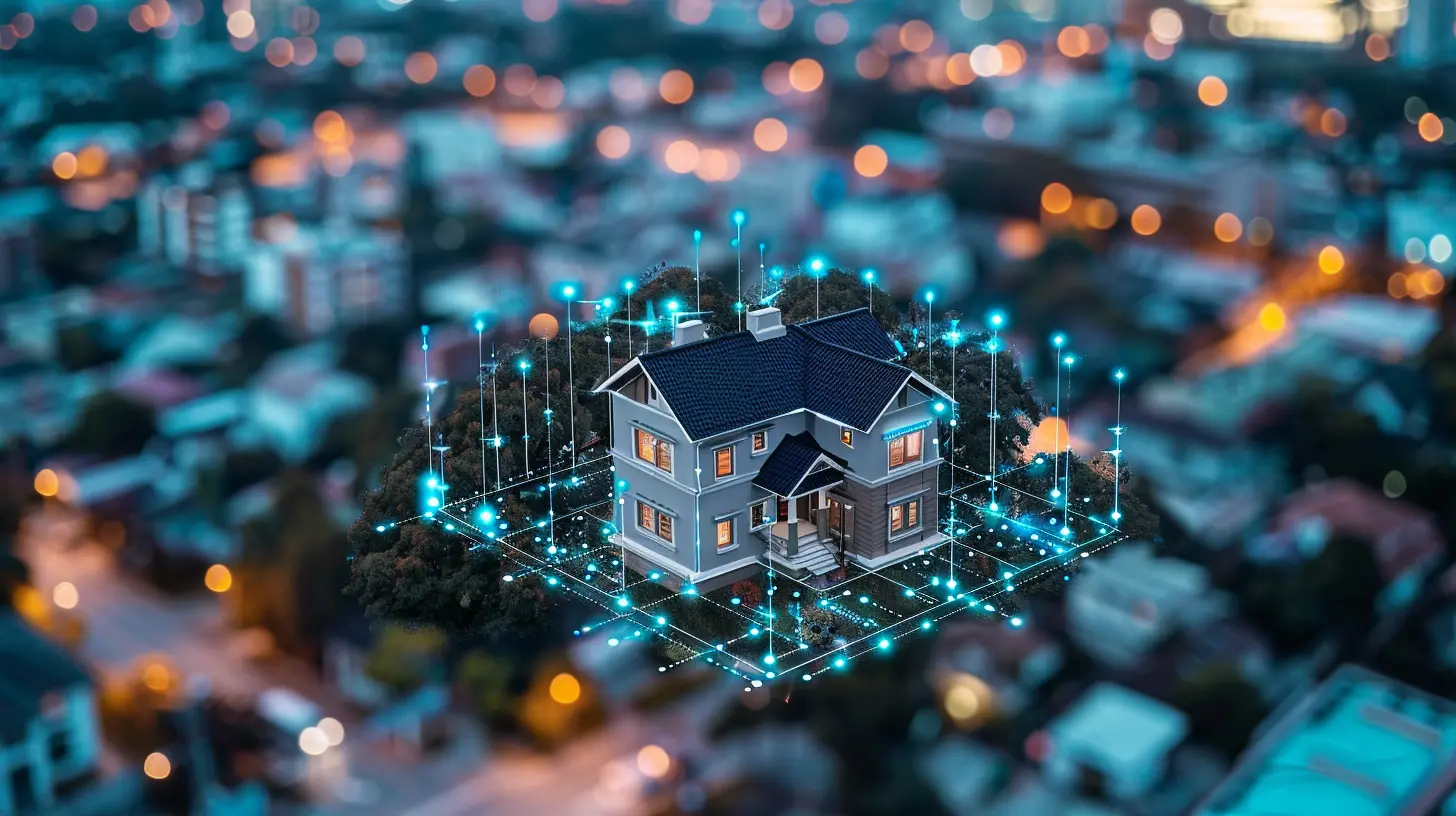
Imagine a world where buildings talk to you. No, not in a creepy haunted-house way—in a smart, data-driven way. That’s what IoT is all about.IoT and Real Estate Analytics
From smart thermostats to security cameras, IoT devices are collecting data that helps homeowners, landlords, and investors make smarter decisions. These gadgets gather real-time information on everything from energy usage to maintenance needs.Cool Ways IoT is Transforming Real Estate
? Smart Home Valuations: Homes with IoT devices can report on everything from energy efficiency to structural integrity, giving buyers a clearer picture.? Predictive Maintenance: Sensors can detect plumbing leaks or HVAC issues before they become expensive disasters. No more surprise breakdowns!
? Tenant Behavior Analysis: Property managers can use IoT data to optimize rental pricing and improve tenant experiences. (No more guessing what renters actually want!)
5. Augmented Reality (AR) & Virtual Reality (VR): The Real Estate Magic Show
Gone are the days of squinting at tiny floor plans and trying to imagine room sizes. AR and VR are turning real estate into a fully immersive experience—without even stepping foot outside.Real Estate’s Virtual Playground
VR lets you take a realistic 3D tour of a property from the comfort of your couch, while AR overlays digital information on a real-world view (think Pokémon Go, but for real estate).Why AR & VR Are Total Game Changers
? Virtual Property Tours: Buyers can explore homes from across the globe without booking a flight.?️ AR Interior Designing: Want to see how your furniture would look in a new place before moving? AR can do that!
? Pre-Construction Visualization: Developers can showcase properties before they’re even built, helping investors make informed decisions.
6. Predictive Analytics: The Fortune Teller of Real Estate
Wouldn’t it be great if you could look into the future and see if property values were going to skyrocket or tank? Well, predictive analytics is basically the next best thing.How Predictive Analytics Works
By analyzing historical data, economic indicators, and even weather patterns (yes, really), predictive analytics forecasts future real estate trends with eerie accuracy.Why Predictive Analytics is a Big Deal
? Market Timing: Investors can buy and sell properties at the perfect moment.? Better Tenant Screening: AI-driven predictive models can assess tenant reliability based on past rental behaviors.
? Personalized Property Recommendations: Search for one house, and suddenly, you’re shown listings that match your taste and budget perfectly.
Final Thoughts: The Future Is Now
Real estate analytics has gone from an old-school guessing game to a full-blown tech-powered revolution. Whether you’re an investor, a buyer, or just someone who enjoys scrolling Zillow for fun (no judgment), emerging technologies are changing the way properties are bought, sold, and valued.So, the next time you hear someone say, “Real estate is all about location, location, location,” you can nod and say, “Yes—but also AI, blockchain, IoT, and predictive analytics.” Sounds smart, right?
all images in this post were generated using AI tools
Category:
Real Estate AnalyticsAuthor:

Cynthia Wilkins
Discussion
rate this article
1 comments
Enid Banks
Emerging technologies in real estate analytics are transforming decision-making. Embracing these tools not only enhances operational efficiency but also leads to better investment insights. Staying informed is key to navigating this evolving landscape successfully.
June 2, 2026 at 3:25 AM
Cynthia Wilkins
You're right. Embracing these technologies can truly reshape how we approach real estate decisions and investments. It's an exciting time for the industry.