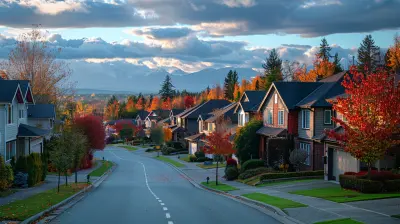
How the Home Search Process Is Changing for Millennials in 2026
17 April 2026
Remember when looking for a home meant driving around with a realtor on a Saturday, clutching a printed sheet of listings? For my generation, the Millennials, that image is fading faster than a polaroid in the sun. As we move through 2026, our home search process isn't just evolving; it's undergoing a full-scale revolution. We're not just buying a house; we're curating a lifestyle, and the tools, priorities, and pathways we use reflect that profound shift. So, grab a coffee (artisanal, cold brew, or otherwise), and let's walk through what home hunting really looks like for us now. It’s less about open houses and more about open tabs, less about square footage and more about… well, you’ll see.

The Digital-First (And Often, Digital-Only) Foundation
Let's be honest: our search begins and, for a significant part, lives online. But by 2026, it's not just scrolling through Zillow. It's a multi-platform, hyper-immersive digital journey.Virtual Reality Isn't a Gimmick; It's a Necessity. For a generation scattered by remote work, the ability to "walk" through a home in another state or country isn't cool—it's critical. In 2026, high-quality 3D tours and VR walkthroughs are the bare minimum. We're using VR headsets or advanced interactive floor plans to check sightlines from the kitchen window, gauge natural light at different times of day (via time-lapse simulations), and even get a feel for closet space. It saves everyone time and heartache. Why would I fly across the country to see a house that has a bathroom layout I hate? I’ve already ruled it out from my couch.
Data, Not Just Dazzle. We are the data generation. We track our sleep, our spending, and our steps. So why wouldn't we apply that to the biggest purchase of our lives? Advanced platforms now offer integrated data overlays: not just property taxes, but projected utility costs based on the home's efficiency, historical flood plain data, noise pollution maps, "walkability" and "bikeability" scores down to the half-block, and even future development plans for the neighborhood. We’re cross-referencing school district APIs with community forums. The listing description saying "cozy" might mean "small," but the data tells the real story.

The Evolving "Why": Values Over Vanity
This is the heart of the change. The classic markers of success are being redefined. The sprawling McMansion at the end of a cul-de-sac? For many of us, that feels more like a trap than a trophy.Sustainability as a Non-Negotiable. This isn't about just having Energy Star appliances (though that's nice). It's a core value. In 2026, we're actively seeking—and often willing to pay a premium for—homes with solar panel readiness, genuine passive design principles, superior insulation, water reclamation systems, and all-electric setups powered by renewable grids. We're asking for the home's "energy resume." A high utility bill isn't just an expense; it feels like a personal moral failing against the backdrop of climate anxiety. The home isn't just a place to live; it's a statement of our environmental ethos.
The Hybrid-Hub Mandate. The pandemic permanently rewired our expectations. The "home office" is dead. Long live the "Home Hub." We're not looking for a spare bedroom to stick a desk in. We're looking for dedicated, well-designed spaces that seamlessly accommodate living, working, creating, and connecting. This means intentional layouts: sound-buffered zones for video calls, proper ergonomic design, and robust, multi-node WiFi systems are as important as the kitchen countertops. The garage isn't just for cars; it's a potential workshop, podcast studio, or micro-fitness space. Flexibility is the new square footage.
Community and Experience Over Isolation. We crave authentic connection. So, the search extends far beyond the property line. We're using apps to gauge the social fabric of a neighborhood: Is there a community garden? Are there local maker markets? What's the ratio of independent coffee shops to chain stores? Can I walk to a pub where I might know my bartender's name? We're prioritizing access to experiences over sheer acreage. A smaller home in a vibrant, walkable community with parks, trails, and local events often trumps a larger, isolated property. It’s about curating a life, not just owning a plot.
The Financial Tightrope: Creativity in the Face of Reality
Let's not sugarcoat it: the financial landscape is brutal. Student debt, rising costs, and economic volatility have made us pragmatic, creative, and sometimes, downright skeptical.The "Parent-funder" and Co-Buying Evolution. The "Bank of Mom and Dad" is still open for many, but in 2026, it's operating with more formal terms. We're seeing structured family loans, equity-sharing agreements, and multi-generational co-buying plans drawn up by lawyers. It's less a gift and more an intergenerational investment strategy. Furthermore, platonic co-buying with friends or siblings is moving from a trendy article topic to a legitimate, legally-vetted path to homeownership. It’s a practical response to a challenging market, prioritizing ownership of a part of something over sole ownership of nothing.
Transparency as a Trust-Builder. We grew up with the 2008 crisis in our rearview mirror. We have a deep-seated distrust of opaque financial systems. This means we demand radical transparency throughout the buying process. Tech platforms that offer clear, real-time breakdowns of closing costs, unbiased comparisons of lender rates, and educational content explaining every line item are winning our trust. The days of blindly trusting a broker's "don't worry about it" are over. We want to see the spreadsheet, and we’re not afraid to build our own.
The Long-Term, "Live-In" Investment Mindset. Flipping is out; nesting is in. We're less likely to see a home as a short-term wealth rocket and more as a long-term, stable foundation. We're buying homes we genuinely intend to live in for a decade or more, which changes our criteria. Durability, low-maintenance materials, and timeless design matter more than trendy finishes that will look dated in five years. We're thinking about how the space can adapt as we potentially start families, care for aging parents, or shift careers.

The Human Element in a Digital World: The New Realtor Relationship
With all this tech, you might think the realtor is obsolete. Far from it. Their role has simply transformed from gatekeeper to guide.The "Insider" and "Negotiator" 2.0. We can find the houses ourselves. What we need is an insider who can decode the data, a negotiator who can navigate complex, multi-party deals (like co-buying arrangements), and a project manager who can coordinate inspections, contractors for the sustainability upgrades we want, and the closing process. The 2026 Millennial realtor is tech-savvy, communicates primarily via secure messaging apps, provides video analysis of properties, and acts as a blunt, honest advisor. They know we've done our homework, so they skip the sales pitch and get straight to strategy.
The Rise of the Hybrid Advisor. We're also seeing the emergence of fee-for-service consultants who aren't traditional realtors. These might be architects who consult on a home's renovation potential before purchase, sustainability auditors, or financial planners specializing in non-traditional ownership paths. We're assembling our own "home buying team" à la carte, tailored to our specific, complex needs.
The Emotional Journey: Anxiety, Agency, and Hope
Searching for a home in this landscape is an emotional rollercoaster. There's the anxiety of the financial commitment, the frustration of competitive markets, and the analysis paralysis from too much data. But there's also a powerful sense of agency. We have more tools and information at our fingertips than any generation before us. We are making deeply intentional choices, aligning our largest asset with our deepest values.It’s messy, it’s complicated, and it’s rarely linear. But in 2026, the Millennial home search is ultimately a story of adaptation. We're using technology not to replace human dreams, but to enable them on our own terms. We're building not just equity, but ecosystems that reflect who we are and how we want to live. We're finding our place in the world, one hyper-analyzed, community-oriented, sustainable, hybrid-hub home at a time. And that, despite all the stress, is a pretty hopeful thing.
all images in this post were generated using AI tools
Category:
Millennial Home BuyingAuthor:

Cynthia Wilkins
Discussion
rate this article
2 comments
Selena Reyes
It's fascinating to see how technology is reshaping the home search for millennials. Virtual tours and AI-driven recommendations are making the process more efficient and personalized. As preferences evolve, I can't wait to see what innovations come next in 2026.
June 10, 2026 at 3:47 AM
Cynthia Wilkins
Absolutely! The advancements in technology are transforming the home search experience for millennials in exciting ways. I'm eager to see how these innovations evolve by 2026 too!
Genevieve Wood
Embrace technology and flexibility; the future of home buying is evolving rapidly.
April 17, 2026 at 4:48 AM
Cynthia Wilkins
You're right! Technology is transforming how millennials approach home buying, making it more adaptive and efficient. Exciting times ahead!