Mixed-Use Developments: Why They’re the Future of Urban Planning
9 December 2025
Urban planning is undergoing a massive transformation, and at the heart of it all is mixed-use development. Gone are the days when cities were rigidly divided into separate zones for living, working, and entertainment. Today, people crave convenience, walkability, and a dynamic atmosphere—all of which mixed-use developments deliver in spades.
But what exactly makes these developments the future of urban planning? Let’s break it down, analyze why cities are shifting toward this model, and explore how it's reshaping the way we live, work, and interact with our surroundings.
What is a Mixed-Use Development?
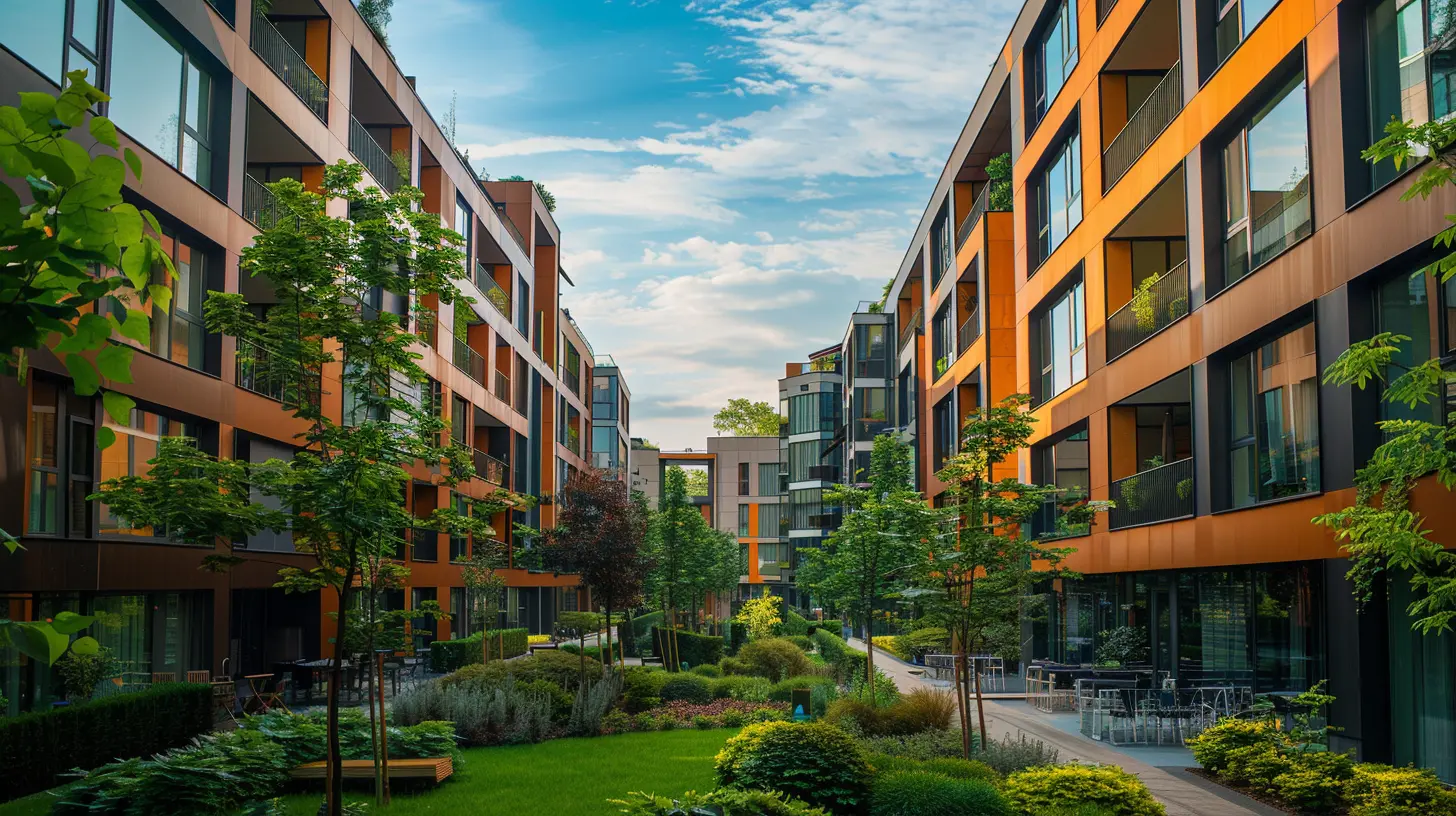
A mixed-use development (MUD) combines multiple functions—residential, commercial, cultural, and even industrial—within a single space or district. Picture a lively downtown hub where you can live in a modern apartment, grab coffee at a street-level café, work in an office just an elevator ride away, hit the gym in the same building, and shop at a nearby retail store—all without stepping foot in a car.Instead of isolating different aspects of daily life into separate zones, mixed-use developments integrate them seamlessly, creating efficient, vibrant, and walkable communities.
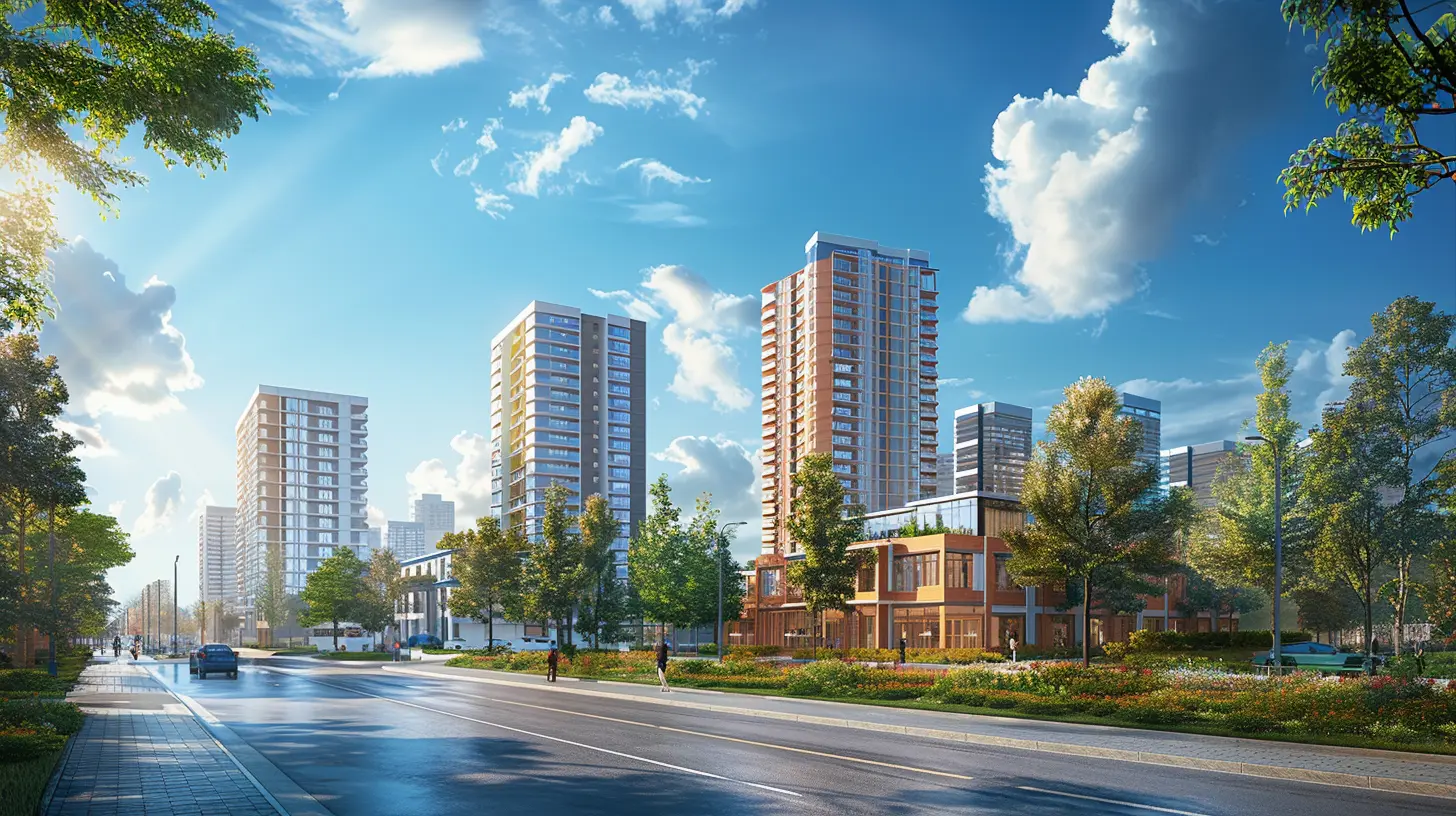
Why Cities Are Embracing Mixed-Use Developments
Urban areas are evolving, and the traditional "live in the suburbs, commute to the city" model isn’t cutting it anymore. Here are some major reasons why cities across the globe are shifting toward mixed-use developments:1. Convenience is King
Let’s be real—no one likes wasting time in traffic. The beauty of mixed-use spaces is that they bring everything you need closer to home, reducing commute times and making daily life more efficient. When work, shopping, and recreation are all within walking distance, you gain more time for what really matters—whether that's spending time with family, working on a passion project, or simply unwinding.2. Boosting Walkability and Reducing Car Dependence
Ever noticed how some of the most charming cities in the world—like New York, Paris, or Tokyo—are highly walkable? That’s no coincidence. Walkability enhances quality of life, cuts down on pollution, and promotes healthier lifestyles.Mixed-use developments prioritize pedestrian-friendly layouts with connected streets, bike lanes, and public transit access. This means less reliance on cars, leading to reduced traffic congestion and lower carbon footprints.
3. Creating Socially Engaging Communities
When people live, work, and socialize in the same area, it fosters a sense of community. Mixed-use developments naturally bring together diverse groups of people—young professionals, families, retirees, and entrepreneurs—and encourage social interaction.Unlike single-use zones that can feel deserted after business hours, mixed-use areas stay vibrant day and night. Whether it’s an impromptu chat with a neighbor, attending a community event, or supporting local businesses, these spaces spark human connection.
4. Economic Growth and Job Creation
From a financial standpoint, mixed-use developments make a lot of sense. They create a self-sustaining economy by keeping businesses thriving with a steady flow of foot traffic.Local cafes, boutiques, grocery stores, and offices benefit from round-the-clock activity, rather than relying on a 9-to-5 rush. This bolsters economic resilience and provides more job opportunities right where people live.
5. Sustainability at the Core
Sustainability isn't just a buzzword—it’s a necessity. Mixed-use developments embrace eco-friendly design by reducing urban sprawl, promoting energy-efficient buildings, and cutting down on wasteful transportation.Think about it: Fewer cars on the road = reduced greenhouse gas emissions. Also, these developments often incorporate green spaces, rooftop gardens, and energy-efficient infrastructure, making cities greener and more livable.
6. Revitalizing Underutilized Spaces
Many cities have vacant lots, abandoned shopping malls, and underdeveloped spaces just waiting to be revitalized. Instead of letting these areas sit idle, mixed-use developments breathe new life into them.By transforming old or neglected properties into thriving urban hubs, cities increase property value, attract investment, and enhance overall appeal.
Challenges of Mixed-Use Developments (And How to Overcome Them)
While mixed-use developments offer undeniable benefits, they’re not without challenges. Here are a few hurdles—and smart ways to tackle them:1. Higher Initial Costs
Developers often face higher upfront expenses due to complex zoning regulations, infrastructure demands, and construction costs.🔹 Solution: Cities can provide tax incentives, streamline approval processes, and encourage public-private partnerships to make these projects more financially viable.
2. Balancing Residential and Commercial Needs
A successful mixed-use development must balance diverse elements—too much retail, and it loses its residential appeal; too much housing, and businesses struggle to thrive.🔹 Solution: Smart urban planning ensures the right mix of housing, offices, shops, and public spaces, creating a harmonious, self-sufficient community.
3. Noise and Privacy Concerns
Living above a bustling retail street can be exciting but noisy. Some residents worry about privacy and disturbances.🔹 Solution: Well-designed layouts, soundproofing technology, and designated quiet zones can minimize disruptions while maintaining the lively atmosphere.
The Future of Urban Planning is Mixed-Use
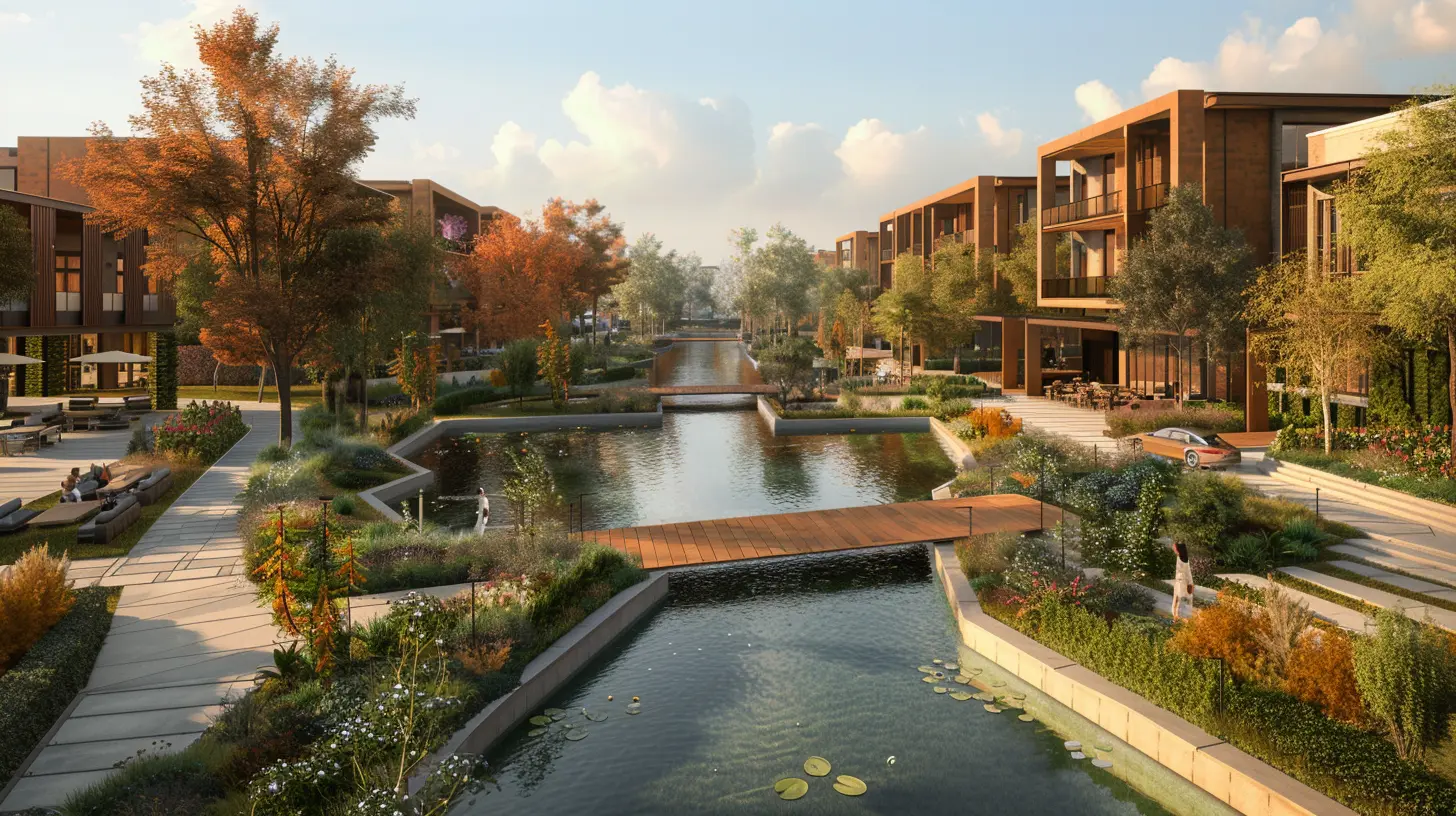
If cities want to thrive, they must embrace flexibility, connectivity, and sustainability. Mixed-use developments aren’t just a trend—they’re the blueprint for the future.By integrating live-work-play spaces, reducing environmental impact, and fostering economic growth, these developments are reshaping urban landscapes for the better.
So, the real question is: Are you ready to live in a world where everything you need is just a short walk away? Because that future is already here.
all images in this post were generated using AI tools
Category:
Real Estate TrendsAuthor:

Cynthia Wilkins
Discussion
rate this article
2 comments
Romina Duffy
Fascinating insights on mixed-use developments! The blend of residential, commercial, and recreational spaces seems like a promising solution for fostering community and sustainability in urban settings. I’m curious to see how these projects will reshape our cities and enhance our daily lives!
December 24, 2025 at 5:12 AM
Cynthia Wilkins
Thank you! I completely agree—mixed-use developments are pivotal for creating vibrant, sustainable communities that enhance urban living. Exciting times ahead!
Bradley Phillips
Ah yes, mixed-use developments—because who wouldn’t want to live above a coffee shop that brews artisanal lattes at 2 a.m.? Urban planning at its finest, folks! What could possibly go wrong?
December 13, 2025 at 3:48 AM
Cynthia Wilkins
Mixed-use developments aim to enhance urban living by offering convenience and community, though they do come with challenges like noise. It's all about finding the right balance!