The Impact of Interest Rates on Selling Your Home
18 February 2026
Selling a home is never a one-size-fits-all process. Market trends, buyer demand, and even the time of year can influence how quickly—and for how much—you can sell your property. But one factor that often gets overlooked is interest rates. These little numbers, set by the Federal Reserve, play a massive role in the real estate market.
If you're thinking about selling your home, you might be wondering: How do interest rates affect my chances of selling? Well, buckle up because we're about to break it all down! 
How Interest Rates Affect Home Buyers
Before we jump into the selling side, let's take a moment to understand how interest rates impact buyers. Higher interest rates mean higher mortgage payments, which can make homeownership less affordable. On the flip side, lower interest rates make loans more accessible, encouraging more people to buy homes.Imagine you're at a car dealership looking at two identical cars. One comes with a super low financing offer, while the other has sky-high interest rates. Which one are you more likely to choose? The same logic applies to home buyers.
Now, let’s bring this back to selling your home. If rates are high, fewer buyers can afford a mortgage, leading to lower demand for houses—including yours. If rates are low, more buyers are eager to jump in, and that’s great news if you're selling! 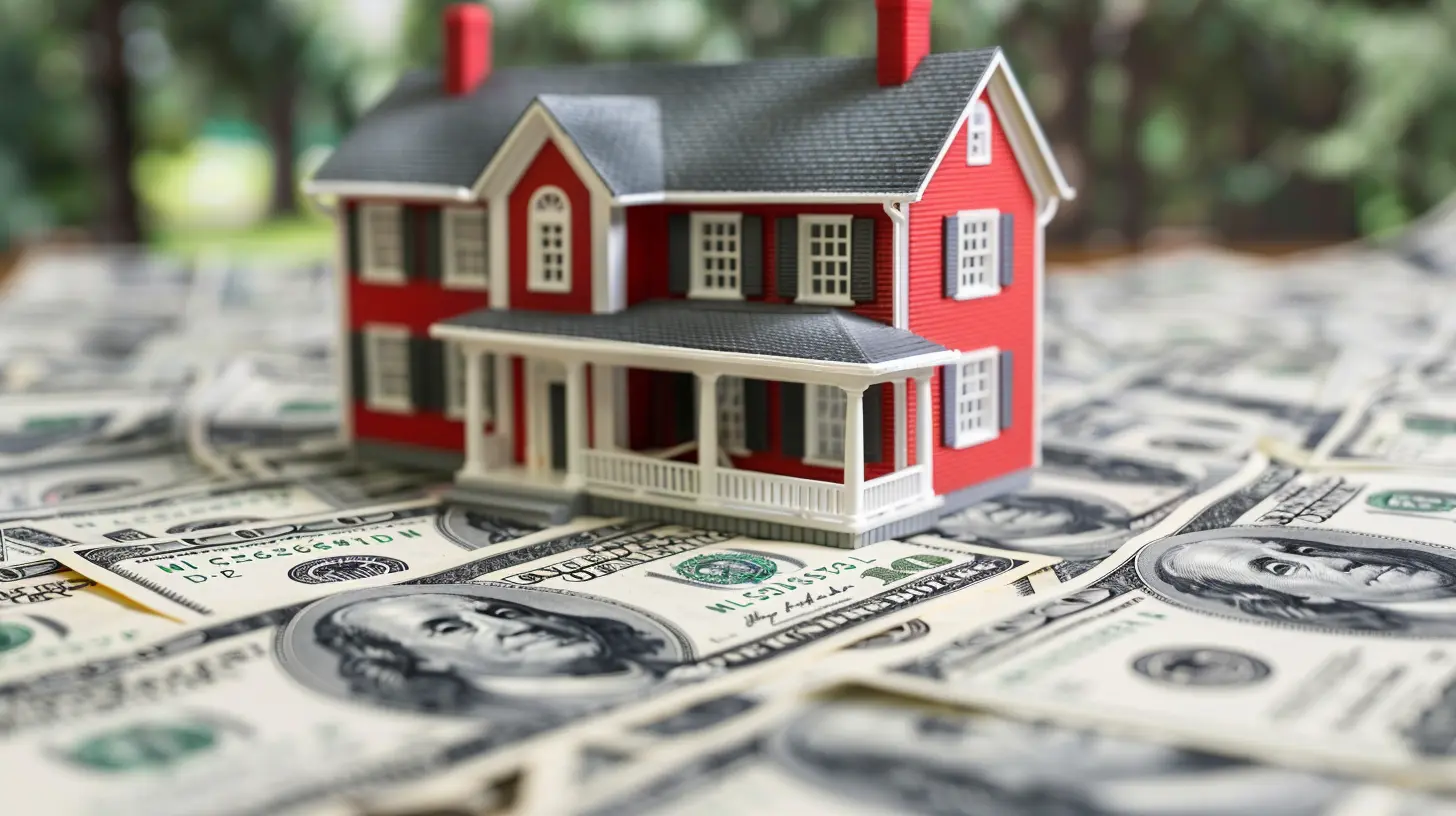
What Rising Interest Rates Mean for Sellers
Over the past few years, interest rates have been on a rollercoaster. So what happens when they start climbing?1. Fewer Qualified Buyers
When rates go up, mortgage payments increase. Suddenly, that dream home buyers were considering looks a lot less affordable. Some may get priced out, while others might decide to wait for a better deal. This translates to less competition for your home, meaning it could take longer to sell.2. Lower Home Prices
With fewer buyers in the market, demand drops. And guess what? Lower demand usually means falling home prices. If you're selling in a high-interest-rate environment, you might need to adjust your asking price to attract buyers.3. Longer Time on the Market
A slow market means more homes for sale and fewer buyers actively looking. If your home isn't priced competitively, it could sit on the market for months. And the longer a house sits? The harder it can be to sell, as buyers start to wonder if there’s something wrong with it.
What Falling Interest Rates Mean for Sellers
Now, what about when rates drop? This is when sellers can truly cash in.1. Increased Buyer Demand
Lower interest rates mean lower monthly mortgage payments, which encourages more buyers to enter the market. When more people want to buy, bidding wars can happen, driving up the price of homes.2. Stronger Offers
Low rates often bring out serious buyers who want to lock in a good mortgage deal. This means stronger offers, quicker decision-making, and less haggling.3. Faster Sales
With more buyers out there, homes sell much faster. If priced correctly, you might find yourself entertaining multiple offers within days.
How to Sell Smart in Any Interest Rate Environment
No matter what interest rates are doing, selling your home is possible—you just need the right strategy. Here’s how you can adapt to market conditions and still come out on top.1. Know Your Market
Before listing your home, take a deep dive into local real estate trends. Are homes selling quickly? Are prices dropping? Understanding your competition helps you set realistic expectations.2. Price It Right
If interest rates are high, overpricing your home is a recipe for disaster. Work with a real estate agent to set a competitive price that attracts buyers without leaving money on the table.3. Offer Buyer Incentives
In a high-rate market, buyers are looking for deals. Offering incentives, such as covering closing costs or providing a home warranty, can make your home stand out.4. Make Your Home Irresistible
A well-staged, move-in-ready home can attract buyers even when interest rates are high. Fresh paint, minor upgrades, and great curb appeal go a long way in convincing buyers your home is worth the investment.5. Time Your Sale Wisely
If possible, try to sell when interest rates are low. But if you can’t wait, just be prepared to negotiate smartly and highlight your home’s best features to attract the right buyers.Should You Sell Now or Wait for Lower Interest Rates?
This is the million-dollar question, and the answer depends on your circumstances.- If you need to relocate for work or a personal reason, waiting may not be an option. In that case, focus on pricing competitively and making your home as appealing as possible.
- If you have flexibility and see signs that interest rates might drop in the near future, holding off could help you attract more buyers and potentially sell for a higher price.
- Keep in mind that while waiting for lower interest rates can boost demand, no one can predict the market with 100% accuracy. Sometimes selling sooner rather than later is the best financial move.
Final Thoughts
Interest rates might not be the first thing you consider when selling your home, but they play a significant role in shaping the real estate market. Whether rates are high or low, understanding their impact can help you make smarter decisions when listing your property.At the end of the day, the best time to sell is when it makes the most sense for you. By staying informed, working with a knowledgeable real estate agent, and using smart selling strategies, you can successfully navigate any market condition—interest rates included!
all images in this post were generated using AI tools
Category:
Home Selling TipsAuthor:

Cynthia Wilkins
Discussion
rate this article
2 comments
Layla Adams
Interest rates significantly influence the housing market by affecting buyer affordability and demand. As rates rise, potential buyers may be deterred, leading to slower sales and potentially lower home prices. Sellers must adapt strategies to navigate this volatile environment, ensuring competitive positioning in the market.
March 14, 2026 at 11:35 AM
Cynthia Wilkins
Thank you for your insightful comment! You're absolutely right—rising interest rates can pressure both buyers and sellers in the housing market, making strategic adaptations essential for success.
Thornewood Bailey
Navigating the real estate market can be challenging with fluctuating interest rates, but remember: every market presents opportunities. Stay informed, adjust your strategy, and embrace the journey. Your home sale can be a stepping stone to your next great adventure!
February 18, 2026 at 4:50 AM
Cynthia Wilkins
Thank you for your insightful comment! You're absolutely right—adapting to market changes can unveil new opportunities. Staying informed is key!