The Intersection of Real Estate and Fintech: Data's Influence
3 August 2026
Alright, let’s talk about something you may not hear about every day—how real estate and fintech are teaming up and how data is playing a starring role in the whole show. It sounds like buzzwords thrown into a blender, right? But trust me, the connection is very real, and it’s reshaping the way you buy, sell, finance, and invest in property.
Whether you’re a seasoned investor, a curious homebuyer, or just someone trying to understand today’s market, this article’s got the inside scoop. And the cool part? You don’t need a MBA or tech degree to get it. We’re breaking it down in plain English—with a bit of flair.
A New Era: Real Estate Meets Fintech
Let’s get one thing straight—the real estate world was overdue for a shake-up. For decades, the industry was built on paperwork, handshakes, and an ocean full of gatekeepers. Fast forward to today, and fintech (financial technology) is adding some much-needed fuel to the fire.Fintech is bringing speed, precision, and transparency to an industry that hasn't always been known for those things. But how is it making that happen? Data. Massive amounts of it. We’re talking everything from home value trends and buyer behavior to mortgage approval rates and risk profiles.
And when data meets powerful algorithms and user-friendly apps? That’s when magic happens.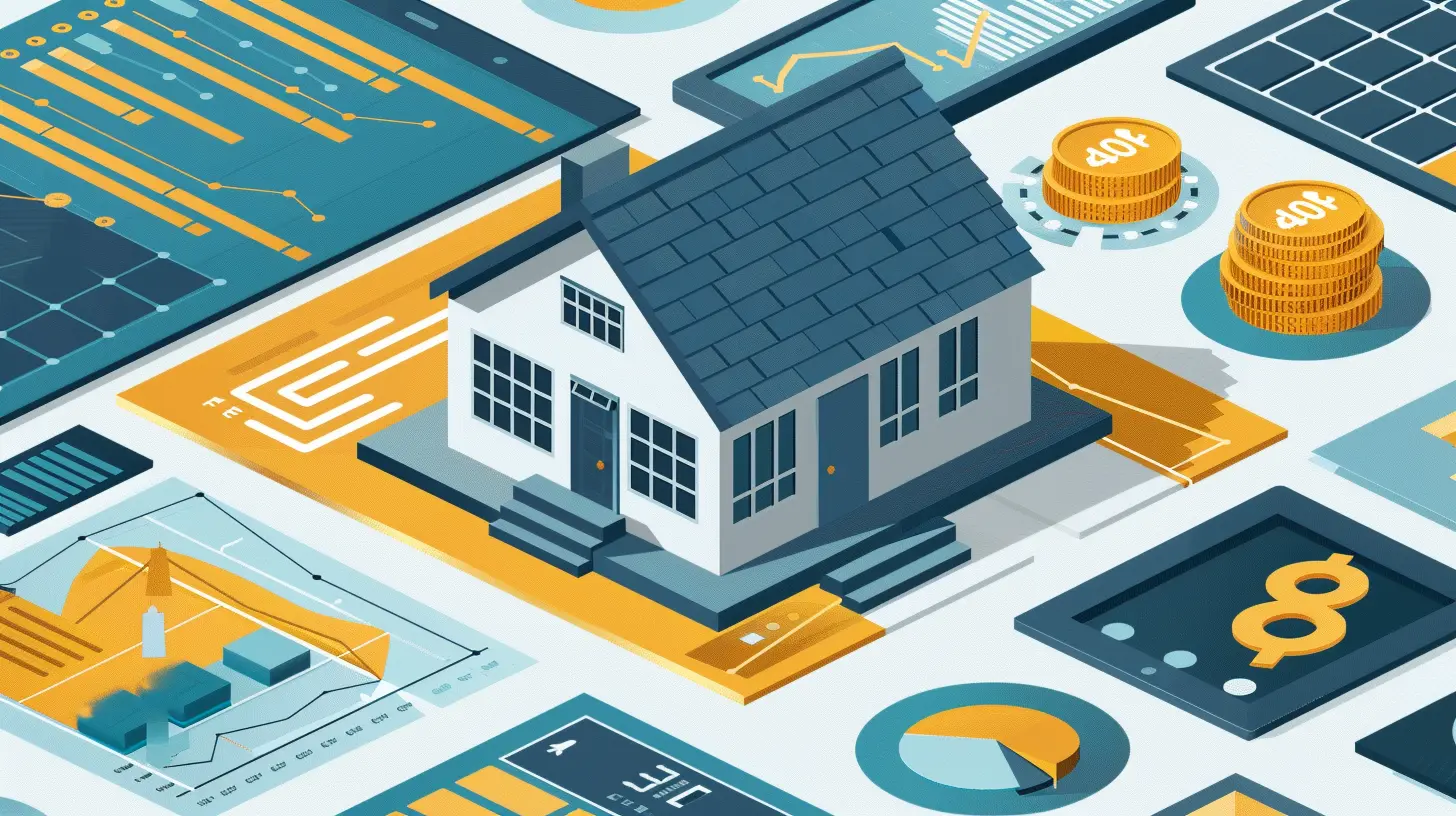
What Exactly Is Fintech in Real Estate?
Before we dive deep into data’s role, let’s quickly define what we’re dealing with here. Fintech in real estate isn’t just about digital payments or online mortgage calculators. Nope. It includes:- Property tech platforms (like Zillow, Redfin, Opendoor)
- Crowdfunding real estate investment apps
- AI-powered mortgage lending tools
- Blockchain-based smart contracts
- Virtual real estate tours and AR simulations
- Rent payment systems and digital lease agreements
In short, fintech is simplifying and streamlining the entire property life cycle. But what gives these tools their power? You guessed it—data.
The Game-Changer: Why Data Holds All the Cards
You’ve probably heard the saying, “Data is the new oil.” Well, in real estate, it’s more like the new GPS. It tells investors where to go, highlights risky terrain, and reveals hidden opportunities.Here’s how data is turning the tables in real estate:
1. Smarter Property Valuation
Gone are the days of relying purely on appraisers or outdated comps. With machine learning models crunching historical pricing, neighborhood trends, and even local school ratings, fintech apps can now spit out accurate, real-time valuations.This is a big win for:
- Buyers who don’t want to overpay
- Sellers looking to price competitively
- Agents who need to justify pricing to skeptical clients
2. Enhanced Risk Assessment
Lenders are using AI to analyze borrowers in ways traditional credit scores never could. Fintech platforms dig deep—looking at employment history, bank account behaviors, even how quickly someone pays their Netflix bill.This extra layer of data helps lenders:
- Reduce default rates
- Offer better terms to low-risk borrowers
- Improve financial inclusion for folks with thin credit files
3. Predictive Market Analytics
Imagine predicting housing trends like a weather forecast. That’s what companies are doing now. By analyzing macroeconomic indicators, consumer sentiment, and transaction histories, fintech tools can forecast price shifts or demand surges.This helps:
- Investors make smarter moves
- Developers plan the right kind of projects
- Agents position properties more effectively
4. Streamlined Transactions
You know how traditional real estate deals feel like running a marathon... blindfolded... while juggling? Data-driven fintech solutions are cutting that down to a sprint.With blockchain, for example, smart contracts can trigger automatically once certain conditions are met. This reduces the need for middlemen, lowers costs, and helps close deals faster.
Real-Life Examples of Fintech Transforming Real Estate
Let’s make it real. Here are a few ways this intersection is already changing the game:Opendoor and Data-Driven House Flipping
Opendoor uses algorithms to make instant offers on homes. They analyze local market data, home conditions, and price trends to decide within minutes what they’ll pay. No showings, no waiting—just data at work.Fundrise and Democratized Real Estate Investing
Crowdfunding platforms like Fundrise take piles of data to assess large-scale real estate projects. And instead of waiting for a millionaire’s club to invest, they open the gates for regular people. With just $10, you can become a property investor. Wild, right?Zillow’s Zestimate Engine
Okay, so it’s not always perfect, but that little Zestimate tool is powered by machine learning and historical data. It makes pricing information more accessible for everyone. No PhD in finance needed.The Benefits of Data-Fueled Real Estate
So what’s in it for you? Whether you’re a buyer, seller, agent, or investor, this data revolution comes with serious perks.Speed and Convenience
No one likes waiting weeks for mortgage approvals or sifting through dated listings. Fintech speeds things up by automating everything possible—from loan approvals to digital closings.Transparency and Trust
With data driving decisions, there’s less room for shady dealings or hidden fees. Buyers can see home histories, lenders can clearly outline terms, and investors can monitor project performance in real-time.Lower Costs
Automation means fewer people in the middle. That lowers transaction fees, brokerage costs, and sometimes even interest rates. Data even helps identify the best time to buy or sell, potentially saving thousands.Challenges of Mixing Real Estate, Fintech, and Data
Of course, it’s not all sunshine and rainbows. There are a few bumps in the road we’ve got to talk about.Privacy Concerns
With all this juicy data flying around, people are rightfully asking: who owns it? Is it safe? Can it be misused? Fintech firms need to get serious about cybersecurity and transparent data policies.Algorithmic Bias
AI is only as good as the data it learns from. If the data has biases (like favoring certain zip codes), the system can unintentionally discriminate. That’s a huge red flag, especially in housing, where fairness is crucial.Regulation Struggles
Real estate laws weren’t built for digital contracts or cryptocurrency transactions. Policymakers are racing to keep up, but there’s still a lot of gray area. Until there's more clarity, expect some friction.The Future: Where Are We Headed?
Truth? We’re just scratching the surface.AI That Literally Knows What You Want
Think of a chatbot that not only answers your home-buying questions but also recommends properties based on your lifestyle, income, and even Instagram posts. Creepy? Maybe. Helpful? Absolutely.Tokenization of Real Estate
Imagine owning 0.2% of a luxury condo in Manhattan by holding a digital token. That’s tokenization—breaking down property ownership into bite-sized, tradable chunks.Hyper-Personalized Mortgage Offers
Thanks to fintech-driven insights, lenders will soon tailor mortgage offers like Netflix recommends shows. You're not just a credit score. You're a thousand data points wrapped into one dynamic profile.Final Thoughts
The intersection of real estate and fintech, with data as the engine, is one of the most exciting shifts we’ve seen in a long time.It’s modernizing the industry, making it more accessible, faster, and smarter. But like any powerful tool, data comes with responsibilities. As we jump into this brave new world, we’ve got to balance innovation with privacy, speed with ethics, and automation with the human touch.
So next time you browse a listing, sign a lease online, or invest in real estate through an app—you’ll know: that’s data doing the heavy lifting. And we’re only getting started.
all images in this post were generated using AI tools
Category:
Real Estate AnalyticsAuthor:

Cynthia Wilkins